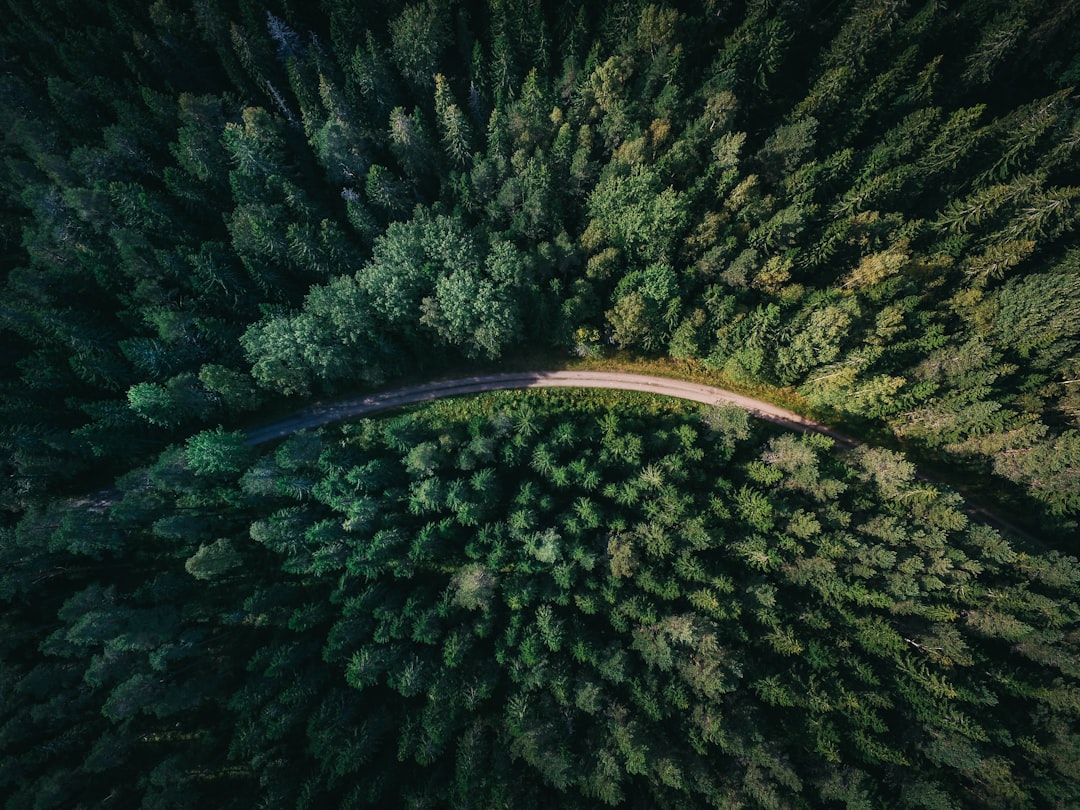
Maria Elena Sánchez stands in what used to be rainforest. Now it's a patchwork of coffee plants, shade trees, and native species growing together in a way that shouldn't work but somehow does. Her farm in Colombia's coffee triangle produces some of the country's finest beans while actually regenerating the ecosystem around it. Yet she remains an exception rather than the rule. For every farm like hers, thousands more operate under the assumption that you must destroy the forest to profit from it.
The Coffee Crisis Nobody Wants to Talk About
Coffee is the world's second-most traded commodity after oil. We consume roughly 2 billion cups daily. That astronomical demand has transformed roughly 70 million hectares of tropical forest into coffee plantations since the 1960s. To put that in perspective: that's an area larger than Spain, cleared primarily to grow something we drink in five minutes before throwing away the cup.
The numbers are staggering. Coffee production accounts for approximately 6% of global deforestation. In Ethiopia—where coffee originated and where 15 million people depend on it for income—the industry has contributed to the loss of 65% of the country's remaining forest cover in just four decades. Vietnam, which produces nearly 20% of the world's coffee, has cleared vast tracts of Central Highlands forest to become a coffee powerhouse.
But here's the twist: most consumers buying coffee at their local café have no idea this is happening. The industry has become remarkably good at obscuring its environmental footprint. Certifications like Fair Trade and Rainforest Alliance slap reassuring labels on bags, yet studies show these certifications haven't meaningfully slowed deforestation in major coffee-producing regions. Some research suggests they've actually delayed real change by making consumers feel they've solved the problem without addressing the core issue.
Why Traditional Coffee Farming Destroys Forests So Completely
The conventional coffee farming model is deceptively simple: clear everything, plant coffee in rows, spray pesticides, repeat. It maximizes short-term yields. A typical sun-grown coffee plantation produces roughly 6,000 kilograms of beans per hectare compared to 2,000 kilograms from shade-grown systems. When farmers are living paycheck to paycheck, that difference between going hungry and feeding their families feels like a non-negotiable choice.
Moreover, the economics are rigged against conservation. Coffee prices fluctuate wildly on global commodity markets, often dropping below production costs. When this happens—which occurs roughly every seven years—farmers need maximum output just to survive. They can't afford the three to five-year transition period required to convert to shade-grown or regenerative systems. Banks won't finance it. Cooperatives lack the resources. And the big roasters? They prioritize price over anything else.
The ecological consequences extend far beyond trees. Monoculture coffee plantations require heavy pesticide use, which contaminates water supplies for downstream communities. Soil erosion skyrockets when shade trees are removed. Biodiversity collapses. Coffee forests that once harbored 200 species of birds might support 15 after conversion to conventional plantations.
The Unexpected Solution Growing in the Shadows
Here's where it gets interesting: shade-grown coffee might actually be more profitable long-term, but the system is structured to reward short-term thinking. Some forward-thinking farmers and organizations are challenging this assumption with concrete results.
In Mexico's Oaxaca region, coffee farmers working with organizations like Café Practices have increased yields while regenerating forest by planting coffee under native tree species. The shade trees provide multiple benefits: nitrogen fixation that reduces fertilizer needs, erosion control, microclimate regulation, and eventual timber revenue. Farmers report 40% lower input costs after five years because they're using fewer pesticides and less chemical fertilizer. The soil becomes healthier, more resilient to drought. Some even earn extra income from honey produced by bees thriving in the shade canopy.
The catch? Getting there requires upfront investment and patience. This is where policy actually matters. Brazil's Caatinga region recently implemented a program offering loans and technical support to farmers willing to transition. The results have been measurable: over 50,000 hectares are moving toward regenerative practices, with productivity matching or exceeding conventional methods within four to six years.
If you want to understand how environmental solutions and economic incentives can align perfectly, the coffee industry offers both a cautionary tale and a blueprint.
What Actually Changes Market Behavior
Consumer preference matters, but it's not magic. Buying shade-grown or certified coffee helps if those certifications actually enforce their standards—which not all do. The real leverage points are elsewhere: farmer cooperatives with direct market access, specialty roasters willing to pay 15-20% premiums for genuinely sustainable beans, and financial mechanisms that don't punish farmers for choosing slower, more sustainable growth.
Ethiopia is attempting something radical: protecting remaining coffee forests as national heritage while supporting farmers to upgrade equipment and quality rather than expand acreage. Colombia is experimenting with payment-for-ecosystem-services programs. Neither approach is perfect or complete, but both show that different models are possible.
The relationship between environmental protection and economic stability isn't zero-sum in coffee, even though it's marketed that way. The farms producing the best-tasting coffee—the kind that wins competitions and commands premium prices—are increasingly shade-grown and biodiverse. The market is slowly recognizing that regenerative practices and exceptional flavor aren't opposites.
Still, this transition won't happen at scale without structural changes. Fair pricing. Access to credit for transitions. Investment in processing infrastructure in origin countries so more value stays with farmers. These require action beyond individual consumer choices, though those choices certainly help signal demand.
The next time you hold a coffee cup, you're holding proof that environmental destruction and economic necessity feel like trade-offs only when we accept the current system as inevitable. Maria Elena Sánchez's farm proves they're not. The question is whether her approach becomes the norm or remains a boutique exception while the rest of the industry continues clearing forest at staggering rates.
For more on how industrial practices are reshaping ecosystems, read about ghost forests drowning America's coasts—another example of how economic systems can transform environments with barely a whisper of public awareness.
Comments (0)
No comments yet. Be the first to share your thoughts!
Sign in to join the conversation.