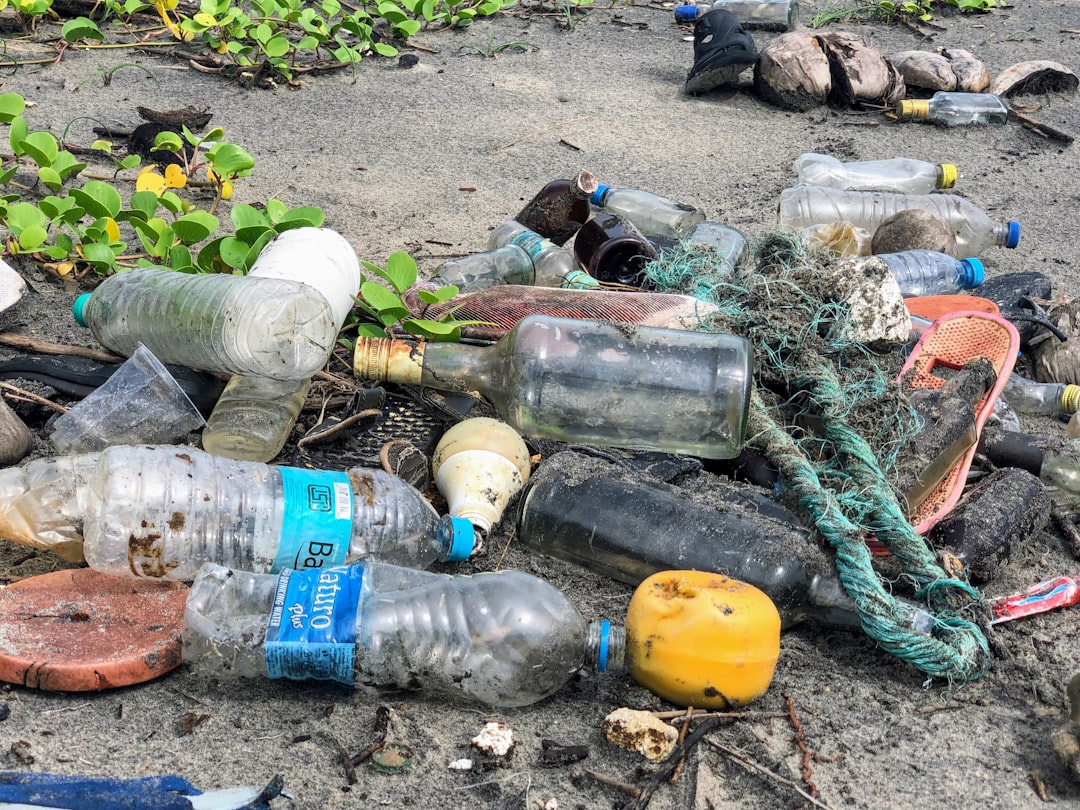
Photo by John Cameron on Unsplash
That perfect espresso hit on Tuesday morning? It cost more than the $6 you paid. Somewhere in the cloud forests of Colombia or Ethiopia, a hectare of biodiverse rainforest was cleared to make room for that single cup. The numbers are staggering: coffee production is responsible for approximately 37% of tropical deforestation in certain regions, making it one of agriculture's most environmentally destructive commodities. Yet most of us never see the connection between our caffeine addiction and environmental catastrophe.
The coffee industry operates like a hidden environmental disaster that nobody talks about at brunch. We obsess over the origin story—the single-origin Ethiopian Yirgacheffe from that cool roastery downtown sounds artisanal and conscious. But behind those romantic marketing narratives lies a complex web of ecological destruction, water crisis, and economic desperation that most coffee lovers willfully ignore.
The Hidden Cost of Your Morning Ritual
Coffee requires serious water. We're talking about roughly 140 liters of water per single cup when you account for the entire production cycle. That sounds abstract until you realize that coffee-growing regions like Vietnam, Indonesia, and Central America are increasingly facing water scarcity. In some areas, coffee farming has literally dried up groundwater sources that indigenous communities depended on for generations.
But deforestation is the real killer. The coffee industry has transformed millions of acres of biodiverse forest into industrial monocultures. In Brazil alone, coffee plantations have displaced vast stretches of Atlantic Forest—a biodiversity hotspot that rivals the Amazon in species richness. When you clear ancient forest and replace it with endless rows of coffee bushes, you're not just removing trees. You're eliminating habitat for jaguars, howler monkeys, poison dart frogs, and countless species we'll never even catalog before they vanish.
Then there's soil degradation. Industrial coffee farming depletes soil nutrients rapidly, creating a cycle where farmers need more chemical fertilizers and pesticides each year. These chemicals leach into water supplies, poisoning ecosystems downstream and creating dead zones in waterways. The Tarcoles River in Costa Rica, which flows through major coffee-growing regions, has become so contaminated that swimming in it is hazardous.
The Shade-Grown Revolution Nobody's Heard Of
Here's where it gets interesting. There's actually a proven alternative that most people have never heard of: shade-grown coffee. Instead of clearing forests and planting coffee in direct sunlight (which requires more water and chemicals), shade-grown coffee is cultivated under native tree canopy. This method is radically different from industrial monoculture.
Shade-grown coffee farms function almost like forests. They maintain biodiversity, preserve soil health, require fewer chemical inputs, and use significantly less water. Research from the Smithsonian Migratory Bird Center found that shade-grown coffee plantations support nearly as much bird species as natural forests—sometimes hosting 200+ bird species on a single farm. Compare that to sun-grown industrial coffee, which might support 20 bird species or fewer.
The problem? Shade-grown coffee is harder to produce at massive scale. It requires more labor, more patience, and a willingness to work with nature instead of against it. Major coffee corporations have largely abandoned this approach because it cuts into profit margins. Industrial efficiency beats ecological wisdom almost every time in the global supply chain.
The Worker Dimension Nobody Discusses
Environmental destruction in coffee farming is inseparable from human exploitation. The people who grow your coffee typically earn less than $2 per day. Many are children. Many work without safety equipment around toxic pesticides. The companies making massive profits from coffee—your beloved specialty roasters, the major chains, the instant coffee brands sitting in grocery stores—rarely pass meaningful compensation down to the farmers actually doing the work.
This creates a vicious cycle. Farmers can't afford sustainable practices. They can't invest in shade-growing systems or soil conservation. They're trapped in a race-to-the-bottom competition where the only way to survive is to produce more volume at lower cost, which means destroying more forest and using more chemicals.
What Actually Changes Anything
Buying fair-trade coffee helps, but it's not a complete solution. Fair-trade certification ensures better prices for farmers, but many fair-trade operations still use industrial farming methods. The certification market itself has become commodified and often greenwashed.
What actually matters: buying coffee that's specifically labeled as shade-grown or using terms like "bird-friendly" (a Smithsonian certification). These coffees cost more—sometimes $15-20 per pound instead of $8. But that premium actually funds sustainable farming practices and fair wages.
Supporting smaller roasters who can tell you exactly where their beans come from and how they're grown makes a real difference. Roasters like Counter Culture, Intelligentsia, and regional specialty roasters often have direct relationships with farmers and can verify farming practices.
You could also reduce your consumption. One fewer coffee per week, replaced with tea or hot water, cuts your coffee footprint by 14% annually. That's not revolutionary, but it's honest.
The Uncomfortable Truth
None of this is news to major coffee corporations. They have extensive environmental reports. They make public commitments to sustainability. And yet deforestation continues. Coffee production keeps expanding into sensitive ecosystems. Shade-grown coffee remains a niche product.
This isn't about consumer awareness—plenty of consumers now know the problems. It's about whether the global coffee industry will voluntarily reduce profits to protect forests and communities. Spoiler alert: it won't, without serious pressure and real consequences.
The truth is uncomfortable because most of us love coffee. We love the ritual, the taste, the energy boost. We don't want to believe our pleasure is funded by ecological destruction. But willful ignorance is easier than behavioral change, and it's cheaper.
If you care about this issue, start with shade-grown coffee. Then push further—ask your favorite coffee shops where their beans come from and how they're grown. Most can't answer these questions. That's the problem. The system works because consumers don't demand transparency, and corporations don't volunteer it.
Your morning coffee is connected to deforestation, water crisis, and worker exploitation. That connection doesn't disappear because we ignore it. It just keeps intensifying, one cup at a time.
Want more insight into how major corporations manipulate consumer perception? Check out The Shrinking Cereal Box Scandal: How Brands Are Quietly Stealing From Your Breakfast to see another example of how corporations profit while consumers lose.
Comments (0)
No comments yet. Be the first to share your thoughts!
Sign in to join the conversation.