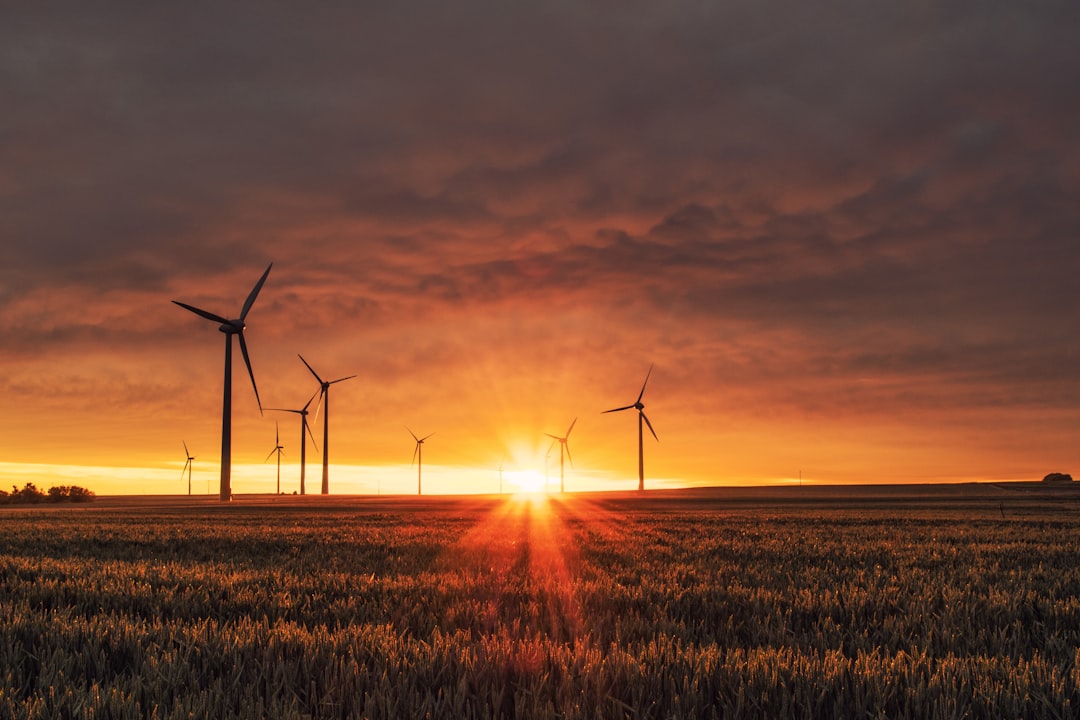
Photo by Karsten Würth on Unsplash
My grandmother kept a garden that produced vegetables year-round. Not because she was a gardening genius, but because she understood something modern agriculture forgot: soil isn't just dirt. It's alive. It's the foundation of everything we eat, and it's quietly becoming our best tool for fighting climate change.
Yet we're treating it like garbage. Literally. Every year, we lose 24 billion tons of fertile topsoil to erosion, compaction, and chemical degradation. That's an area roughly the size of the United States stripped of its most productive layer. When you understand what's actually happening beneath our feet, it becomes impossible to ignore.
The Carbon Bank Nobody's Paying Attention To
Here's what blew my mind when I started researching this: soil contains more carbon than the entire atmosphere and all plants combined. We're talking about 1,500 gigatons of carbon stored in the top meter of earth across the planet. That's not a metaphor—that's literal climate regulation happening silently in gardens, farms, and forests everywhere.
When soil degrades, all that carbon escapes into the atmosphere. A single hectare of degraded agricultural land can release the equivalent of 50 years of carbon sequestration back into the air. The Intergovernmental Panel on Climate Change estimates that soil degradation contributes to roughly 25% of all human-caused greenhouse gas emissions.
But here's where it gets interesting: the reverse is also true. Regenerate soil, and you're essentially running a carbon capture system that doesn't require expensive technology or government subsidies. You just need to treat the earth like the living system it actually is.
Industrial Agriculture Created This Monster
The trouble started in earnest after World War II. Nitrogen-based fertilizers developed for military purposes got repurposed for farming. They promised to boost yields dramatically, and they did. For a while. But they also killed the very thing that makes soil work: the biological community living in it.
A single teaspoon of healthy soil contains more microorganisms than there are humans on Earth. Bacteria, fungi, protozoa, nematodes—they're all working together in an ecosystem that's been perfected over millions of years. Chemical farming systematized the destruction of this ecosystem. Pesticides kill beneficial insects. Herbicides eliminate plants that feed soil organisms. Heavy machinery compacts the earth, crushing the fungi networks that hold everything together.
The result? Farms that produce incredible short-term yields but require increasing amounts of chemical input each year just to stay viable. It's agricultural heroin—a quick high followed by deeper dependency.
The Regeneration Revolution Nobody's Heard About
But something's shifting. Not fast enough, obviously, but shifting nonetheless. Regenerative agriculture—a philosophy that treats soil as a living system to be restored rather than exploited—is moving from fringe hippie farms into mainstream agriculture.
Take cover cropping. Farmers plant nitrogen-fixing plants between cash crop seasons. These crops don't get harvested; they get plowed back into the soil. The result? Increased organic matter, restored microbial communities, and reduced need for synthetic fertilizers. Farms using cover crops report 10-15% yield increases within 3-5 years, despite reducing chemical inputs.
Or consider what's happening with compost and biochar. A farm in California's Central Valley started adding compost to degraded soil in 2008. By 2018, soil organic matter had increased by 58%, water infiltration had improved by 300%, and they needed half the irrigation water despite producing higher yields. That's not an anomaly—it's repeatable across multiple farms and climates.
Some of the world's largest agricultural companies have started experimenting with regenerative practices. General Mills, Danone, and Nestlé have committed to sourcing from regeneratively managed farms. Patagonia—yes, the clothing company—has spent millions studying soil carbon sequestration because they understand that climate change is bad for everyone's business.
What This Means For You
You don't need to own farmland to participate in this shift. Start composting. It's the easiest way to support soil biology at home. When you compost food scraps and yard waste, you're essentially rebuilding the microbial community that industrial agriculture destroyed.
Buy from farmers markets where you can actually ask farmers about their practices. Support those using cover crops, reducing tillage, or adding compost. These choices matter because every time someone purchases food grown regeneratively, it sends a market signal. Demand drives change, and change drives more farms to switch.
If you garden, skip the chemical fertilizers. Use compost. Let leaves stay on the ground in fall—they're feeding the soil organisms. Avoid tilling whenever possible. These simple changes transform backyard soil from a chemical-dependent monoculture into a living system.
Even urban folks can help. Support ballot measures for soil carbon programs. Advocate for agricultural policies that incentivize regeneration over extraction. Follow the regenerative agriculture movement—organizations like the Regenerative Organic Alliance and the Land to Market Verified program are making it easier to identify truly regenerative products.
The Clock Is Ticking, But Hope Isn't Lost
At current degradation rates, we have about 60 years of harvests left before many agricultural soils become too degraded to support crops. That sounds catastrophic, and it would be—if we didn't have a solution sitting right beneath our feet.
Soil restoration happens faster than most climate solutions. A degraded field can become productive again in 3-5 years with proper management. This isn't speculative technology or distant possibility—it's happening now, on thousands of farms worldwide.
The hard part isn't figuring out how to regenerate soil. We've got that down. The hard part is shifting the economic incentives that have made industrial agriculture so dominant. But that shift is accelerating, and every person who starts thinking about soil as a resource to restore rather than exploit contributes to that momentum.
My grandmother didn't think of herself as a climate activist. She was just growing food in soil that had been cared for for generations. Maybe it's time we all learned to think like her again.
For more on how our ecosystems are responding to environmental stress, check out The Ghost Forests of North Carolina: How Rising Seas Are Erasing 8,000 Years of Trees—a stark reminder that time is running out to act on environmental degradation.
Comments (0)
No comments yet. Be the first to share your thoughts!
Sign in to join the conversation.