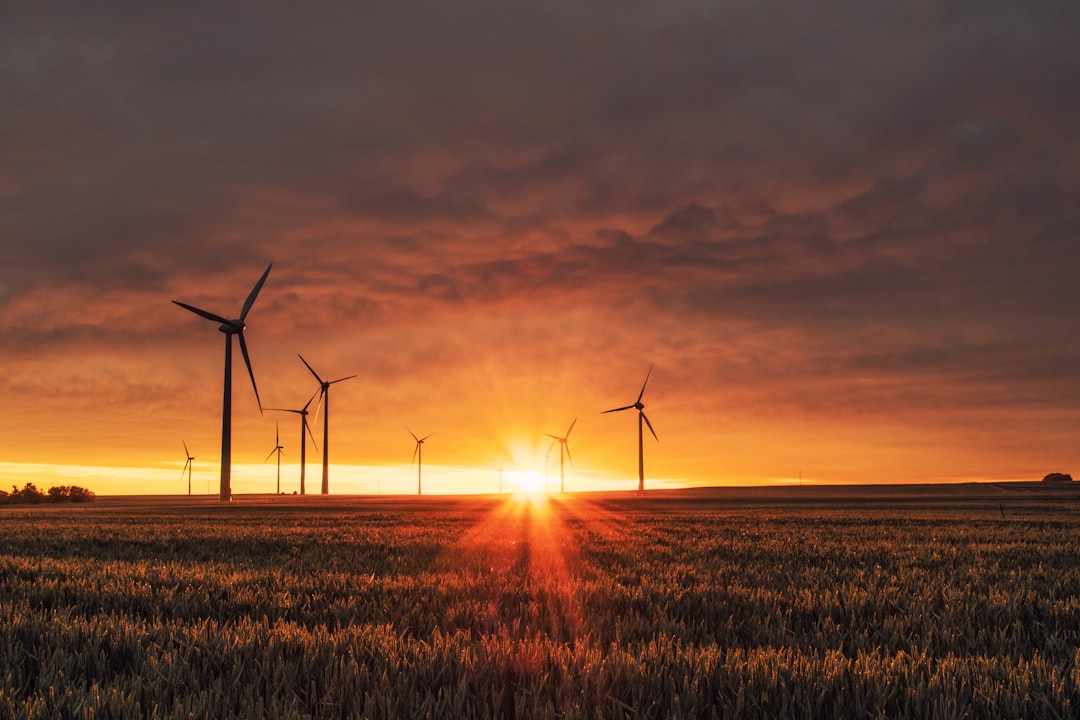
Photo by Karsten Würth on Unsplash
Stand in your backyard. Look down. The soil beneath your feet is alive—or at least, it should be. But if you're like most people in developed nations, the earth you're standing on has been stripped of its vitality. It's compacted. It's depleted. It's essentially dead.
This isn't poetic exaggeration. Soil degradation is one of the most overlooked environmental crises of our time. We obsess over melting ice caps and burning forests—rightfully so—but we ignore the slow death happening in farmlands, parks, and neighborhoods across the globe. And unlike a distant glacier, this crisis is happening right where we live.
The Silent Crisis Beneath Our Feet
Here's a staggering fact: we're losing soil thirty times faster than it naturally forms. The UN estimates that at the current rate, the world has only 60 harvests left before agricultural soils become too degraded to grow food. Sixty harvests. That's roughly two generations.
What does dead soil look like? It's compact and hard. It doesn't crumble in your hands. It lacks the rich, dark color of healthy earth. Most importantly, it lacks life—the billions of microorganisms, fungi, and invertebrates that make soil actually function. A single handful of healthy soil contains more living organisms than there are people on Earth. Industrial agriculture has systematically destroyed this microscopic world through monoculture farming, heavy tilling, synthetic pesticides, and fertilizers.
The consequences ripple outward. Dead soil can't retain water, so crops need constant irrigation. It can't hold nutrients, so farmers apply more chemicals. These chemicals run off into waterways, creating dead zones in rivers and coastal areas. The soil itself erodes away with every heavy rain, degrading further. Crops grown in depleted soil have lower nutritional value. And because all this dead soil contains far less carbon than it should, we're missing a critical carbon sink—one that could help fight climate change.
It's a vicious cycle. But here's the good news: soil can recover. And it can recover faster than you'd think.
What Killed Our Soil in the First Place
The problem really took off after World War II. Suddenly, we had synthetic fertilizers developed from munitions factories. We had powerful tractors and industrial farming equipment. We had a capitalist system that rewarded short-term yields over long-term health. The result? Agriculture became a resource-extraction operation rather than a regenerative practice.
Farmers started tilling heavily to prepare fields—churning up the soil and exposing all that organic matter to oxidation. They planted the same crop year after year, exhausting specific nutrients and creating ideal conditions for pests. So they applied pesticides, which killed the beneficial microorganisms along with the harmful ones. Then they added synthetic nitrogen fertilizers to compensate for the depleted soil.
This approach worked—temporarily. Yields exploded in the mid-20th century. But the soil paid the price. In the U.S. alone, we've lost about one-third of our topsoil since industrial agriculture began. Some estimates suggest we've lost even more globally.
The problem extends beyond farms. Urban soils are compacted by construction and foot traffic. Lawns are treated with chemicals that kill soil life. Bare earth is left exposed to erosion. Even your garden soil can degrade if you're not paying attention to its biology.
Regenerating Soil: What Actually Works
The exciting part is that regenerating soil isn't complicated or expensive. It just requires a shift in thinking—from viewing soil as an inert growing medium to understanding it as a living ecosystem.
Start with compost. This is the single most important thing you can do for degraded soil. Whether you're managing a farm or a backyard garden, adding compost reintroduces organic matter and feeds the microbial community. You don't need to buy it. Kitchen scraps, leaves, grass clippings—these are all compost waiting to happen. Layer them, let them decompose, and you've got black gold for your soil.
Stop tilling. This is radical for conventional farmers, but no-till agriculture is gaining momentum. When you leave soil undisturbed, fungal networks stay intact. Microbes stay in their established communities. Plant roots can penetrate deeper. Cover crops are essential here—growing nitrogen-fixing plants like clover or legumes during off-seasons rebuilds soil fertility without synthetic inputs.
Diversify plantings. Monoculture is a disaster for soil health. Polycultures—where multiple plants grow together—create more resilient soil ecosystems. If you're a home gardener, plant a variety of vegetables and companion plants. If you're involved in agriculture, consider intercropping or crop rotation.
Minimize chemicals. Pesticides, fungicides, and synthetic fertilizers all disrupt soil biology. Organic approaches take longer initially but build genuine fertility. Integrated pest management—using beneficial insects and careful timing instead of broad-spectrum poisons—works better long-term.
Add mulch. This protective layer keeps soil moist, prevents erosion, and as it breaks down, feeds soil organisms. Leave fallen leaves on garden beds. Use straw or wood chips. Even this simple act starts the regeneration process.
The Bigger Picture: Why This Matters Beyond Your Garden
Soil regeneration isn't just about growing better vegetables, though that's a nice benefit. Healthy soils are crucial for climate stability. Soil contains nearly twice as much carbon as the atmosphere and all plants combined. When we degrade soil, that carbon escapes as greenhouse gas. When we regenerate soil, we're actively pulling carbon from the atmosphere and storing it underground.
Regenerated soils also prevent erosion, filter water, support biodiversity, and produce more nutritious food. Some estimates suggest that regenerating global agricultural soils to their historical carbon levels could offset humanity's entire carbon footprint for several years.
There's also an interesting economic angle. Regenerative agriculture costs less over time than industrial methods, once you account for the hidden costs of chemical purchases, soil loss, and water pollution. Farmers practicing soil regeneration often see increased yields within a few years.
If you want to understand another way our soils are being threatened, check out The Microplastic Invasion: Billions of Tiny Particles Are Now Inside Your Body, which explores how synthetic pollution affects our entire environment.
Your Role in Soil Regeneration
You don't need to be a farmer to participate in this. Start where you are. If you have a yard, implement soil-building practices. If you have a balcony, a potted plant with compost-enriched soil is a start. Support farmers who practice regenerative agriculture. Push your local government to stop using chemical herbicides on public lands.
The soil beneath your feet is regenerating or degrading every single day. The choice—and the power—is largely in your hands. The fact that soil can recover so quickly is actually hopeful. We just need to stop poisoning it and start feeding it. In a very real sense, rebuilding our soils is rebuilding our future.
Comments (0)
No comments yet. Be the first to share your thoughts!
Sign in to join the conversation.