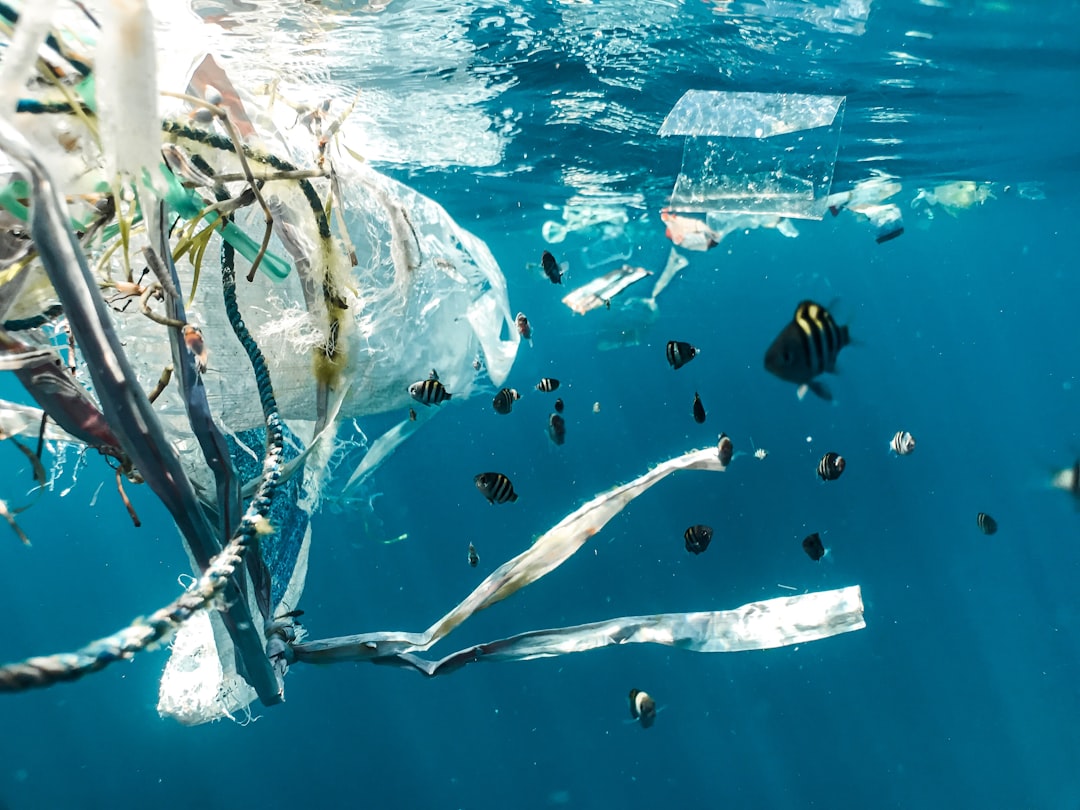
Photo by Naja Bertolt Jensen on Unsplash
In 2012, a researcher named Marcus Eriksen was studying water quality in the Great Lakes when he noticed something disturbing. Tiny plastic spheres were everywhere—in the sediment, in the water, embedded in fish guts. These weren't bits of broken bottles or degraded bags. They were microbeads: perfectly round plastic particles, typically smaller than a grain of sand, intentionally manufactured and added to personal care products. What began as a cosmetic innovation had quietly become an environmental crisis.
The Convenience That Created a Monster
Microbeads became wildly popular in the early 2000s because they solved a problem that consumers didn't know they had. Traditional exfoliants like crushed walnut shells and pumice worked, sure, but they were irregular in size and sometimes harsh on skin. Microbeads offered uniformity, smoothness, and a luxurious feel. Cosmetics companies loved them. Beauty companies loaded them into facial scrubs, body washes, toothpastes, and even makeup products. By the time anyone started asking questions, billions of tons had already entered the waste stream.
The math is staggering. A single tube of facial scrub might contain around 330,000 plastic microbeads. Americans used approximately 8 trillion microbeads daily—that's roughly 24,000 microbeads per person, per day. Most of these ended up in wastewater that either flowed directly into rivers and oceans or passed through treatment plants that simply weren't designed to filter particles that small.
The Journey From Medicine Cabinet to Marine Life
Here's where it gets genuinely alarming. Microbeads don't break down in the ocean. They're plastic, which means they'll persist for centuries, slowly fragmenting into even smaller pieces. Marine organisms from zooplankton to fish to filter-feeding whales mistake these particles for food. A 2021 study found microplastics in the stomachs of fish across multiple species, from the surface-dwelling lanternfish to deep-sea gulper eels. These particles accumulate in animal tissues, potentially blocking digestive systems and leaching chemical additives into their bodies.
The problem compounds through bioaccumulation. Small fish eat microbeads. Larger fish eat the small fish. Predators eat the larger fish. The concentration of plastic particles increases at each level of the food chain. And here's the kicker: we eat those fish. The research on microplastics in human blood is still emerging, but the pattern is clear enough to be deeply concerning.
When the Ban Came Too Late
Public outcry finally forced action. In 2015, President Obama signed the Microbead-Free Waters Act, which took effect in 2016. It prohibited microbeads in over-the-counter drugs and cosmetics in the United States. The European Union followed suit in 2018. Canada implemented similar restrictions.
But—and this is a crucial but—the damage was already done. Estimates suggest that between 8 and 40 trillion microplastics enter aquatic environments annually in the United States alone. The bans stopped new microbeads from entering the system, but billions that had already been released continue circulating in marine ecosystems. In some sediments, microbeads comprise more than 1% of plastic particles on the ocean floor.
Additionally, the ban wasn't comprehensive enough. Companies found loopholes by replacing plastic microbeads with natural alternatives like crushed shell or pumice powder—which is actually ideal—but others simply switched to different types of microplastics that fell outside the regulatory definition. Some manufacturers in countries without restrictions kept producing them, knowing they'd be exported to markets with fewer regulations.
What We Still Don't Know—And That's Frightening
The real uncertainty is about long-term effects on human health. We're only beginning to understand what happens when microplastics accumulate in human organs and tissues. Do they trigger inflammatory responses? Do they serve as vectors for toxic chemicals absorbed from seawater? Can they cross the blood-brain barrier? Scientists are asking these questions now, but most of the research is still preliminary.
What we do know is that microplastics have been found in human lungs, bloodstreams, and placentas. They've been detected in commercially sold seafood consumed by millions of people. One study found microplastics in table salt, another in drinking water—both tap and bottled. The exposure is essentially unavoidable at this point.
Moving Forward When the Damage Is Done
The microbead saga teaches us something crucial about environmental protection: bans arrive only after damage is widespread. Prevention is always cheaper than cleanup. We've learned this lesson before with CFCs and the ozone layer, with DDT and bird populations, with leaded gasoline and childhood IQ. Yet we keep repeating the pattern.
Researchers are now exploring ways to remove microplastics from wastewater before they reach natural ecosystems. Some companies are developing magnetic microplastics that can be pulled out during treatment. Others are investigating biological solutions—certain enzymes and bacteria that might break down plastics faster than nature alone. None of these solutions are perfect, and all are significantly more expensive than simply never producing the microbeads in the first place.
The microbeads story isn't over. It's barely in the middle chapter. We live in an era where convenience products get integrated into our daily routines before anyone asks whether they should. The plastic particles swirling in our oceans and blood are reminders that some conveniences carry costs we're not prepared to pay. The challenge now isn't just stopping the microbeads—it's figuring out what to do with the trillions already in circulation, while simultaneously changing how we evaluate new products before they reach the market.
Next time you're shopping for face wash, check the ingredients. Microbeads might be banned, but plastic never truly goes away.
Comments (0)
No comments yet. Be the first to share your thoughts!
Sign in to join the conversation.