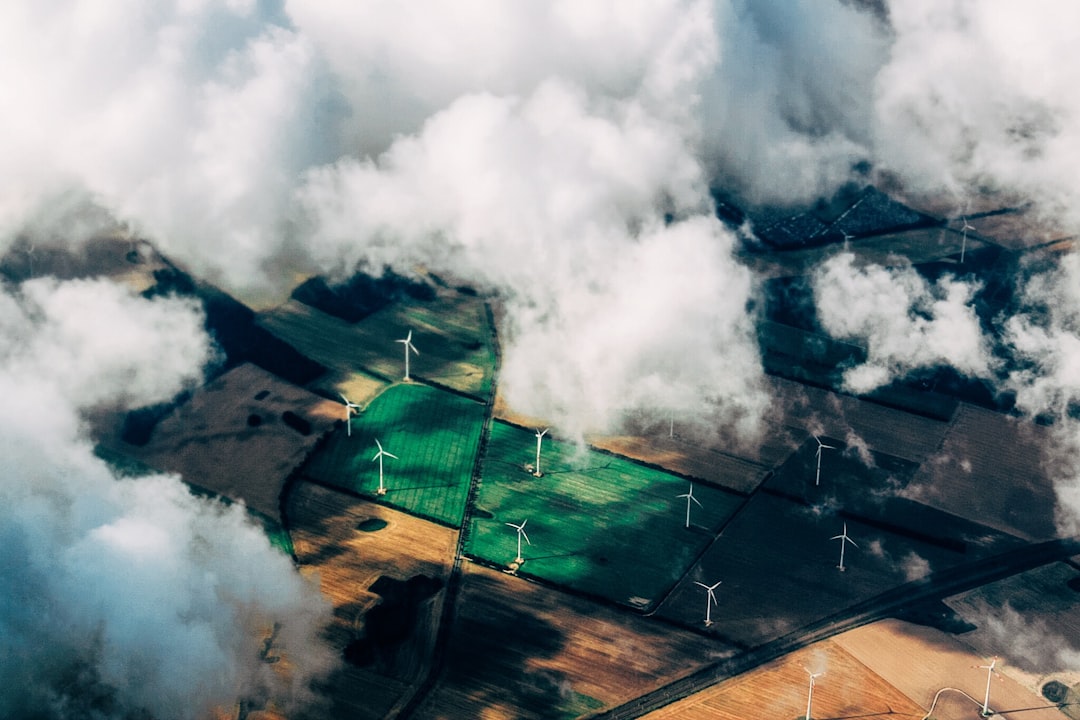
Photo by Thomas Richter on Unsplash
Last spring, researchers at the University of Newcastle made a startling discovery: microplastics were present in 93% of bottled water samples they tested. Not just trace amounts either. We're talking about millions of particles per liter. The findings sent shockwaves through the scientific community, but for most of us sipping water from plastic bottles, it barely registered as a blip on our news feeds.
Yet this invisible crisis deserves our attention. Microplastics—particles smaller than 5 millimeters—have become an omnipresent feature of modern life. They're in the air we breathe, the water we drink, the seafood we eat, and even in human blood. A 2022 study found microplastics in the lungs of living people for the first time, raising uncomfortable questions about what we're actually inhaling with every breath.
How We Created an Invisible Problem
Microplastics don't just appear out of nowhere. They're the broken-down remnants of larger plastic items—the fragments left behind when a plastic bag deteriorates in the ocean, when synthetic fabrics shed fibers in the washing machine, when car tires wear down on highways. Every time you wash clothes made from polyester, nylon, or acrylic, you're releasing between 124,000 and 308,000 microfibers into the wastewater system. Most municipal water treatment plants can't filter them out effectively.
The scale is staggering. A 2019 study estimated that humans consume approximately 39,000 to 52,000 microplastic particles annually through drinking water alone. If you factor in food sources, that number balloons to around 121,000 particles per year for average consumers—double that if you primarily drink bottled water.
The culprits are everywhere. Single-use plastics break down into smaller pieces. Cosmetics contain microbeads. Tire wear from vehicles releases microplastic particles into soil and waterways. Textiles release fibers during manufacturing and washing. Even the degradation of larger plastic waste items in landfills contributes to the problem. It's a vicious cycle we've created without fully understanding the consequences.
Where Are They Coming From—And How Are They Getting Into Us?
The primary routes of human exposure follow predictable patterns. Drinking water—both bottled and tap—remains one of the most significant sources. Seafood, particularly shellfish like mussels and oysters, accumulate microplastics because they're filter feeders. If you consume oysters, you might be eating hundreds of microplastic particles in a single serving. Sea salt, another common dietary staple, contains them too.
Then there's the air. When plastic products break down outdoors, they release particles that become airborne. People living near highways experience higher microplastic exposure through air inhalation. Manufacturing facilities, landfills, and waste management centers are hotspots for atmospheric microplastic pollution. Children and people in industrial areas face the highest exposure levels.
The human gut appears to be where most ingested microplastics end up. Some particles are small enough to cross the intestinal barrier and enter the bloodstream. A groundbreaking 2018 study found microplastics in human blood for the first time, suggesting they can reach organs throughout the body. Whether they accumulate there or are eventually expelled remains unclear—and that uncertainty is precisely what worries scientists.
The Health Question Nobody's Fully Answered Yet
Here's where things get uncomfortable: we don't yet know exactly what microplastics do to human health. The scientific community is still in the early stages of understanding the long-term implications. Some research suggests microplastics could trigger inflammatory responses. Other studies indicate they might carry toxic chemicals or pollutants, acting as vectors for harmful substances. The additives used in plastic manufacturing—like BPA and phthalates—can leach out and cause endocrine disruption.
What we do know is concerning enough. Laboratory studies on animals exposed to microplastics show inflammation, immune responses, and behavioral changes. Microplastics appear to accumulate in organs over time. They contain or absorb harmful chemicals. But translating these findings to human health outcomes requires years of epidemiological research we simply haven't conducted yet.
Dr. Philip Landrigan, a leading microplastics researcher, compares our current situation to the early days of asbestos exposure. We had the material, we used it extensively, and only later discovered the health catastrophe. The parallel should unsettle us.
What We Can Actually Do About It
Individual action matters, though it's important to acknowledge it won't solve the systemic problem. Reduce your plastic consumption where possible—choose glass or stainless steel over bottled water. Install water filters designed to catch microplastics (though effectiveness varies). Buy clothes from natural fibers when feasible. Wash synthetic garments less frequently or use washing machine filters designed to trap microfibers.
But the real solutions require systemic change. Governments need stronger regulations on plastic production and single-use items. Manufacturing standards should eliminate microbeads from cosmetics and require plastic additives that break down safely. Water treatment infrastructure needs upgrading to filter microplastics more effectively. Textile industries need incentives to develop more sustainable materials and manufacturing processes.
Some progress is happening. Several countries have banned microbeads in cosmetics. The EU is implementing stricter regulations on plastic manufacturing. Research into advanced filtration technologies continues. If you're interested in broader environmental solutions, The Rewilding Revolution: How Abandoned Farms Are Becoming Wildlife Sanctuaries explores how we're beginning to repair ecosystems damaged by human activity.
The microplastics crisis isn't as visible as climate change or deforestation, which might be why it hasn't captured the public imagination. But it's perhaps more insidious because the particles are invisible, their effects still mysterious, and their presence already ubiquitous. We've essentially created a planetary-scale chemistry experiment with ourselves as the subjects. The results won't be known for years, possibly decades. That's both a warning and a call to action.
Comments (0)
No comments yet. Be the first to share your thoughts!
Sign in to join the conversation.