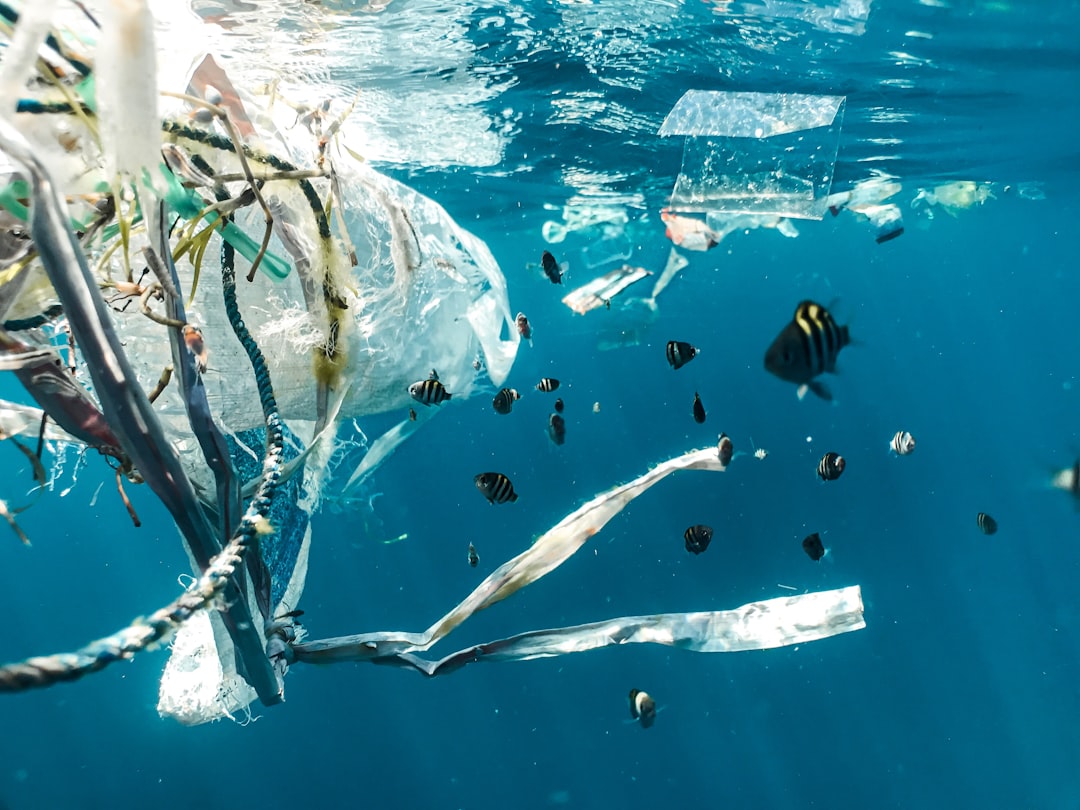
Photo by Naja Bertolt Jensen on Unsplash
The Great Compostable Myth
Last summer, I stood in a commercial composting facility in California watching what I thought would be enlightening. Instead, I watched thousands of "compostable" coffee pods—the kind I'd personally bought, thinking I was making an environmental choice—get sorted into the trash bin. Not because they were defective. Because they literally don't break down in conditions that the compost facility could provide.
This wasn't some freak accident. It was standard operating procedure.
The promise seemed so clean: buy compostable products, toss them in your green bin, and feel good about reducing landfill waste. The marketing is brilliant, really. Brands slap "compostable" labels on everything from coffee capsules to takeout containers to produce bags, and consumers feel virtuous. We've collectively spent billions on these products, believing we're making a difference. But here's the uncomfortable reality: most of it is theater.
Why Industrial Composting Isn't Industrial Enough
Here's where the deception gets really interesting. "Compostable" products require specific conditions to break down—temperatures between 50-60 degrees Celsius, precise moisture levels, and oxygen availability. These conditions exist in industrial composting facilities. Theoretically.
The catch? Most of America's 215 industrial composting facilities aren't actually equipped to handle certified compostables efficiently. They're optimized for yard waste and food scraps, not polymer-based products that need sustained heat exposure over months. When compostable items arrive at these facilities mixed with regular compost, they get filtered out as contaminants and sent to landfills anyway. A 2022 study found that only about 5% of Americans have access to a composting facility that can actually handle compostable items properly.
And here's the kicker: even when facilities theoretically could process these materials, they often don't want to. Why? Because compostable products create economic headaches. They slow down processing, require special handling, and the resulting compost doesn't command premium prices. Most facility operators would prefer you just throw everything in the landfill and move on.
The Confusing Language Game
The real villain in this story isn't the facilities or even the manufacturers—it's the unregulated terminology. When a product says "compostable," it could mean:
Industrially compostable (breaks down in commercial facilities, which 95% of people can't access). Home compostable (supposedly works in your backyard pile, though most don't). Biodegradable (meaningless—everything biodegrades eventually, even plastic in 400 years). And here's the sinister part: these terms aren't well-defined on packaging. A coffee pod might be labeled "compostable" with tiny print saying "industrial facilities only" that nobody reads.
I interviewed Maria Chen, a waste management consultant who's worked with municipalities across the West Coast. She told me: "We see this constantly. People feel good about buying compostable products, but they're creating more problems than solutions because now we have to hand-sort contamination. That's labor costs. That's inefficiency. Meanwhile, the product ends up in a landfill anyway, but the consumer feels absolved."
What Actually Works (and What Doesn't)
So what should you actually do? The unsatisfying answer is: it depends on your situation.
If you have legitimate access to an industrial composting facility that accepts compostables—check your local waste authority's website, not the compost bin label—then certified compostables (look for logos from BPI or DIN CERTCO) *might* work. But honestly, most people don't have this access, and facilities often don't want these products anyway.
The most effective strategy? Stop buying compostable products at all. This isn't defeatism—it's realism. Instead: Buy products with minimal packaging. Use reusable alternatives (cloth bags, metal containers, glass). When you must buy packaged goods, choose recyclable materials like aluminum or #2 plastic that actually have established recycling infrastructure. Compost only actual organic matter at home—food scraps, yard waste, paper products.
I know this sounds less satisfying than the compostable pod fantasy. There's no special bin, no feeling of technological salvation. But here's what actually happened when I stopped buying compostable items: I generated less waste overall because I was forced to think critically about each purchase instead of outsourcing my environmental guilt to a label.
For a deeper dive into how products are harming our environment in unexpected ways, check out The Invisible Thief: How Microplastics Are Colonizing the Food We Eat.
The Future (If We Demand Better)
Change is possible, but it won't happen through consumer choice alone. We need regulatory standards that actually mean something. The European Union has started this work, requiring true compostability verification. The U.S. is lagging embarrassingly behind.
Some manufacturers are getting it right—companies like Notpla make genuinely compostable seaweed-based packaging that works in standard conditions. But they're exceptions, not the rule, partly because they can't compete on price with greenwashing competitors.
The bottom line: compostable products as they exist today are largely an elaborate marketing solution to a production problem, not an environmental solution. Until we have widespread industrial composting infrastructure AND honest labeling AND manufacturer accountability, the greenest choice is the simplest one: buy less stuff, and keep what you do buy out of unnecessary packaging.
Your local landfill certainly won't be fooled by the label.
Comments (0)
No comments yet. Be the first to share your thoughts!
Sign in to join the conversation.