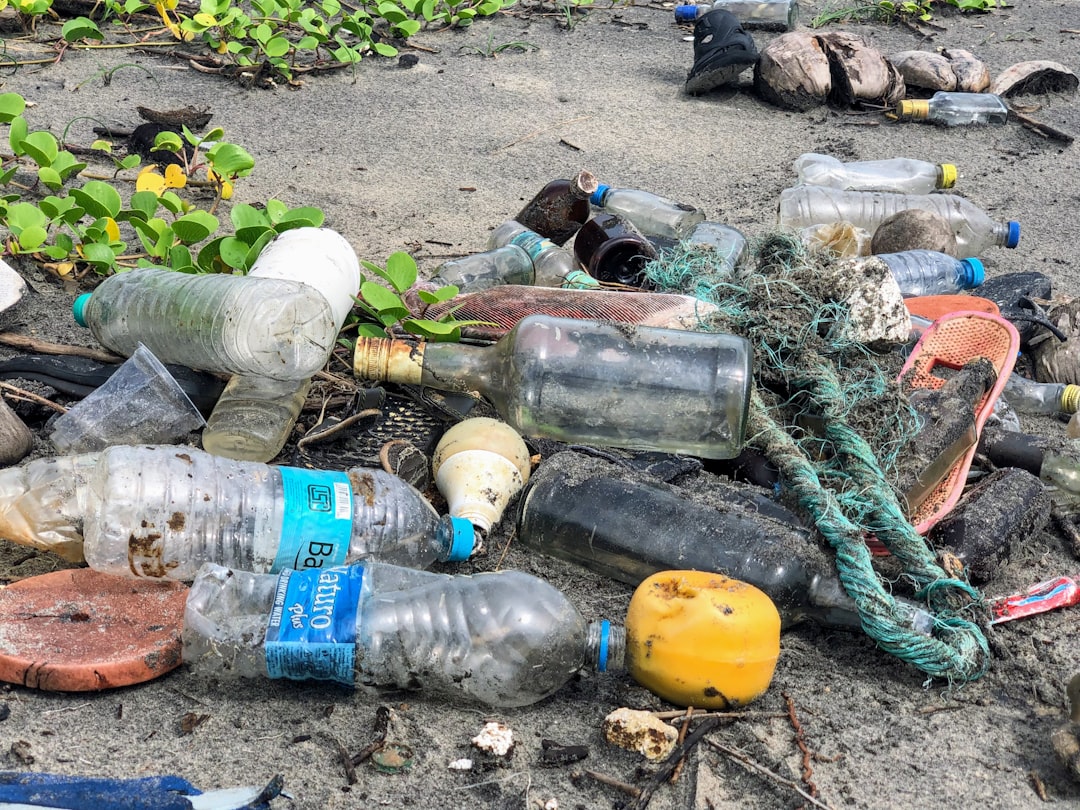
Photo by John Cameron on Unsplash
Every fall, something miraculous happens along the Pacific Northwest. Salmon begin their legendary journey upstream, fighting against currents and leaping up waterfalls to return to the streams where they were born. It's one of nature's most persistent rituals—a journey burned into their DNA across millions of years. Yet lately, marine biologists have noticed something unsettling: the salmon are changing, and not in ways we anticipated.
The Population Rebound Nobody Expected
By the early 2000s, Pacific salmon seemed doomed. Chinook populations had collapsed by 90 percent in some regions. Dams, pollution, overfishing, and warming rivers had pushed these fish toward the brink. Environmental groups warned of total extinction for certain runs. The Elwha River in Washington hadn't seen significant salmon populations in over a century.
Then something remarkable happened. Dam removal projects began in earnest. The Elwha Dam came down in 2012, followed by the Glines Canyon Dam in 2014. Within years—not decades—salmon started returning. In 2023, biologists counted over 3,300 Chinook salmon in the Elwha. Other regions saw similar surges. The Snake River produced a strong coho run last year. Commercial fisheries reopened in Alaska. People started talking about salmon recovery as an actual possibility rather than a nostalgic dream.
But here's where the story gets complicated. The salmon returning aren't identical to the ones that disappeared.
Meet the New Fish: Smaller, Earlier, Stranger
Biologists studying these returning populations have documented a troubling pattern. The salmon are arriving earlier than historical records suggest—sometimes weeks ahead of their traditional migration windows. They're also smaller on average. A Chinook salmon that would have weighed 50 pounds a generation ago now tips the scales at 35 pounds. Their behavior has shifted too. Some populations show reduced aggression and different feeding patterns.
Dr. Jennifer Nielsen at the University of Washington's School of Aquatic and Fishery Sciences explains the phenomenon this way: "We're seeing evolutionary pressure happening in real time. These salmon have survived the worst conditions humans could throw at them, and the survivors have different traits than the ancestors." Ocean temperatures have risen by 1.5 degrees Celsius in the past 40 years along the coast—a massive change in marine ecosystems. Salmon that evolved to migrate at specific water temperatures now navigate seas that don't match their ancestral programming.
The size reduction is particularly significant. Smaller salmon require less food. In warming, less productive oceans, that's an advantage. But it also means fewer calories to fuel the brutal upstream journey. Some research suggests these leaner fish have lower reproductive success, meaning they produce fewer offspring than their larger ancestors despite making it home.
The Hatchery Problem Nobody Talks About
Here's a complication: roughly 70 percent of Pacific salmon in the commercial catch come from hatcheries now. These fish are genetically different from wild populations in measurable ways. They're bred for growth and survival in controlled environments, not for the qualities that mattered in nature for millennia. When hatchery fish escape and interbreed with wild populations—and they do, frequently—they introduce genetic traits that sometimes undermine wild salmon's ability to survive in their native rivers.
A study published in 2022 found that hatchery fish returning to spawn in the wild produced offspring with significantly lower fitness than pure wild populations. They were slower swimmers, poorer at avoiding predators, and less responsive to environmental cues. Yet these hatchery programs are considered success stories. Fish are being counted, populations are growing, and commercial harvests are happening again.
The uncomfortable truth is that we may be saving salmon as a species while losing something essential about what salmon are.
What We've Actually Learned
The salmon story reveals something crucial about environmental recovery in the 21st century: simply reversing the damage doesn't restore what was lost. The Elwha River runs freely again—an unqualified success. But the salmon swimming up it are living in a different world. The ocean they emerged from is warmer. The rivers they navigate are warmer. The food webs they depend on have shifted dramatically.
For a fuller picture of how our world is transforming in unexpected ways, consider reading about permafrost and climate tipping points—another system where human assumptions about stability are proving dangerously naive.
Conservation biologists are grappling with fundamental questions. Should we be using genetics to breed salmon better adapted to warmer waters? Should we abandon hatcheries entirely? Should we focus on ocean conservation instead of river restoration? There are no clean answers.
What we do know is this: every autumn, salmon still fight their way upstream. They still die exhausted after spawning, their bodies feeding bears and eagles and entire ecosystems. That ancient rhythm persists. But the fish themselves are writing new rules, adapting to conditions their ancestors never faced. They're surviving—which used to be enough to call something successful. Now we're learning that survival and restoration aren't the same thing.
The salmon are back. They're just not the same salmon we lost.
Comments (0)
No comments yet. Be the first to share your thoughts!
Sign in to join the conversation.