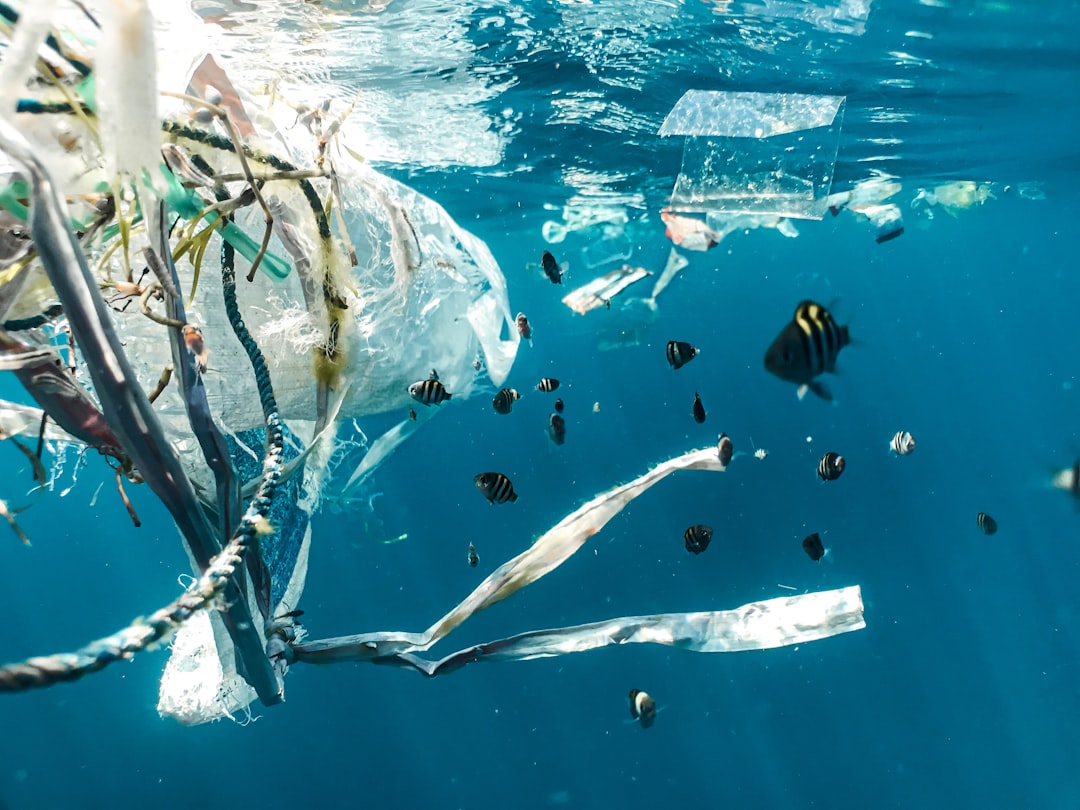
Photo by Naja Bertolt Jensen on Unsplash
Every autumn, something miraculous should happen along the rivers of the Pacific Northwest. Millions of salmon, having spent years in the ocean growing fat and strong, return home to spawn. They fight their way upstream through waterfalls, leap across obstacles, and navigate back to the exact gravel beds where they were born. It's one of nature's most stunning migrations—when it happens. But increasingly, it doesn't.
Last year, the Sacramento River saw its lowest salmon count in recorded history. The Klamath River basin experienced a catastrophic die-off of over 250,000 fish in a single summer. The Columbia River system, which once produced millions of salmon annually, now struggles to hit sustainable targets. What we're witnessing isn't just a bad season. It's the slow-motion collapse of an ecosystem that has defined the Pacific Northwest for thousands of years.
When Dams Changed Everything
If you want to understand why salmon are disappearing, you have to talk about the dams. Hundreds of them. The Columbia River alone has 14 major dams and countless smaller ones. Each dam is presented as progress—hydroelectric power, irrigation, flood control, recreational reservoirs. All reasonable goals. But salmon didn't get a vote.
Here's the brutal arithmetic: dams fragment habitat. A salmon that once could swim hundreds of miles upstream now hits concrete walls. The ones that somehow make it past a dam face 14 more on the journey. Even modern fish ladders—those clever ramps designed to help salmon bypass dams—only help about 85% of fish get through, and that's in the best conditions. Each dam crossing is a lottery where you might lose.
But the real killer is what happens downstream. Water released from dams is colder and moves faster, stripping away the streamside vegetation that young salmon need for shade and food. Reservoirs behind dams warm up, creating conditions where parasites and diseases thrive. Young salmon heading to the ocean face predators concentrated at dam spillways like customers at a dinner buffet. Lose one juvenile salmon here, lose ten potential spawning adults returning years later.
The Elwha River in Washington State offers a ray of hope. When two large dams were removed in 2011 and 2014, scientists watched to see what would happen. The answer stunned everyone. Within a few years, Chinook salmon began showing up in numbers not seen in decades. Steelhead returned. The ecosystem started healing. It was expensive—over $325 million for removal and restoration—but it worked.
Climate Change Is Rewriting the Rules
Even if we removed every dam tomorrow, salmon would still be in trouble. The ocean is changing in ways we're only beginning to understand. Water temperatures in the Pacific have been rising for the past two decades, and salmon are cold-water fish. They have specific temperature ranges where they can thrive. When those ranges shift, they either follow the food source or they starve.
The marine heatwave that struck the Pacific from 2013 to 2016 was catastrophic. Scientists later realized that salmon returning to rivers during that period had spent their ocean years in warmer, less productive waters. Those salmon were smaller, weaker, and less able to survive the journey home. The effects rippled through spawning populations for years.
Then there's the issue of fresh water itself. Warming temperatures mean more precipitation falls as rain rather than snow. That sounds fine until you realize that snowpack acts as a natural reservoir. It slowly melts through spring and summer, keeping rivers cool and flowing. Losing that snowpack means rivers run high and cold in early spring—still too cold for young salmon developing in gravel beds—then warm and low in summer when they desperately need cool water.
The Ripple Effect Nobody's Talking About
Salmon aren't just a commercial fishery or a cultural icon. They're an ecological keystone species. Everything depends on them. Bears, eagles, orcas, sea lions—these animals have evolved entirely around salmon abundance. When salmon disappear, the collapse cascades.
Southern resident orcas offer a tragic example. These whales specialize in salmon, particularly Chinook salmon. As salmon populations crashed, the orca population fell to just 73 individuals by 2020. We watched, helplessly, as mothers starved trying to feed their calves. Marine biologists predicted extinction was possible. The deaths weren't from hunting or direct human action. They were from starvation resulting from an ecosystem transformed by dams and warming.
Indigenous communities, particularly in the Pacific Northwest, are experiencing cultural devastation. For thousands of years, salmon were the foundation of indigenous societies—not just food, but ceremony, trade, identity, and social structure. As salmon disappeared, communities lost access to a crucial food source and the spiritual practices built around salmon harvest. When you lose salmon, you don't just lose a fish. You lose a way of life.
Even human economies are reeling. Commercial fishermen are seeing closures. Tribal fishing rights, hard-won through court battles, amount to almost nothing when there are no fish to catch. Fishing communities that thrived for generations are collapsing.
What Actually Needs to Happen
The Elwha dam removal proved that restoration is possible, but it's not a silver bullet. We need a combination of approaches working simultaneously. Some dams need to come down—particularly older ones that provide minimal benefit compared to their ecological cost. Others need to be retrofitted with better fish passage systems. All of this costs money that societies seem reluctant to spend until crisis forces the issue.
We need to address warming in the ocean and rivers. That means serious climate action—the kind that actually reduces emissions rather than the tokenistic efforts we've seen so far. We need to restore riparian vegetation along rivers to provide shade and cool water. We need to stop ignoring salmon when we make decisions about water use for agriculture and cities.
Most importantly, we need to listen to Indigenous voices. Indigenous-led conservation efforts have consistently outperformed top-down government programs. When tribes have control over their salmon, salmon recover. When they don't, salmon decline. This isn't complicated.
The salmon crisis isn't inevitable. Other regions have brought back fish populations from the brink. But it requires political will, financial investment, and a genuine willingness to prioritize an ecosystem over short-term human convenience. The question is whether we'll act before the last salmon swim home. If you want to understand other climate tipping points we're approaching, read about how permafrost is breaking down our climate predictions—because salmon aren't the only system in crisis.
Comments (0)
No comments yet. Be the first to share your thoughts!
Sign in to join the conversation.