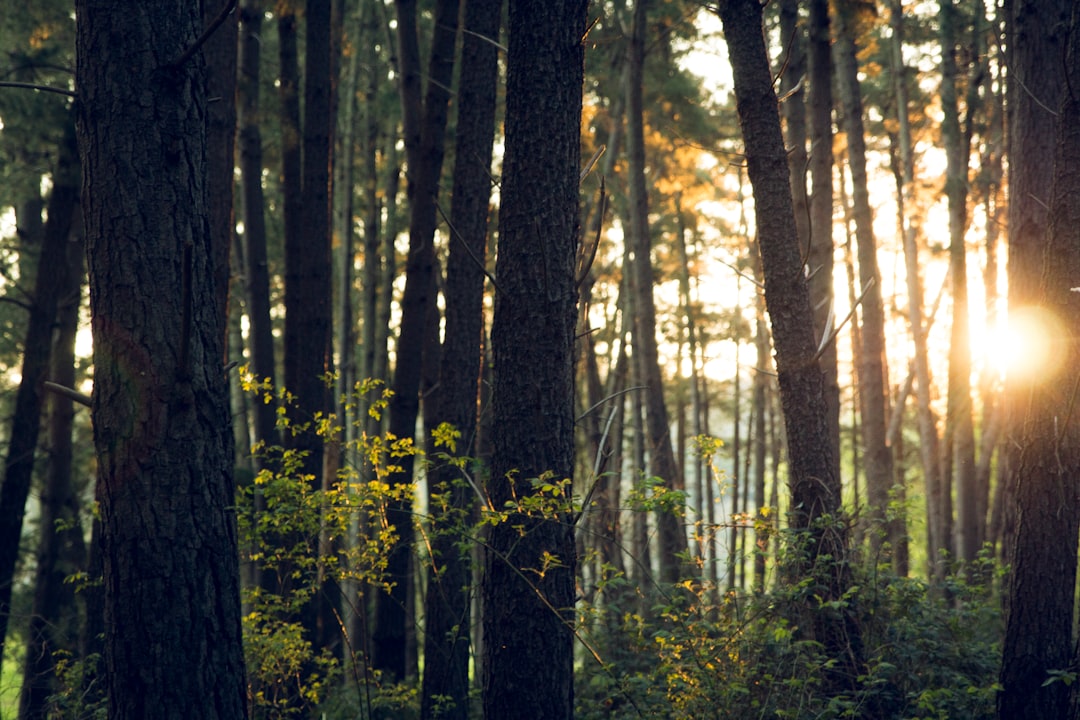
Photo by Dan Stark on Unsplash
Sarah Cheng stood at the edge of what used to be a sprawling coal mine in northern England, watching a red kite circle overhead. Five years ago, this 400-acre plot was nothing but exposed rock, toxic soil, and the lingering scars of extraction. Today, it's a buzzing wildlife corridor where rare species are returning and the earth is healing itself.
This isn't a nature documentary fantasy. Rewilding—the process of allowing degraded land to return to wild habitat with minimal human intervention—is happening in real places, with measurable results. From Scottish highlands to Midwestern American farmland, from Japanese mountains to Portuguese coastlines, a quiet revolution is underway. And it's producing outcomes that conservation experts didn't dare predict just a decade ago.
The Rewilding Movement Takes Shape
Rewilding differs fundamentally from traditional conservation. Rather than managing nature meticulously through human intervention, rewilders step back and let ecological processes restore themselves. It sounds simple, but the implications are profound.
The movement gained serious momentum around 2015, when the European Rewilding Network was established. Today, over 30 million hectares across Europe are undergoing some form of rewilding. That's roughly the size of Poland. But the real story isn't in the numbers—it's in what's actually happening on the ground.
Take the Knepp Estate in West Sussex, England. In 2001, farmer Charlie Burrell made a radical decision. His 3,500 acres of struggling farmland wasn't profitable anymore. Instead of intensifying production, he fenced the land and introduced herbivores—cattle, pigs, deer—then largely left them alone. Within two decades, this former grain farm became one of England's most biodiverse sites. Nightingales returned for the first time in 60 years. Turtle doves, once common across the British countryside, came back. Insects exploded in diversity. The economic payoff? The estate now generates more revenue through tourism and conservation grants than it ever did from agriculture.
Why Land Wants to Be Wild Again
Humans tend to underestimate nature's persistence. When you stop mowing, plowing, spraying, and controlling, ecosystems demonstrate a remarkable ability to reorganize. This happens through a process called ecological succession—a predictable sequence of ecological changes that moves a degraded landscape toward greater complexity and diversity.
First come the pioneer plants: hardy species that stabilize soil and create conditions for others. Then colonizers arrive—shrubs, small trees, insects, birds—each making the environment more hospitable for the next wave. Within just 10-15 years, land that looked barren can transform into functioning habitat.
But there's a catch. Not all abandoned land will automatically rewild successfully. Soil contamination, invasive species, and fragmented habitats can all stall the process. This is where rewilding practitioners bring strategic intervention. They might reintroduce keystone species—animals whose presence triggers cascading ecological effects. European rewilding projects have reintroduced wolves, lynx, and wild boar, each playing crucial roles in reshaping vegetation and food webs.
The Danube Delta rewilding initiative in Romania demonstrates this principle perfectly. By removing dikes and allowing water to flow naturally through former agricultural land, the project restored 10,000 hectares of wetland. The result? A sudden explosion in wetland-dependent species. Fish populations rebounded. Fishermen who initially feared the project now benefit from healthier fish stocks. Migratory birds that had bypassed the region for decades returned in impressive numbers.
The Climate Connection Nobody Talks About
Here's something remarkable that often gets overlooked in rewilding discussions: recovering ecosystems become carbon sinks. When forests regrow, grasslands regenerate, and wetlands rehydrate, they capture and store carbon at scale.
Research from the University of Cambridge found that rewilding projects could sequester enough carbon to offset emissions from 100 million cars annually—if implemented across just 15% of global degraded land. That's not a replacement for reducing emissions directly, but it's a significant complement to climate action.
The mechanism is straightforward. Trees and plants absorb CO2 from the atmosphere as they grow. Degraded soils become active biological systems again, with increased microbial activity that both stores carbon and improves soil health. Rewilded wetlands trap carbon in peat and sediments. You're essentially letting nature run a carbon sequestration operation while simultaneously restoring biodiversity. It's one of the few environmental interventions that doesn't force us to choose between competing goals.
The Challenges Are Real (But Not Insurmountable)
Rewilding isn't universally beloved, and criticisms deserve serious consideration. Ranchers worry about livestock predation when wolves return. Farmers question land use priorities in regions where food production remains essential. Indigenous communities sometimes find themselves sidelined from rewilding projects despite having managed these lands sustainably for generations.
There's also the scale problem. Rewilding works best at landscape scales—thousands of hectares—not in isolated patches. A rewilded forest surrounded by intensive agriculture remains vulnerable. Rewilding projects in densely populated regions face practical and political obstacles that don't exist in remote areas.
Perhaps most critically, rewilding cannot solve habitat loss caused by ongoing human expansion. If we're still converting wild habitat to development elsewhere, rewilding becomes a band-aid on a larger wound. It's essential but not sufficient.
The strongest rewilding initiatives acknowledge these tensions. They involve local communities from the start. They integrate traditional ecological knowledge. They're transparent about timescales—some rewilding projects take 50+ years to reach full biodiversity recovery. And they position rewilding as one tool among many, alongside habitat protection, pollution reduction, and emissions cuts.
What Comes Next
The rewilding movement is accelerating. The World Economic Forum identified ecological restoration as one of the highest-impact climate solutions. Major institutions are committing funding. The UK government recently announced a £500 million rewilding investment. Costa Rica has rewilded so successfully that forest cover, which dropped to 21% in 1987, now exceeds 50%.
Perhaps most importantly, rewilding is proving that environmental recovery doesn't always require high-tech solutions or massive financial outlays. Sometimes the best intervention is knowing when to let go and allow natural systems to do what they've evolved to do over millions of years.
If you're interested in how natural systems restore themselves, you might also want to read about why your houseplants are quietly fighting climate change (and why that's not enough). Understanding carbon sequestration at multiple scales helps contextualize what's possible when we work with nature rather than against it.
Sarah Cheng's red kite, circling above that former coal mine, represents something profound: the possibility of restoration. Not in some distant future, but now, on land we've already damaged. The question isn't whether nature can recover. It's whether we'll give it the chance.
Comments (0)
No comments yet. Be the first to share your thoughts!
Sign in to join the conversation.