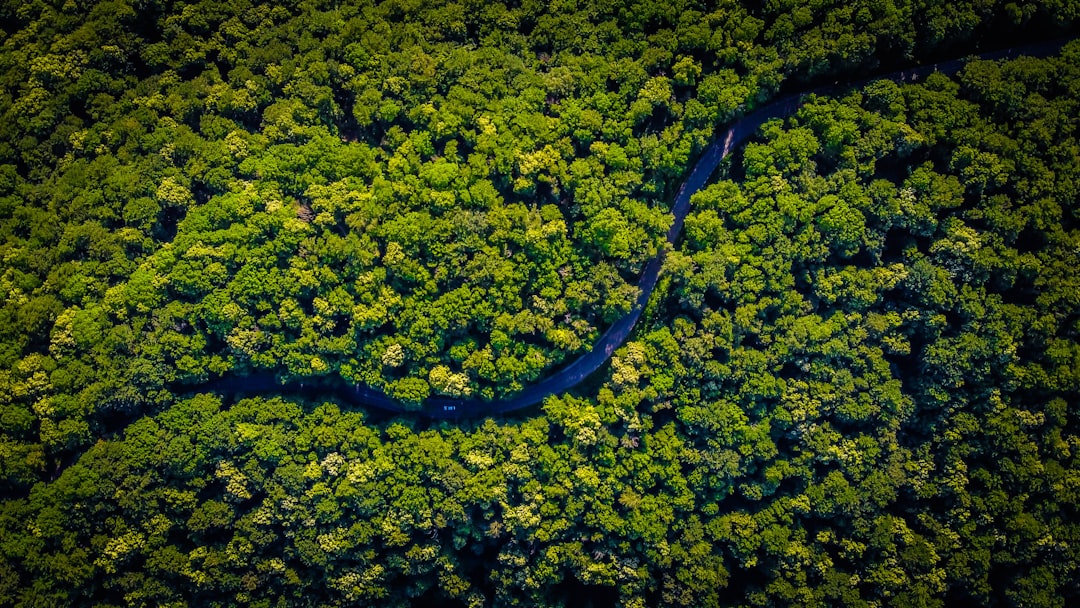
Photo by Vlad Hilitanu on Unsplash
A few hours east of Berlin, something quietly extraordinary is happening. On what used to be an East German collective farm, European bison now roam freely across 16,000 acres of reclaimed grassland. Wolves have returned. Golden eagles nest in the trees. The Oder River Delta, once drained and converted into agricultural monoculture, is transforming back into a wetland mosaic so rich with life that it's attracting species that haven't been seen there in centuries.
This isn't some carefully manicured nature reserve managed by park rangers. It's rewilding—the practice of allowing formerly cultivated land to return to wild conditions with minimal human intervention. And across Europe, this movement is exploding.
The Farm Abandonment Crisis That Became an Opportunity
The numbers tell a remarkable story. Between 2000 and 2020, Europe lost roughly 30 million hectares of active farmland. That's an area roughly the size of Italy, left to its own devices. The reasons are straightforward: younger generations aren't interested in subsistence farming, mechanization has consolidated agricultural operations into fewer and larger holdings, and rural communities have hemorrhaged population as people move to cities.
For decades, policymakers treated this as a tragedy. But a growing number of conservationists and landowners started asking a different question: what if we let it happen on purpose?
The Knepp Estate in West Sussex, England, is one of the most famous examples. In 1998, farmers David and Isabella Tree made a radical decision. Instead of fighting the financial struggles of conventional farming, they decided to stop managing their 3,500-acre estate almost entirely. They removed most of the infrastructure, pulled out the fences, and introduced free-roaming grazing animals—cattle, pigs, deer, and horses—then mostly left them alone.
The results? Within 15 years, Knepp had become a hotspot for English wildlife. Species that hadn't been seen there in 60 years came back. Nightingales—a bird whose populations have crashed across England—suddenly nested there by the dozen. Turtle doves, also in serious decline, appeared. Water voles, dragonflies, and dozens of plant species returned.
What Actually Happens When You Stop Controlling Nature
Rewilding works because it reinstates ecological processes that industrial agriculture had suppressed for generations. When you stop plowing, applying pesticides, and managing every inch of land, the soil comes alive. Fungi networks rebuild. Insects return. Birds come back because they have food and habitat again.
But here's what makes rewilding different from simply abandoning land: it's often intentional and strategic. The best rewilding projects use large herbivores—cattle, horses, deer, sometimes even reintroduced bison or aurochs—to maintain open grasslands and prevent the scrub from becoming impenetrably thick. These animals create a mosaic of habitats: short grass for ground-nesting birds, tall grass for insects and small mammals, scattered trees for larger predators.
The Oder Delta project mentioned earlier uses managed grazing combined with water management to create the exact habitat conditions that wetland species need. The European bison, which had been hunted to extinction in the wild by 1919, were carefully reintroduced. Today there are over 600 wild bison in Poland, and the population continues growing.
The mechanics matter. Most rewilding projects don't mean zero human involvement. Instead, they mean reducing human control and letting natural processes do most of the work. It's the difference between a nature reserve with rangers checking on everything and a wild place where humans monitor but mostly don't intervene.
The Numbers: Rewilding at Scale
What started as a fringe idea is becoming mainstream. A 2020 study found that roughly 140 million hectares across Europe could potentially be rewilded without competing with food production. That's space for an absolutely massive restoration project.
Some countries are moving faster than others. Scotland has committed to managing 30% of its land for nature by 2030. Portugal is rewilding 50,000 hectares. Germany's national biodiversity strategy explicitly supports rewilding initiatives.
The financial models are starting to work too. Conservation organizations have figured out that rewilded land can generate income through ecotourism, carbon credits from regenerating soil and vegetation, and even through agritourism experiences. Knepp, for instance, now runs popular glamping sites and educational programs that help fund the conservation work.
In Poland, the rewilding movement has created a framework where landowners can access EU agricultural subsidies even if they're not farming actively, as long as their land is being managed for environmental benefit. This removes the financial cliff that previously forced farmers to keep intensively managing land regardless of profitability.
The Challenges: When Wild Things Compete With Human Interests
Rewilding isn't universally beloved. In rural areas, skepticism runs deep.
Farmers worry about bison or wolves on neighboring land affecting their own operations. Hunters argue that rewilded areas are reducing game populations. Some landowners fear property value impacts or the loss of control over what happens on their land. These concerns aren't trivial—they're often rooted in real economic pressures and legitimate disagreement about land use priorities.
The wolf recolonization of Europe, enabled partly by rewilding efforts, has created genuine conflicts. Livestock predation is real. In some regions, it's become a serious enough issue that it's fueling political backlash against conservation efforts more broadly.
There's also a thorny question about which version of nature we're trying to restore. Are we trying to recreate the wildlife communities that existed 100 years ago? 500 years ago? The climate is changing, which means the ecological baseline keeps shifting. Some of the species we might want to restore might not even be viable in their former habitats anymore.
What Comes Next
The rewilding movement is at an inflection point. It's proven that large-scale ecological restoration can work. The question now is whether we can scale it while managing the conflicts that arise.
The most successful rewilding projects seem to be those that bring local communities along—creating jobs in ecotourism and conservation, involving ranchers and farmers in planning, and being transparent about both the benefits and the costs.
There's also important work happening on the marine side. Fishing communities are working with conservationists to identify areas where commercial fishing could be reduced or eliminated, allowing marine ecosystems to recover. It's harder to see the results than with terrestrial rewilding, but underwater restoration is happening.
For context on how human activity affects what we eat, it's worth understanding how microplastics are colonizing the food we eat—a reminder that our environmental impact extends even into our meals.
Rewilding isn't a perfect solution to the biodiversity crisis. But it's one of the few approaches that's proven to work at scale, it's economically viable, and it addresses climate change while restoring habitat. The bison grazing on former farms in Poland, the nightingales nesting at Knepp—these aren't just conservation wins. They're proof that when we step back, life has a remarkable capacity to flourish again.
Comments (0)
No comments yet. Be the first to share your thoughts!
Sign in to join the conversation.