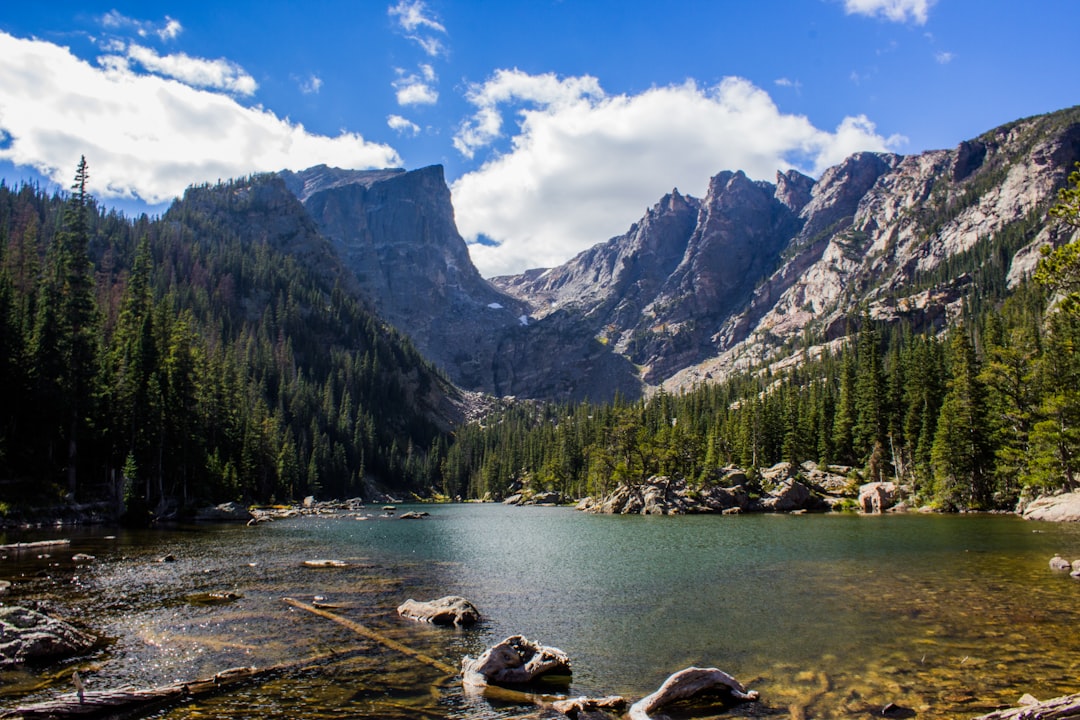
Photo by Rob Morton on Unsplash
A few years ago, Dutch conservationists released European beavers into the Biebrza River valley in Poland with noble intentions. These industrious engineers would restore wetlands, improve water quality, and revitalize the ecosystem. What actually happened? The beavers didn't get the memo about ecological restoration. They built dams with such enthusiasm that they flooded agricultural land, destroyed infrastructure, and created what locals saw as an environmental catastrophe in reverse. The rewilding project that was supposed to heal the land became the reason farmers were demanding culls.
This is the dark side of rewilding nobody talks about at conservation conferences.
The Fantasy of Ecological Restoration
Rewilding has become the darling of modern conservation. The concept is seductive: humans have extracted and destroyed, so we'll reverse course by reintroducing species and restoring natural processes. Books like "Trophic Cascades" and "Rewilding the World" promise that nature, once freed from human interference, will cascade back into balance. There's something almost spiritual about the idea—nature healing itself under our careful guidance.
The problem is that nature isn't a computer program you can restore from a backup file. Ecosystems exist within specific contexts. Those contexts have changed dramatically. The climate is different. The plants have shifted. The soil composition has altered. The very definition of "natural" has become contested in the Anthropocene.
Take the case of sea otters in the Pacific Northwest. Their reintroduction was a textbook conservation success—populations rebounded, and they began controlling sea urchins, which allowed kelp forests to flourish. Except the otters started decimating abalone populations that indigenous peoples had harvested for millennia, creating genuine cultural conflict over whose restoration matters more.
The Wolf Wars: When Predators Return to an Unprepared World
The reintroduction of gray wolves to Yellowstone National Park in 1995 is often cited as a rewilding triumph. Wolves were gone for 70 years, hunted to extinction in the lower 48 states. Scientists believed their absence had destabilized everything. Restoring them seemed obvious.
And yes, the ecological effects were dramatic. The wolves did control elk populations, which allowed vegetation to recover along riverbanks. Willows and aspens bounced back. The entire system shifted. But here's what doesn't make the nature documentaries: ranchers lost livestock. Hunters lost elk. Rural communities felt like conservation decisions were being made for them, not with them. The reintroduction happened under the Endangered Species Act with relatively little input from people living alongside these apex predators.
Between 1995 and 2020, wolves killed approximately 650 cattle and 2,100 sheep in the Northern Rockies. For someone running a tight ranch operation, that's not an ecological service—that's bankruptcy. The wolves were restored. The rural West wasn't consulted about the cost.
When Introduced Species Become Tomorrow's Invaders
Here's where rewilding gets genuinely complicated: sometimes the species we're trying to restore become invasive species in the modern environment. The reintroduced population adapts and spreads beyond restoration zones. What was supposed to heal becomes what we're trying to control.
Consider Arabian oryx reintroduction in Oman. In the 1970s, the species existed only in zoos. Conservationists launched "Operation Oryx," breeding them in captivity and releasing them into the Arabian Peninsula. Today, there are over 1,000 in the wild. Success, right? Except these reintroduced populations have become so abundant that they're overgrazing native vegetation and competing with indigenous wildlife. We saved them from extinction only to create a new environmental problem.
This pattern repeats globally. Reintroduced populations that thrive can outcompete native species. They can introduce diseases. They can alter predator-prey relationships in unexpected ways. The ecosystem you're trying to restore isn't frozen in time—it's been evolving without that species for decades or centuries.
The Missing Ingredient: Local Knowledge and Consent
The most successful rewilding projects share one characteristic: they involve local communities from the beginning, not after the animals have been released. When indigenous peoples and rural residents are part of the decision-making, outcomes improve dramatically.
The Serengeti elephant restoration worked partly because it involved Maasai communities in management decisions. The return of jaguars to Central America succeeded because ranchers were compensated and educated about coexistence rather than confronted with predators they didn't agree to live with. These projects aren't perfect, but they acknowledge that rewilding isn't purely an ecological question—it's a social and economic one too.
As we consider more ambitious rewilding projects, from reintroducing lynx to Europe to discussing mammoth restoration in Siberia, we need to ask harder questions. Whose land is this? Who bears the costs? What does restoration actually mean when the world has changed so fundamentally? These aren't obstacles to overcome—they're essential aspects of the problem itself.
Rewilding can work. But it works best when we acknowledge that we're not actually returning to some pristine past. We're negotiating what kind of shared world we want to create, with all the complexity and compromise that requires.
For a deeper understanding of how human actions cascade through ecosystems, read about mangrove forests and their hidden ecological power—another example of how nature's solutions are far more intricate than they first appear.
Comments (0)
No comments yet. Be the first to share your thoughts!
Sign in to join the conversation.