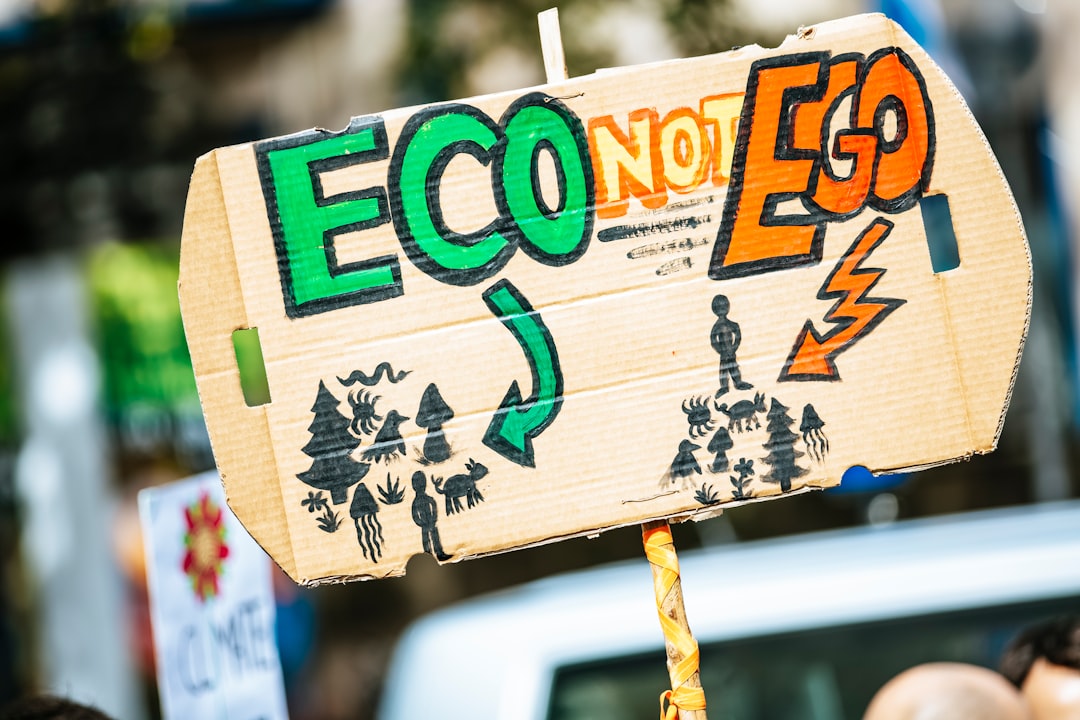
Photo by Markus Spiske on Unsplash
The Invisible Invaders in Your Medicine Cabinet
You probably don't think about what happens after you rinse off your face wash. The suds go down the drain, and that's that, right? Wrong. Lurking in many personal care products are microbeads—tiny plastic spheres smaller than a grain of sand that manufacturers deliberately added for years. A single tube of facial scrub could contain as many as 330,000 of these particles.
The problem isn't just microbeads anymore. That's actually the old villain. Today, the real culprit is microplastics of all kinds: fragments shed from synthetic fabrics in your clothing, particles from degraded plastic packaging, and polymers intentionally added to cosmetics for texture, shine, or hold. When scientists tested samples from major beauty brands in 2023, they found microplastics in roughly 60% of the products tested.
Sarah Richardson, an analytical chemist at the University of Toronto who has spent the last decade tracking microplastics, explained it this way: "People think of pollution as oil spills or factory smoke. But we're literally washing pollution down our drains every single morning."
The Journey from Bathroom to Ocean
Here's where it gets disturbing. Wastewater treatment plants were never designed to filter out particles this small. While they catch larger debris, microplastics slip right through the mesh screens and into rivers, then oceans. A 2022 study published in Environmental Science & Technology estimated that cosmetics and personal care products contribute approximately 4,360 tons of microplastics to aquatic environments annually in the United States alone.
Once in the ocean, these particles don't disappear. They persist for decades, breaking down further into even smaller fragments that marine organisms can easily consume. A sea turtle might mistake a microplastic for plankton. A fish eats contaminated algae. Then we eat the fish. The chain continues, and we still don't fully understand the long-term implications.
What we do know is troubling. Researchers have found microplastics in human blood, lung tissue, and even in the placentas of newborns. A 2024 study from the Netherlands discovered microplastics in every blood sample examined—participants had an average of 1.6 micrograms per milliliter of blood. While scientists haven't yet proven direct causation between microplastics and specific health conditions, the inflammatory response these particles trigger is concerning. Your body identifies them as foreign invaders, mounting an immune response that could contribute to cardiovascular disease, respiratory problems, and other chronic conditions.
Which Products Are the Worst Offenders?
Not all personal care products are created equal. Exfoliating scrubs remain problematic, though many manufacturers have voluntarily switched to gentler alternatives like ground walnut shells or fruit pits. But the sneakier culprits are items you might never suspect.
Glitter—yes, the stuff that makes you sparkle—is essentially microplastic. So is many liquid eyeliners and shimmer eyeshadows. Some toothpastes still contain microbeads, though regulation has tightened since the U.S. banned them in 2015. Even some sunscreens contain plastic polymers meant to help the product adhere to skin longer.
The most insidious part? There's no requirement for manufacturers to list microplastics by that term on ingredients labels. They hide under names like "polyethylene," "polypropylene," "polymethyl methacrylate," or simply "fragrance" in some cases. You could be buying microplastics without realizing it.
What's Being Done—And What's Not
The regulatory response has been glacial. The microbeads ban was a start, but it was narrowly focused. The European Union has taken a broader approach, proposing restrictions on intentionally added microplastics across multiple product categories, including cosmetics and cleaning products. California followed suit in 2023. But globally, most countries still have no restrictions.
Some companies are responding voluntarily. In 2020, L'Oréal committed to replacing all synthetic microbeads and microplastics in their products by 2025. Unilever pledged similar reductions. Yet smaller brands, which often operate with less scrutiny, continue using cheap plastic additives.
The real challenge is that switching to alternatives costs money. Natural exfoliants are more expensive than petroleum-derived microbeads. And for some applications—like making sunscreen stay put on wet skin—plastic polymers have been the easiest solution. Companies are scrambling to find replacements, but innovation takes time.
What You Can Actually Do Right Now
While systemic change matters, individual choices create ripples. Start by checking ingredients on products you use regularly. Avoid anything listing polyethylene, polypropylene, polymethyl methacrylate, or nylon as ingredients. Choose physical exfoliants with natural materials: ground apricot pits, sea salt, sugar, or oatmeal.
Swap out synthetic makeup for mineral-based alternatives whenever possible. Buy natural fiber clothing when you can—synthetic fabrics shed more microplastics during washing. Use a microfiber-catching washing bag like Guppy Friend if you can't avoid synthetics entirely.
Perhaps most importantly, support companies making better choices. Vote with your wallet. When enough consumers demand microplastic-free products, more manufacturers will make the switch.
The ghost forests drowning in rising seas and the whales choking on plastic bags get news coverage, but your morning shower routine is quietly contributing to the same catastrophe. The good news? Unlike climate change or ocean acidification, this is one environmental problem where individual action can have an immediate, measurable impact. You can stop being part of the problem today.
If you're concerned about broader environmental degradation, understanding how interconnected these crises are is important—much like how the ghost forests rising from our coasts show the cascading effects of environmental damage on entire ecosystems.
Comments (0)
No comments yet. Be the first to share your thoughts!
Sign in to join the conversation.