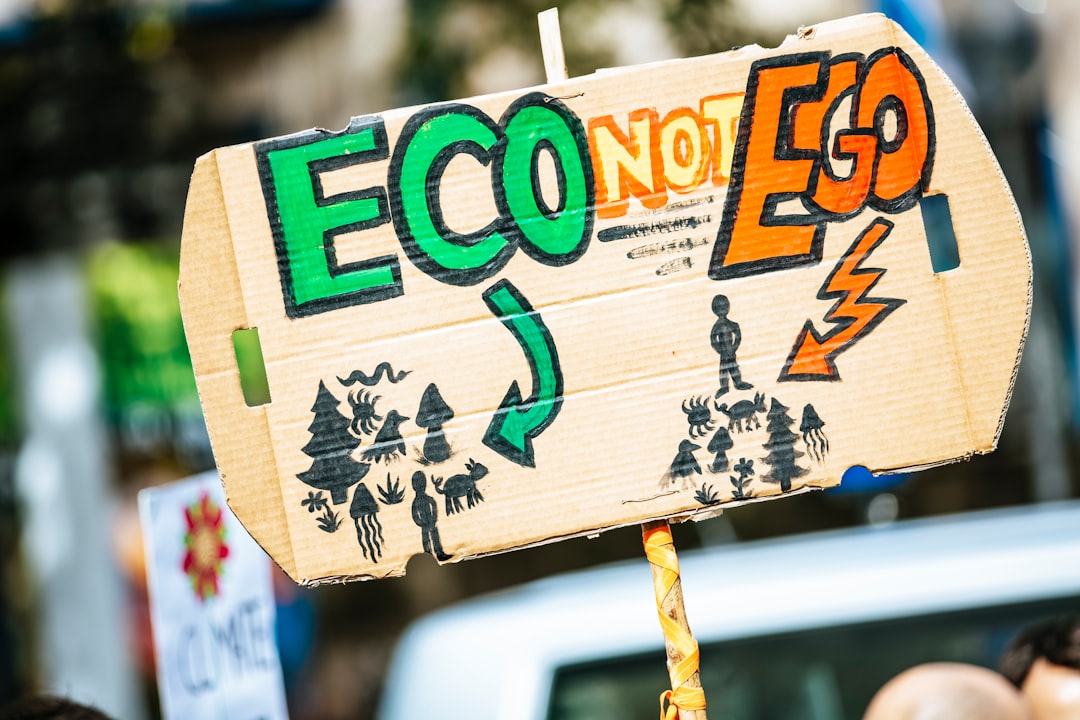
Photo by Markus Spiske on Unsplash
You wake up at 6:47 AM, shuffle to the kitchen, and start your coffee maker without thinking. The rich aroma fills your kitchen. You're not thinking about Costa Rica. You're not thinking about the 25 million acres of rainforest cleared globally since 1990, largely for agriculture. You're not thinking about the fact that your morning routine, multiplied by the 2.25 billion coffee cups consumed worldwide every single day, represents one of the most significant environmental crises we're collectively ignoring.
The coffee industry is worth $200 billion annually, making it the second-most traded commodity after oil. But unlike oil, we pretend coffee is harmless. Natural. Part of our morning ritual. The reality is far messier.
From Rainforest to Roastery: The Clearing that Nobody Sees
Coffee thrives in what's called the "Bean Belt"—the tropical regions between the Tropics of Cancer and Capricorn. Perfect climate. Perfect elevation. Perfect for profits. Except that these same regions happen to overlap dramatically with the world's most biodiverse ecosystems.
In Ethiopia, where coffee originated, farmers traditionally grew coffee in the shade of native forest trees. It was brilliant, actually. The trees provided habitat for birds, insects, and countless other species while protecting the soil and regulating water cycles. But this method doesn't maximize yield per acre. So over the past few decades, industrial agriculture pushed shade-grown coffee aside in favor of sun-grown coffee—full-sun monocultures that demand clear-cutting forests first.
The numbers are staggering. A study by Conservation International found that coffee farming is responsible for roughly 37% of the deforestation in the world's most important bird habitats. In Colombia, a single coffee plantation spanning 40,000 hectares replaced forest that had existed for millennia. Birds that migrated between North America and South America suddenly had nowhere to rest. Species that existed nowhere else on Earth vanished.
Colombia produces 12% of the world's coffee. Vietnam produces 16%. Indonesia produces 7%. Each country has its own deforestation story, but they all follow the same script: native forest gets removed, monoculture gets planted, soil gets depleted, chemical inputs increase, and the ecological damage accelerates.
The Water Crisis That's Brewing Underground
Coffee is thirsty. Incredibly thirsty. Producing one kilogram of coffee beans requires approximately 21,000 liters of water. That's roughly 140 liters per cup. Think about that figure while you're sipping.
Much of this water comes from regions already facing water stress. In Ethiopia, where coffee farming employs 15 million people, aquifers are being drained at unsustainable rates. The same applies to parts of Honduras, Guatemala, and Nicaragua. Agricultural water extraction is contributing to the depletion of freshwater reserves that entire communities depend on for drinking water.
The situation becomes even more troubling when you consider agricultural runoff. Coffee plantations use substantial amounts of pesticides and fertilizers. When these chemicals seep into groundwater or run off into nearby rivers, they contaminate drinking water sources. In some regions of Central America, coffee-farming communities have had to drill wells hundreds of meters deep because surface water became unsafe to drink. The industry that these communities relied on for economic survival was poisoning their water.
The Chemical Dependency Trap
Monoculture farming creates its own problems. When you remove the natural diversity of a forest and replace it with thousands of identical coffee plants, you're essentially creating a buffet for pests. Coffee leaf rust, which affects the plant's ability to photosynthesize, thrives in these conditions. Without the natural predators and competitors that exist in diverse ecosystems, rust spreads rapidly.
The solution, as far as industrial agriculture is concerned, is chemical fungicides. Guatemala uses more pesticides per acre than any other coffee-producing nation. Many of these chemicals are banned in the United States and Europe due to health concerns, but they're perfectly legal to sell and use in developing nations. Workers in these fields spray pesticides without proper protective equipment. Cancer rates in coffee-farming regions are significantly higher than national averages.
The chemicals don't stay on the fields. They contaminate soil, water, and eventually show up in trace amounts in the coffee itself. A 2020 study detected multiple pesticide residues in samples from major coffee-producing regions. Most were below regulatory limits—the limits set by the same governments that benefit economically from the industry.
The Climate Change Connection That Completes the Circle
Here's where it gets cyclical and deeply troubling. Deforestation removes trees that would otherwise absorb carbon dioxide from the atmosphere. So clearing rainforest for coffee plantations directly contributes to climate change. Then, climate change makes coffee farming harder. Rising temperatures, irregular rainfall patterns, and increased disease pressure are already forcing farmers to move plantations higher up mountainsides, which means clearing even more forest.
Scientists estimate that suitable coffee-growing regions could shrink by 50% by 2050 due to climate change. The very practice of industrial coffee farming is making the conditions it depends on unsustainable. And the burden falls almost entirely on farmers in developing nations who contributed least to the climate crisis.
If you want to understand how environmental destruction, economic inequality, and climate change intersect, coffee is the perfect case study. It's also surprisingly one of the most addressable ones.
What Actually Changes Anything
Shade-grown coffee exists. It costs more—maybe 20-40% more per pound—but it actually sequesters carbon, preserves habitat, and produces beans with more complex flavor profiles. Some specialty roasters focus exclusively on shade-grown, bird-friendly coffee certified by organizations like the Smithsonian Institution.
Fair trade certification helps, though it's imperfect. Direct relationships between roasters and farmers can cut out middlemen and increase what farmers actually earn. Some farms are transitioning back to traditional agroforestry methods.
But here's what needs to happen: your coffee needs to cost what it actually costs. The environmental damage, the water depletion, the chemical exposure—none of that is reflected in a $2 cup of coffee from a chain café. Until consumers understand and accept that coffee's true price is substantially higher, market incentives will continue to favor destruction.
For a deeper understanding of how our everyday choices ripple through ecosystems, consider reading about how warming oceans impact beloved wildlife species—another example of how interconnected our world truly is.
Your morning coffee is a choice. Every single day, you have the opportunity to choose differently. That choice matters more than you probably realize.
Comments (0)
No comments yet. Be the first to share your thoughts!
Sign in to join the conversation.