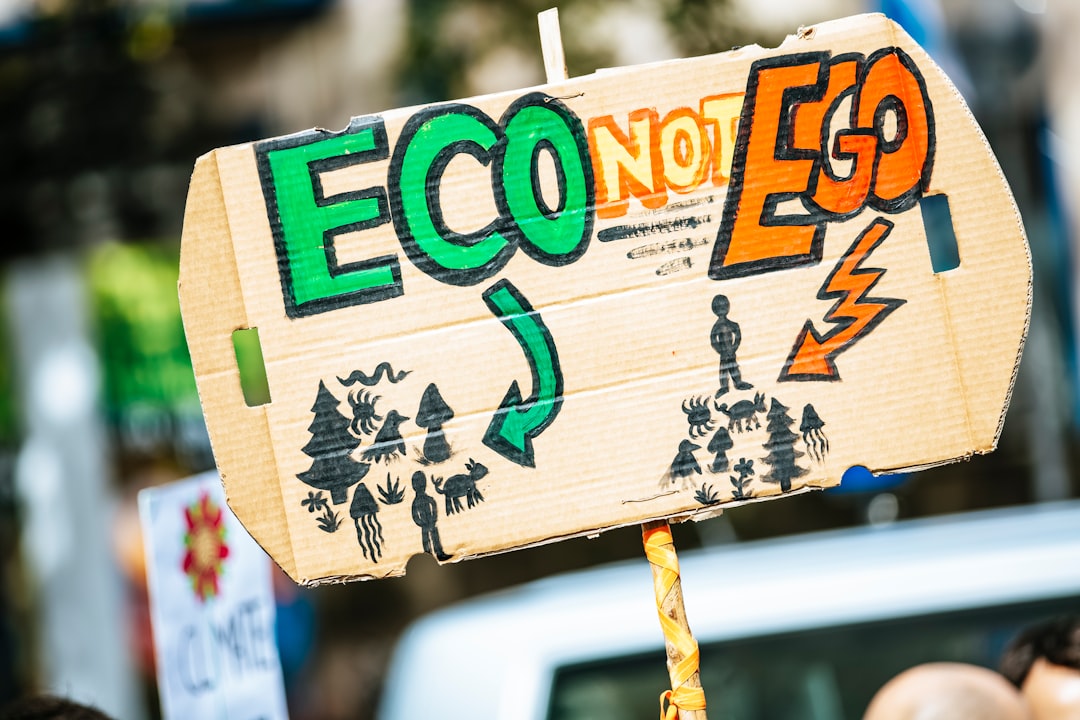
Photo by Markus Spiske on Unsplash
Last spring, a wildlife biologist named Dr. Sarah Chen stood at the edge of what used to be a corn field in upstate New York. Fifteen years ago, the farmer who owned this 40-acre plot simply stopped farming. His knees couldn't take the physical toll anymore, and his kids had moved to the city. He left the land untended, wondering what would happen next. What actually happened shocked even Chen, who has spent two decades studying ecosystem recovery.
The field had transformed into a thriving mosaic of native plants, insects, birds, and small mammals. Where there once stood endless rows of genetically identical corn, now wildflowers swayed in the breeze alongside native grasses. Chen documented over 200 plant species and counted nesting sites for 47 different bird species—species that hadn't been seen in that county in decades. The transformation happened with zero human intervention, zero management plans, and zero budget.
This isn't an isolated story anymore. Across North America, Europe, and increasingly in Asia, abandoned agricultural land is undergoing a remarkable ecological renaissance. And scientists are only beginning to understand the profound implications for climate change, biodiversity, and our collective future.
The Numbers Behind the Quiet Revolution
The sheer scale of farmland abandonment is staggering. The United States alone has over 40 million acres of abandoned agricultural land—that's roughly the size of Florida. The European Union has seen similar trends, with Spain, Italy, and France leading the way in land abandonment as younger generations reject farming as a career path. Between 2000 and 2020, roughly 5 million hectares of European farmland were simply left behind.
But here's where it gets interesting: unlike previous environmental stories about land loss and degradation, this one offers genuine hope. A 2023 study published by the Nature Conservancy tracked 14 different rewilding projects across three continents. On average, abandoned farmland showed a 400% increase in plant species diversity within just 10-15 years. Bird populations bounced back even faster. Insect biomass—the total weight of insects in an area, which many scientists consider the best indicator of ecosystem health—increased by an average of 380% over the same period.
Perhaps most crucially, these recovering ecosystems are becoming significant carbon sinks. A forest ecologist named Dr. Marcus Webb estimated that rewilding just 10% of global agricultural land could sequester enough carbon to offset roughly 15 years of current global emissions. The calculation seems almost too good to be true, which is probably why most people haven't heard about it.
Why Farmers Are Walking Away
The causes of farmland abandonment are complex and frankly depressing if you care about rural communities. Commodity prices for crops like corn and soybeans have stagnated for decades when adjusted for inflation. Meanwhile, equipment costs, fertilizer prices, and land taxes keep rising. A farmer I spoke with in Iowa, who abandoned his family's 200-acre operation in 2016, put it bluntly: "I was working 80-hour weeks and losing money every single year. My neighbors who are still farming are only surviving because they're massive operations or they have off-farm income. For a mid-sized operation like mine, it just doesn't work anymore."
Labor shortages compound the problem. Young people don't want to farm. The work is brutal, the hours are endless, and the financial security is nonexistent. Rural colleges have seen agricultural program enrollments drop by half over the past 20 years. Many small towns have simply accepted that farming, as they knew it, is ending.
In developing nations, the pattern differs but leads to similar abandonment. Rural-to-urban migration in countries like India, Vietnam, and Indonesia has left millions of acres of marginal farmland unused. Some of this land was never ideal for agriculture anyway—too steep, too wet, too infertile—but it got farmed anyway because of government subsidies or population pressure. Now that people have alternatives, the land simply sits.
What Nature Does With A Second Chance
The ecological response has been rapid and profound. The first colonizers of abandoned farmland are usually what ecologists call "pioneer species"—hardy, fast-growing plants that thrive in disturbed soil. Within just a few years, these plants create enough shade and organic matter to allow more shade-tolerant, slower-growing species to establish themselves. This process, called ecological succession, continues for decades as the system gradually becomes more diverse and complex.
Insects arrive next, attracted by the growing vegetation. With insects comes the rest of the food chain: songbirds, raptors, small mammals, and eventually, if the area is large enough, larger predators. A truly abandoned field typically reaches what ecologists call "functional recovery"—the ability to cycle nutrients, hold water, and support a self-sustaining ecosystem—in about 20-30 years.
One particularly exciting development involves the return of pollinator populations. Honeybee populations have faced well-documented challenges, but native bee species have been hit even harder. A Belgian researcher named Dr. Petra Willems documented the return of over 80 native bee species to a 300-hectare abandoned agricultural area in Belgium. These aren't just any bees; they're the bees that pollinate wild plants and, increasingly, agricultural crops grown nearby. The returning bee populations have become so robust that neighboring farmers report improved crop yields—all from bees that arrived naturally with no human management.
The Climate Implications Are Enormous
Regenerating forests and grasslands store vast quantities of carbon. Soil, which had been depleted by decades of monoculture farming, rebuilds its organic matter and regains the ability to sequester carbon. A study of rewilded areas in Spain found that soil carbon content increased by an average of 2.3 tons per hectare per year—a rate comparable to actively managed reforestation projects, but with zero human effort required.
The climate benefits extend beyond just carbon storage. Recovering vegetation stabilizes soil, reducing erosion and runoff. Restored grasslands and forests improve water infiltration, reducing both flooding and drought severity. More vegetation means more transpiration, which affects local humidity and rainfall patterns. While the effects at a single site are small, imagine scaling this across millions of acres globally.
For climate-focused policy makers, rewilding represents something rare: a climate solution that requires no technology, no government subsidies in the traditional sense, and no forced behavior changes. It's just... letting go. Letting nature do what nature does best.
The Catch: We Need To Protect It
The rewilding story isn't entirely rosy. Much of this abandoned land remains in legal limbo. Owners don't know how to manage it. Governments don't have policies to protect it. Some nations actually subsidize bringing abandoned land back into agricultural production, essentially fighting against the rewilding process. In the European Union, there are discussions about converting some rewilded land back to farms as a response to food security concerns.
Additionally, the ecological quality of rewilded land varies enormously depending on the local context. An abandoned field in a region where natural forests have been completely destroyed might reward with grassland rather than forest. An area surrounded by pesticide-heavy agriculture might take longer to recover because seed sources and pollinators are scarce. There's no one-size-fits-all outcome.
Still, the fundamental insight remains: humans have spent the last 500 years trying to convert every piece of land into productive farmland. Now that we realize we produce far too much food anyway—roughly one-third of global food production is wasted—perhaps it's time to give some of that land back. Not out of charity, but because it's one of the most effective climate tools at our disposal.
If you're interested in how human consumption patterns affect natural systems, you might also want to read about the salmon disappearing and what that means for our food systems. The rewilding story and the salmon collapse are connected threads in the same ecological narrative.
For now, across the globe, millions of acres of land sit quietly in the transition phase—no longer farmed, not yet fully recovered. They're neither one thing nor another, existing in a liminal space between human control and wild nature. Given time, most of these lands will become something remarkable. The question is whether we'll let them.
Comments (0)
No comments yet. Be the first to share your thoughts!
Sign in to join the conversation.