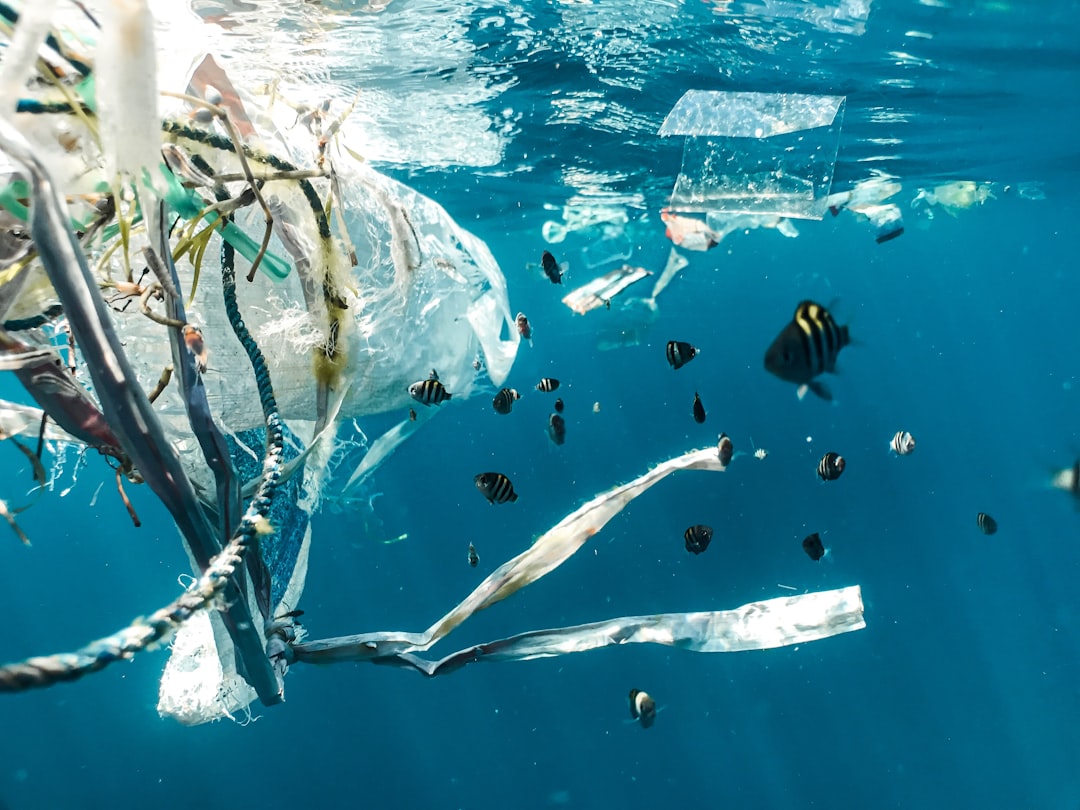
Photo by Naja Bertolt Jensen on Unsplash
When Arif Khan was a boy, the mangroves surrounding his village of Shundarban stretched for miles, a dense green wall that protected everything behind it from storms and erosion. He remembers fishing in the shallow channels, watching birds wheel overhead, listening to the sound of countless creatures making their homes in the tangled roots. By the time he turned thirty, almost none of it remained.
Shrimp aquaculture had arrived in the 1970s, promising prosperity. Instead, it delivered environmental catastrophe. Farmers carved out ponds, destroyed the mangroves that stood in the way, pumped out saltwater to flood the farms. The transformation happened fast—within a generation, the protective barrier that had sheltered the coast for centuries simply vanished. When Cyclone Sidr hit in 2007, it killed over 3,500 people in the region. Many of them lived in areas that, decades earlier, had been protected by the very trees that developers had cut down.
The Economics of Desperation
Here's what makes this story worth understanding: the destruction of these mangrove forests wasn't driven by ignorance or malice. It was driven by poverty. Shrimp farming offered quick money to people who had little. A hectare of shrimp ponds could generate $1,000 annually—an enormous sum for families living on less than $2 a day. The environmental cost was abstract. The financial benefit was immediate and concrete.
The government initially pushed these farms as a development strategy. Officials saw them as a path to economic growth, foreign currency, job creation. No one was particularly interested in the ecological mathematics: each hectare of mangrove forest destroyed meant losing a natural barrier against storms, losing fish breeding grounds, losing the birds and crocodiles and countless species that depended on these trees. The true cost of mangrove destruction wouldn't be measured for years—measured in lives lost during the next storm surge.
By 2000, Bangladesh had lost roughly 35% of its mangrove forests. In some regions, the figure exceeded 50%. The irony was bitter: the shrimp farms that had replaced them were becoming less productive anyway. Saltwater intrusion from the destroyed mangroves was contaminating agricultural land. Floods were worsening. The short-term gains were eroding into long-term collapse.
When Communities Fight Back
What happened next in Shundarban is the kind of story that rarely makes international headlines, which is precisely why it matters so much. Arif Khan didn't wait for government policy to change. In 2009, he started replanting mangroves on degraded shrimp farm land. He wasn't trained as an environmental scientist. He was just a man who remembered what the forest looked like and believed it could return.
He began small, working with a handful of neighbors. They planted saplings in a careful pattern, spacing them to mimic natural mangrove growth. The first year killed most of the seedlings. Saltwater levels were wrong. Soil conditions weren't ideal. But they kept trying, adjusting their methods based on what failed. By year three, they had survived mangroves covering about two hectares.
The work spread. What started as Arif's personal project became a community movement. Other former shrimp farmers realized something crucial: mangrove forests could be profitable without destroying them. The forests attracted fish, which meant better fishing. They provided firewood and other materials. They created tourism opportunities. Most importantly, they actually protected homes and lives during storms—something the shrimp farms never did.
Today, over 3,500 hectares of mangrove forest have been restored in and around Shundarban through community efforts. Local organizations now employ hundreds of people in restoration and management. The fish catches have improved. Storm surge damage has decreased. Property values in protected areas have increased, not because of speculation, but because people actually feel safer living there.
The Numbers Tell a Resurrection Story
The environmental recovery is measurable and remarkable. Species surveys from restored areas show the return of fish species that hadn't been seen in decades. Bird populations are increasing. The mangroves are sequestering carbon at the expected rate for mature forests—about 9.5 tons per hectare annually. That matters when you're trying to address climate change.
The storm protection value is equally significant. A mature mangrove forest can reduce wave height by up to 66% and slow storm surge velocity substantially. During Cyclone Amphan in 2020—a powerful storm that devastated parts of the region—areas protected by restored mangroves experienced 40% less damage than nearby unprotected areas. The economic value of that protection far exceeds what any shrimp farm ever generated.
If you want to understand why mangrove protection matters globally, understand this: these forests cover less than 1% of the world's coastlines but are home to roughly 25% of all marine fish species. They protect over 120 million people from coastal flooding and erosion. Yet we've managed to destroy roughly 50% of all mangrove forests in the past 70 years. We're still losing them at a rate of about 1% annually.
The Lessons Worth Learning
Shundarban's mangrove restoration succeeds because it addresses the economic reality that destroyed the forests in the first place. You can't ask impoverished communities to protect nature if protection means poverty. The restoration works because people discovered they could actually profit more from living mangroves than dead ones.
Arif Khan wasn't waiting for a global climate agreement or a change in international policy. He started with what was possible—one hectare, then another. He mobilized his community because the benefit was tangible and local, not abstract and global. That's how real environmental change often happens.
The mangrove forests of Shundarban are still recovering. They're still vulnerable. Climate change is creating new threats—rising sea levels, changing precipitation patterns, shifting seasons. But what's happening there proves that even severely damaged ecosystems can bounce back if we commit to the work. It proves that the economics of destruction can be reversed. Most importantly, it proves that communities, not distant governments or international organizations, are often best positioned to solve the environmental crises in their own backyards.
If you want to explore more about how human activity shapes our water systems, check out our investigation into how everyday products poison our waters—a reminder that environmental damage happens at every scale, from global forests to household drains.
Comments (0)
No comments yet. Be the first to share your thoughts!
Sign in to join the conversation.