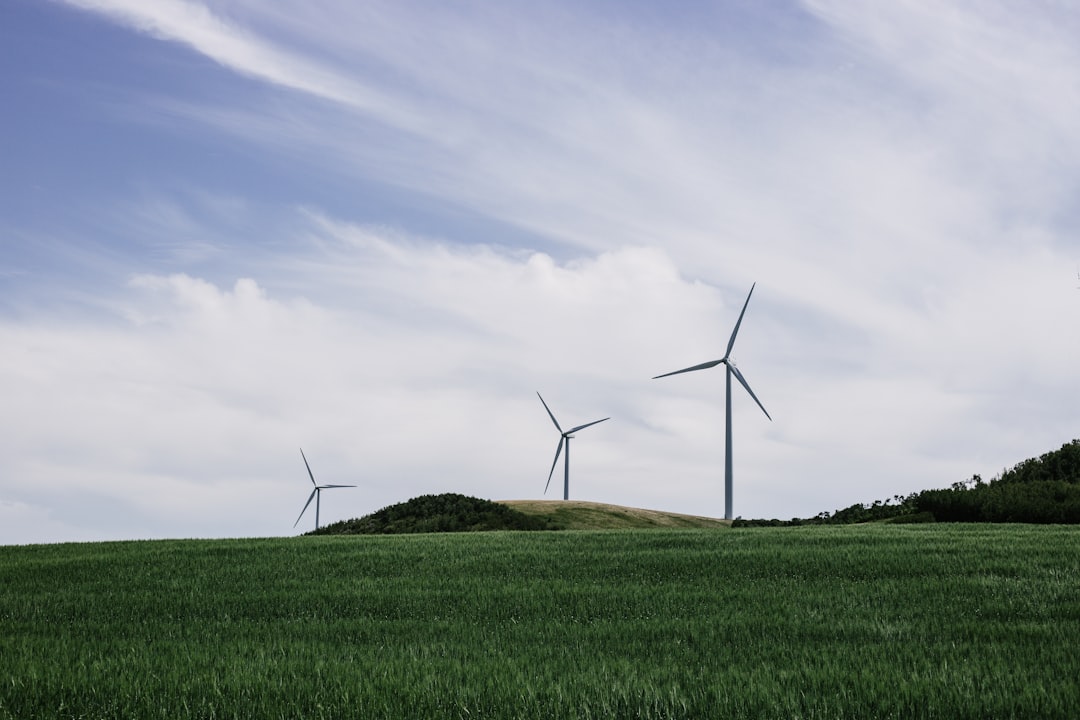
Photo by Priscilla Du Preez 🇨🇦 on Unsplash
Every summer, a graveyard the size of New Jersey forms in the Gulf of Mexico. Fish don't swim there. Crabs abandon it. Even bacteria struggle to survive in these oxygen-starved waters. What was once teeming with life becomes, quite literally, dead.
These "dead zones" aren't science fiction. They're expanding across the planet's waterways, and the culprit is hiding in something most of us never think about: fertilizer runoff from industrial agriculture.
What Exactly Is a Dead Zone?
A dead zone forms when water becomes hypoxic—meaning it contains dangerously low levels of dissolved oxygen. Think of it as underwater suffocation. When algae blooms explode due to nutrient overload, they eventually die and decompose. Bacteria consume the oxygen during this decomposition process, leaving behind a barren zone where nothing can survive.
The Gulf of Mexico's dead zone is the largest in the United States, but it's far from alone. The Baltic Sea experiences annual dead zones covering an area roughly the size of the state of Maryland. Lake Erie, one of the Great Lakes that supplies drinking water to 11 million people, has been battling these zones for decades. The Mississippi River, which drains agricultural runoff from America's heartland, essentially acts as a fertilizer delivery system straight into the gulf.
Here's what's staggering: there are now roughly 400 dead zones identified worldwide. That number has doubled since the 1960s. We're not just talking about distant ocean problems—dead zones are appearing in rivers near major cities, threatening food security and water supplies for millions.
Follow the Fertilizer Trail
The root cause is deceptively straightforward. Modern agriculture relies on nitrogen and phosphorus-based fertilizers to maximize crop yields. American farms alone use roughly 10 million tons of nitrogen fertilizer annually. When heavy rains fall—or when farmers apply fertilizer without proper management—these nutrients wash into nearby waterways.
What happens next follows a predictable chemical cascade. Nitrogen and phosphorus act like growth hormones for algae. Without these nutrients, algae growth is limited. But dump millions of tons into waterways, and you get what scientists call eutrophication: an algal explosion.
A farmer in Iowa might never see the consequences of his fertilizer choices. But that nitrogen he applies to his soybean field doesn't stay put. It percolates through soil, enters groundwater, and eventually reaches the Mississippi River. From there, it travels 1,200 miles to the Gulf of Mexico, where it triggers an algal bloom that suffocates marine ecosystems.
The economics make this problem particularly sticky. Farmers use fertilizer because it works. Nitrogen boosts crop yields by an average of 40-50%. When commodity prices are low and margins are razor-thin, cutting back on fertilizer feels like economic suicide. Meanwhile, the fertilizer companies have no financial incentive to encourage restraint.
The Ripple Effects Nobody Expected
Dead zones don't just kill fish. They collapse entire ecosystems and destroy the livelihoods of people who depend on healthy waterways. Louisiana's commercial fishing industry loses roughly $500 million annually due to the Gulf dead zone. Shrimpers, crabbers, and fish processors watch their harvests shrink as aquatic life migrates or dies.
The problem extends beyond the initial environmental damage. When we lose biodiversity in these zones, we lose genetic material that could be crucial for medicine, agriculture, and ecosystem resilience. Some of the organisms living in marginal aquatic environments might hold the key to combating diseases or developing hardier crops—but we'll never know if we destroy them first.
And here's an uncomfortable truth: the poorest communities are hit hardest. Indigenous communities relying on traditional fishing face cultural collapse as their food sources vanish. Developing nations dependent on coastal fishing for protein and employment watch their resources disappear while wealthy agricultural nations enjoy cheap fertilizer and food.
So What Actually Works?
The good news? Unlike some environmental problems, dead zones are actually solvable. We have the technology and knowledge right now. The hard part is changing behavior.
Smart fertilizer management can reduce runoff by 20-40% without sacrificing yields. Precision agriculture—using GPS and soil sensors to apply fertilizer only where needed—is already proving effective. Some farmers in the Corn Belt have adopted buffer strips along waterways and cover crops that absorb excess nitrogen before it reaches streams. These aren't radical ideas; they're practical adjustments with proven results.
The Everglades offers a success story worth noting. Phosphorus runoff from agricultural operations and urban development triggered massive dead zones. Through targeted restoration efforts and stricter fertilizer regulations, scientists have managed to stabilize and slightly improve conditions in some areas. It's not a complete fix, but it proves reversal is possible.
Policy interventions help too. Denmark implemented strict fertilizer regulations in the 1980s, and their dead zone in the Baltic Sea has actually shrunk. The European Union's Water Framework Directive has pushed member nations toward better agricultural practices. These aren't perfect solutions, but they demonstrate that regulations can work without destroying farming economies.
The Mississippi River Basin Program and similar initiatives are exploring comprehensive approaches: covering crops that absorb excess nitrogen, constructed wetlands that filter water naturally, and farmer incentive programs that reward conservation practices.
The Moment We're In
We're at a peculiar crossroads. We have more dead zones than ever, but we also have more awareness and better technology than ever before. The question is whether we'll act before these zones become permanent features of our planet.
Interestingly, this problem intersects with concerns about other forms of environmental contamination. The insect populations that depend on healthy aquatic ecosystems are also collapsing at alarming rates, creating compound ecosystem failures we're only beginning to understand.
The dead zones spreading across our waterways aren't inevitable. They're the result of choices—choices about farming practices, industrial processes, and environmental priorities. Different choices could reverse this trend within a generation. The question isn't whether we can fix dead zones. It's whether we will.
Comments (0)
No comments yet. Be the first to share your thoughts!
Sign in to join the conversation.