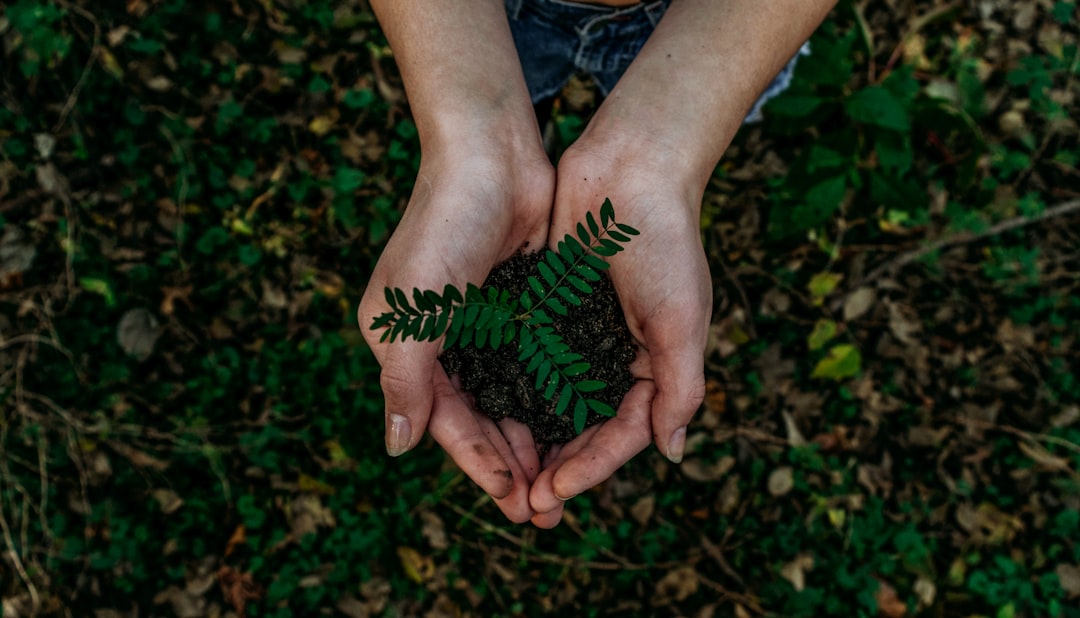
Photo by Noah Buscher on Unsplash
Marcus Chen didn't expect to become an environmental activist. Three years ago, he was just a software engineer in suburban Philadelphia who kept bees as a weekend hobby—a way to disconnect from screens and reconnect with nature. He had eight healthy hives producing golden honey that his neighbors loved. By autumn of 2022, only one remained viable.
"I remember walking out to the apiary in September," he told me over coffee, his voice still carrying the weight of that moment. "The hives were silent. Completely silent. That's not normal. Bees are loud—there's a hum, a constant activity. When there's nothing... you know something is very wrong."
Marcus's experience isn't unique. It's a microcosm of a crisis unfolding across North America. Beekeepers reported losing an average of 48% of their colonies during the 2022-2023 winter—the second-highest loss rate since the Bee Informed Partnership began tracking these numbers in 2006. Commercial beekeepers lost even more, with some operations reporting 60-70% colony collapse. These aren't just numbers on a spreadsheet. They represent the silent extinction of the insects responsible for pollinating roughly 75% of the world's food crops.
The Suburban Death Zone
What makes Marcus's story particularly instructive is that his bees didn't live in some rural agricultural wasteland. His apiary sat in one of America's most affluent zip codes, surrounded by manicured lawns, pristine cul-de-sacs, and residents who considered themselves environmentally conscious. This is precisely where the problem becomes visible.
Suburban neighborhoods have become ecological dead zones for pollinators, though few residents recognize it. The typical suburban lot—a monoculture lawn with perhaps a few ornamental plants—offers virtually nothing for bees to eat during critical months. A bee needs pollen and nectar from March through November in most of North America. A lawn provides zero nutrition.
"People think they're helping the environment by maintaining these perfect lawns," Marcus explained. "But they're actually creating a biological desert. Then they spray it with weed killer and insecticide to keep it perfect. You're essentially creating a toxic zone and wondering why there are no insects."
The data supports his frustration. A 2019 study published in the Journal of Applied Ecology found that suburban and urban areas with heavy pesticide use had bee populations 25% lower than unsprayed rural areas. But here's the twist: areas with unmaintained yards and native plantings sometimes had healthier bee populations than pristine agricultural land. The solution wasn't complexity—it was simply letting nature do its thing.
The Hidden Killer: Neonicotinoids and the Insecticide Trap
Marcus traced his colony collapse to a specific culprit: neonicotinoid pesticides. These synthetic chemicals, chemically similar to nicotine, are used on everything from lawn care products to garden plants sold at Home Depot. They're also heavily used on commercial crops like corn and soybeans.
Here's the problem: neonicotinoids don't just kill the "bad" bugs. They persist in the environment and accumulate in pollen and nectar. When bees visit flowers that have been treated with these chemicals—or nearby flowers that have collected dust from treated plants—they ingest sub-lethal doses. These doses don't kill the bee immediately. Instead, they damage the bee's nervous system, impairing navigation, reproduction, and immune function.
"It's like slowly poisoning someone," Marcus said. "The bee doesn't die from a single flower. It dies because it can't find its way home, or it gets sick because its immune system is shot, or the queen can't lay healthy eggs. You see colony collapse, but the cause is invisible."
The European Union banned neonicotinoids in 2018. The United States has not, despite mounting evidence of harm. The EPA has been reviewing the chemicals since 2015, but no restrictions have been implemented. Meanwhile, homeowners continue buying neonicotinoid-laced plants and pesticides without any warning about their impact on pollinators.
Marcus discovered this the hard way. His neighbor, unaware of the consequences, had hired a lawn service that applied neonicotinoid-based insecticide to eliminate grubs. The chemical drifted and settled on flowering plants within 50 feet—directly adjacent to Marcus's apiary. Within weeks, his bees showed signs of stress. By winter, most had died.
What One Beekeeper Did to Fight Back
Rather than accept defeat, Marcus transformed his grief into action. He started a neighborhood campaign called "Pollinator Friendly Suburbs," educating his community about the hidden costs of perfect lawns. He replaced his own lawn with native plants—milkweed, black-eyed Susans, bee balm, and native wildflowers. His yard now looks "messy" by suburban standards, with tall grasses and sprawling plants. It also attracts forty-seven different pollinator species, including bees, butterflies, and native wasps.
He convinced three neighbors to do the same. Now, walking down his street, you'll see five homes that look distinctly different from the rest—less like a manicured resort, more like a mini nature preserve. His new bee colonies, installed two years ago, are thriving. All eight hives survived last winter.
"The transformation took about two seasons," he explained. "But now I have bees, I have butterflies, I have fireflies again. My kids actually see insects. That sounds basic, but most suburban kids never see a real insect in nature anymore."
Marcus's experience connects to broader environmental concerns. If you want to understand how our everyday choices affect ecosystems, consider reading about why your houseplants are dying and what that says about Earth's future—a similar story of how disconnection from natural systems creates cascading consequences.
The Path Forward Isn't Complicated
The irony of the bee crisis is that the solution is almost comically simple: stop poisoning them, and let some plants grow. No complex technology required. No billion-dollar infrastructure needed.
Individual actions matter. Choosing native plants, eliminating pesticides, leaving dead wood for cavity-nesting bees, and planting flowers that bloom at different times throughout the season directly supports pollinator populations. Collectively, these individual choices can create habitat corridors that span entire neighborhoods and cities.
But individual action alone isn't enough. Policy changes—like the EU's neonicotinoid ban—matter enormously. So does pressure on the EPA to finally regulate chemicals that we already know harm pollinators. And perhaps most importantly, we need a cultural shift away from the idea that a "good" lawn is a monoculture, pesticide-dependent, biologically dead rectangle of grass.
Marcus still keeps bees. His colonies are healthy now. But he's also grieving the years of unnecessary colony collapse, the billions of bees that died while regulatory agencies debated the evidence. "We already know what we need to do," he said. "We're just choosing not to do it."
The question isn't whether we can save the bees. The question is whether we will.
Comments (0)
No comments yet. Be the first to share your thoughts!
Sign in to join the conversation.