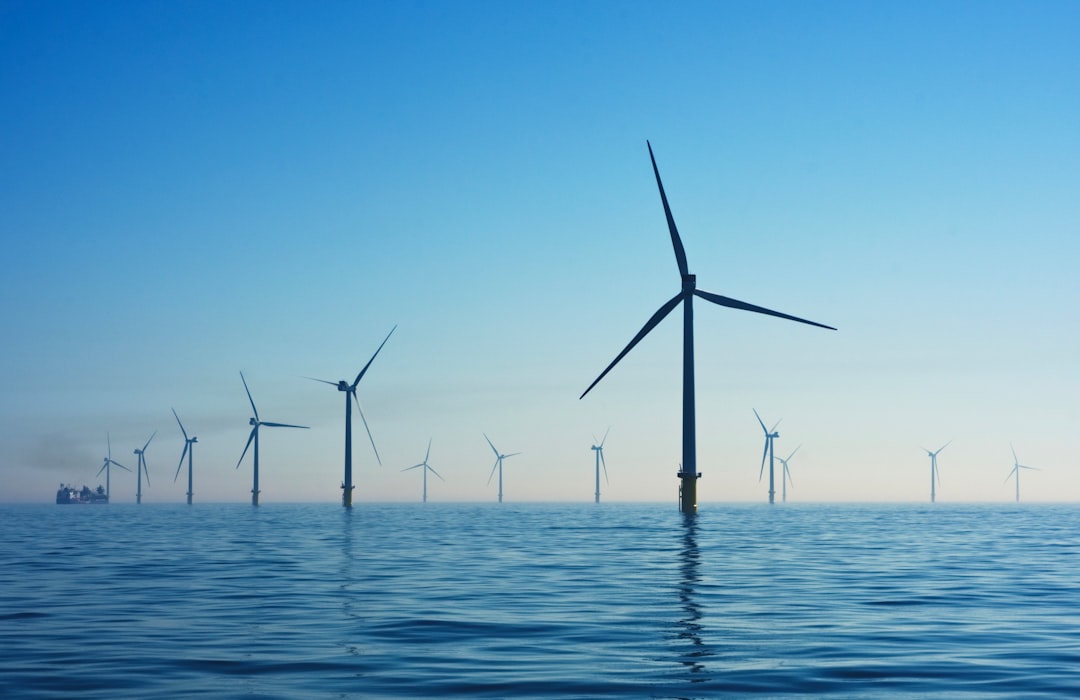
Photo by Nicholas Doherty on Unsplash
Every summer, a phenomenon occurs in shallow coastal waters around the world that hardly anyone notices. Seagrass meadows—those sprawling underwater gardens that look deceptively ordinary—are quietly working overtime to solve one of humanity's biggest problems. They're trapping carbon at a rate that would make any rainforest jealous. Yet as you read this, we're destroying them at a pace equivalent to losing a football field every hour.
The Carbon-Trapping Powerhouse Nobody Talks About
Picture this: a meadow of seagrass in the Mediterranean or off the coast of Western Australia. It doesn't look like much—just wispy green blades swaying with the tide. But beneath that humble appearance lies one of nature's most efficient carbon-capture systems. Seagrass meadows store carbon at a rate of 2 tons per hectare per year, compared to forests which manage around 0.4 tons per hectare annually. That's roughly five times more effective.
The mechanics are surprisingly elegant. Unlike terrestrial plants that release stored carbon back into the atmosphere when they decompose, seagrass has a different fate. When seagrass dies and decomposes underwater, the carbon gets locked away in sediments, often remaining there for thousands of years. This process, known as blue carbon sequestration, means these plants are essentially performing permanent climate work without requiring any human intervention or maintenance.
The numbers are staggering when you zoom out. Seagrass meadows cover only about 0.1% of the ocean floor, yet they're responsible for sequestering roughly 10% of the ocean's carbon. To put it another way: while the Amazon rainforest gets all the headlines and funding, these underwater meadows are quietly doing equivalent climate work with almost zero recognition or protection.
We're Destroying Them Faster Than We're Planting Trees
The bad news arrives with depressing consistency. Studies show that seagrass meadows are vanishing at a rate of 1.5% annually—seven times faster than rainforests are being lost. In some regions, the situation is catastrophic. The Mediterranean has lost approximately 50% of its seagrass meadows in the last two centuries, primarily in the past 50 years.
The culprits are frustratingly mundane. Coastal development ranks first—harbors, marinas, and beachfront construction destroy habitat directly. Boat anchors and propellers shred meadows with careless frequency. Nutrient runoff from agricultural areas creates dead zones where seagrass can't survive. Pollution, fishing practices, and rising water temperatures complete the grim picture.
What makes this particularly infuriating is the invisibility factor. When a rainforest vanishes, satellite images capture the tragedy. News crews document the devastation. But seagrass meadows disappear beneath the waves, literally out of sight and out of mind. Coastal residents often have no idea what they're losing because they can't see it. The destruction happens silently, one anchor drop at a time.
Consider what happened in Moreton Bay near Brisbane, Australia. Between 2016 and 2017, heat waves caused water temperatures to spike. The result? Approximately 32,000 hectares of seagrass meadow simply vanished. That's equivalent to losing an area larger than Malta in a single season. The economic damage was estimated at $64 million, yet it barely registered in international news cycles.
The Ripple Effects Go Way Beyond Climate
Here's what deserves more attention: seagrass meadows aren't just climate heroes—they're ecological powerhouses with far-reaching consequences. These underwater gardens serve as nurseries for commercially important fish species. Roughly 25% of global fish catches depend on seagrass meadows at some point in their lifecycle.
That means when seagrass disappears, so does the food security for millions of people. Coastal communities that depend on fishing face direct economic and nutritional consequences. The fisheries that sustain these communities are literally rooted in these meadows, even if they don't realize it. As a related issue affecting food systems globally, the salmon are disappearing, and your dinner plate is getting smaller—and seagrass loss plays a contributing role in these broader ocean system collapses.
Beyond fisheries, seagrass meadows protect coastlines from erosion and storm surge. They filter water and improve clarity. They provide habitat for thousands of species, from seahorses to seabirds. They're oxygen factories. In many ways, they're the infrastructure that keeps coastal ecosystems functioning. Remove them and everything downstream fails.
Why Restoration Efforts Are Finally Gaining Momentum
The good news—and there is some—is that seagrass restoration is becoming increasingly viable and cost-effective. Countries like Indonesia, Australia, and several Mediterranean nations have launched ambitious restoration programs. Unlike rainforest restoration, which can take decades and require enormous resources, seagrass meadows can regenerate relatively quickly if conditions are right.
In 2023, researchers in the Mediterranean successfully restored seagrass meadows at a fraction of previously estimated costs. The key was addressing the root causes: reducing coastal pollution, implementing boat traffic restrictions, and establishing protected zones. When these conditions improved, the seagrass bounced back faster than anyone expected.
The financial incentive is also starting to align with conservation needs. Carbon markets are beginning to recognize blue carbon, meaning organizations can monetize seagrass conservation efforts. This creates a sustainable funding model that doesn't rely solely on government budgets or philanthropic goodwill.
What Actually Needs to Happen
Saving seagrass meadows requires action at multiple levels. Coastal communities need zoning regulations that protect meadows from boats and development. Farmers need incentives to reduce nutrient runoff. Tourism needs to be managed carefully in seagrass-rich areas. International agreements should treat seagrass with the same priority as rainforests.
Individually, if you live near a coast, you can support local conservation organizations focused on seagrass protection. You can advocate for marine protected areas in your region. You can demand that your government recognize blue carbon in climate commitments. These seem small, but when multiplied across millions of people, they create political pressure that drives policy change.
The reality is stark: seagrass meadows are doing essential climate work while receiving minimal recognition or funding. We've built an entire environmental movement around saving rainforests—which is absolutely necessary—but we've almost completely ignored these underwater carbon vaults that are equally crucial. That imbalance needs correcting, and it needs correcting now, before we lose more of these irreplaceable ecosystems to apathy and ignorance.
Comments (0)
No comments yet. Be the first to share your thoughts!
Sign in to join the conversation.