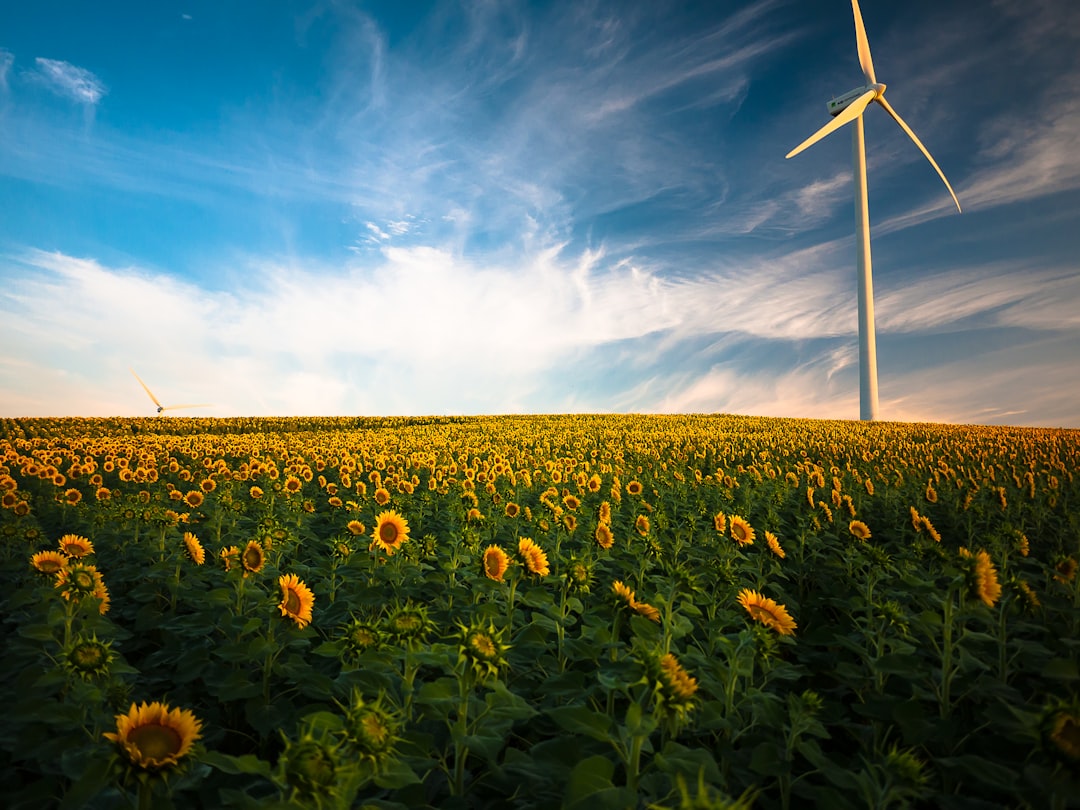
Photo by Gustavo Quepóns on Unsplash
Last spring, I climbed seven flights of stairs to the rooftop of a converted warehouse in Brooklyn and found myself standing in what looked like a slice of upstate meadow. Purple coneflowers swayed in the breeze. Native grasses rustled. A monarch butterfly—an actual, living monarch—drifted past my shoulder. The surreal part? Below this rooftop oasis stretched the familiar chaos of the city: car horns, sirens, the hum of millions of people living on top of each other.
This rooftop, managed by a nonprofit called Halcyon Gardens, represents something quietly revolutionary happening across American cities. While most of us stare at our phones and complain about urban sprawl, a growing movement is turning the very infrastructure that created the sprawl into habitats for wildlife that's been driven to the brink.
The Concrete Problem That Started This All
Here's the thing about cities: they're devastating for wildlife. Asphalt and concrete don't just cover land—they create heat islands that spike temperatures 5 to 7 degrees Fahrenheit higher than surrounding areas. Buildings fragment populations of birds, pollinators, and small mammals into isolated groups with nowhere to go. Roofs, which cover roughly 25 to 50 percent of urban areas depending on the city, are basically biological dead zones. They're hot, barren, and about as welcoming to life as a parking lot at noon.
For decades, this was just accepted as the cost of city living. You wanted dense urban areas? Fine, but animals were out of luck. Then someone had a thought that seems obvious in retrospect: what if we used all that wasted rooftop space to actually help?
The concept isn't entirely new. Germany has required green roofs on certain buildings since the 1970s. But it's only in the last ten years that American cities have started treating rooftop rewilding as a serious conservation strategy, not just a nice aesthetic touch.
From Garden Hobby to Conservation Powerhouse
Toronto started counting, and the numbers were stunning. The city's approximately 20 million square meters of rooftop space could theoretically support 94 percent of the plant species found in the Greater Toronto Area if converted to green spaces. That's not a metaphor—that's a literal second chance for native ecosystems to exist in the heart of an urban area.
New York City, never one to do anything halfway, set an ambitious goal in 2019 to green one million rooftops by 2050. Chicago's Green Roofs Initiative has already greened over 550 buildings. Milwaukee, Philadelphia, and Denver all have active programs. These aren't small-scale hobby projects anymore. They're infrastructure investments.
What makes this different from just planting some flowers in a pot? Real rooftop rewilding uses native species—plants that evolved to thrive in specific regions without constant human intervention. A rooftop in the Midwest gets native prairie plants. A rooftop in the Northeast gets native woodland understory plants. This isn't about making things pretty; it's about creating functional ecosystems.
What's Actually Living Up There
The wildlife response has been immediate and measurable. Monarch butterflies, whose populations have crashed by over 80 percent in the last two decades, have discovered these rooftop habitats as critical rest stops during migration. Native bees—not honeybees, but solitary bees and bumblebees that are absolutely essential for pollinating wild plants—have moved in. Some rooftops are now home to ground-nesting birds.
One rooftop in Washington D.C., converted from bare membrane in 2015, now supports 18 plant species, 12 insect types, and attracts migrating warblers. A similar green roof in Philadelphia provides habitat for over 30 native plant species. These aren't pristine wilderness, but they're something—and for many urban species, something is better than the nothing they've had for decades.
The benefits extend beyond wildlife. Green roofs reduce stormwater runoff by up to 70 percent, which reduces the burden on overtaxed urban sewer systems and helps prevent the flooding that's becoming more common with climate change. They provide insulation, cutting building energy costs by 20 to 30 percent. They reduce the urban heat island effect. They're essentially free environmental investment.
The Real Challenge Isn't Money
If this all sounds too good to be true, there's a catch. It's not money—governments and nonprofits have figured out funding. The real barrier is coordination and knowledge.
Most property owners don't know how to convert their roofs. Building codes in some cities still don't accommodate green roofs. Landscapers trained in traditional lawn care don't know how to maintain native plant communities. Structural engineers need to assess weight capacity. It's a coordination problem, not a resources problem.
But that's actually fixable. New York's rooftop rewilding initiative is working with contractors to develop best practices. Other cities are creating rooftop design guides. Philadelphia has trained hundreds of contractors in green roof installation.
The real work is something more fundamental: convincing property owners that their roofs matter. That a rooftop isn't just sunk costs and occasional maintenance—it's potential habitat. It's a chance to be part of something larger than the building itself.
Standing on that Brooklyn rooftop again last week—the garden has expanded since my first visit—I watched a native bee work a patch of blazing star flowers while the city hummed below. It struck me that this is what adaptation looks like. Not abandoning cities to nature, but weaving nature back into the cities we've already built. We can't restore the forests we cleared. But we can create new homes for the species that refuse to disappear. All it takes is looking up.
For more on how human activity is disrupting aquatic ecosystems, check out our article on why dead zones are expanding in our oceans and what's actually creating them—because urban rewilding efforts will only succeed if we're also addressing coastal environmental collapse.
Comments (0)
No comments yet. Be the first to share your thoughts!
Sign in to join the conversation.