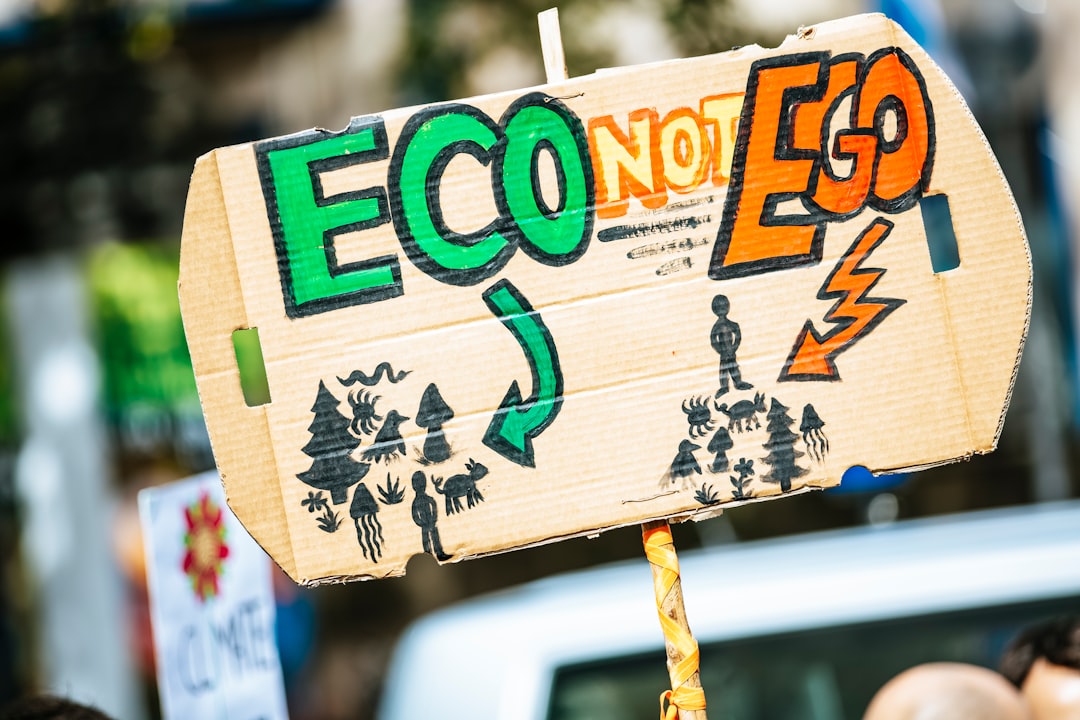
Photo by Markus Spiske on Unsplash
The Concrete Paradox: Why Cities Are Becoming Nature's Unlikely Saviors
When Maria Chen first noticed the foxes in her London neighborhood three years ago, she thought she was imagining things. The red foxes—creatures she associated with rural farmland—were trotting down her suburban street at dusk, navigating between gardens as casually as commuters on the Tube. She wasn't alone in her surprise. Across the city, residents were documenting urban wildlife sightings that would've seemed impossible a decade earlier: badgers in Birmingham, wild boar in Berlin, and coyotes in Los Angeles that had never seen a forest.
This isn't accidental. Cities aren't accidentally becoming wildlife havens. What's happening is far more intentional and ingenious than that.
The fundamental shift came when conservation scientists realized something counterintuitive: protecting isolated nature reserves wasn't working. Animals need networks, not islands. A tiger preserve in India means nothing if tigers can't reach it from neighboring regions. A forest fragment in the Amazon saves a few species but not the ecosystem. But cities? Cities already connect everything. They're networks by design. So the question became radical: what if we rewired cities specifically to channel wildlife through them?
Building Highways for Creatures Who Never Asked for Concrete
Singapore's approach is so ambitious it borders on science fiction. The city-state launched its National Biodiversity Strategy in 2018 with a deceptively simple concept: the Park Connector Network. But instead of just connecting parks for humans, they're designing these corridors specifically as wildlife highways. Native trees create canopy coverage. Native plants at ground level provide food. Water features support amphibians and insects. The result? A living arterial system running through the entire island where animals can move between preserved green spaces without ever touching exposed concrete.
The data backs this up. Singapore has documented increasing populations of sambar deer, monitor lizards, and paradise tree snakes—species that were functionally extinct in urban areas just fifteen years ago. The trick wasn't creating new habitat. The trick was connecting existing habitat and creating safe passage between them.
Toronto adopted a similar philosophy but adapted it for the boreal region. The city created what they call the Ravine System Strategy, where ravines—natural valleys that already contain water and vegetation—are actively maintained as wildlife corridors. They removed barriers like fences, created wildlife underpasses beneath roads, and restored native understory plants. Within five years, moose sightings increased, beaver populations rebounded, and black bears that had never been recorded in the city began seasonal migration patterns through these ravines.
These aren't accidents. They're engineered. And they work.
The Unexpected Side Effect: Green Infrastructure That Saves Money
Here's where urban rewilding becomes irresistible to city planners who don't particularly care about foxes. The money argument is staggering.
Melbourne's Stormwater Harvest program includes restored wetlands, rain gardens, and permeable surfaces throughout the city. These features slow water runoff during heavy rains, reducing flooding and the catastrophic sewage overflows that plague aging cities. The environmental benefit? Fish populations in urban creeks jumped from near-extinction to thriving. The financial benefit? The city avoided $1.2 billion in new drainage infrastructure investment. That's not environmental charity. That's infrastructure that pays for itself while also supporting wildlife.
Barcelona took this further. They planted over a thousand new trees and created green roofs on municipal buildings, specifically targeting species that support pollinators. These green spaces reduce urban heat island effect (lowering cooling costs for nearby buildings by 2-4 degrees Celsius), filter air pollution, and support populations of native bees that pollinate urban gardens and parks. The city government found that for every euro spent on these installations, they got €4.30 in ecosystem service value—mostly from avoided climate control costs and improved public health.
When you frame rewilding as infrastructure investment rather than environmental luxury, suddenly every city council is interested.
The Unexpected Trouble: Not All Urban Wildlife Is Welcome
The rewilding success story has a messy underside that gets less attention. More wildlife in cities doesn't mean more of the charismatic megafauna people want to see.
New York City's rat population has exploded as the city expanded green corridors and invested in street tree programs. Why? Because the conditions that support birds and small mammals also support rats. The city has seen three times as many rat complaints in areas with extensive green infrastructure. This created a genuine dilemma: support rewilding that benefits thousands of species, or prioritize human comfort by eliminating the rodents that come with it?
Barcelona faced similar backlash when populations of wild boar began entering residential areas at night, overturning garbage cans and occasionally becoming aggressive when cornered. The answer wasn't to remove the boar or destroy the green corridors—it was better urban design. Reinforced garbage containment, electric fencing in key areas, and managed hunting in peripheral zones.
This is the uncomfortable truth about urban rewilding: nature isn't curated. You don't get to request only the species you find attractive. You get the whole system.
What's Coming Next: The Rewilded City of 2035
The trajectory is clear. Toronto is planning to convert parking lots into pocket wetlands. Singapore is expanding its Park Connector Network to cover 80% of the island by 2030. Copenhagen is reimagining its industrial waterfront as a massive tidal wetland that will support migratory birds while also serving as a recreation area for humans.
The cities leading this charge aren't doing it primarily for moral reasons. They're doing it because it's cheaper, it makes cities more resilient to climate change, it improves public health, and it creates the kind of livable environments that attract talented workers and investment.
The environmental bonus—the fact that you're also creating connected habitat networks that could help species survive climate change, that you're supporting ecosystem functions like pollination and pest control, that you're literally rewilding entire regions—that's the plot twist that makes this genuinely exciting.
If you want to understand how climate resilience actually works in practice, check out The Ghost Forests Rising from Our Coasts: How Sea Level Rise Is Turning Trees into Tombstones—it shows what happens when we don't adapt urban systems in time.
The cities that will thrive in the coming decades won't be the ones with the most concrete. They'll be the ones that figured out how to share their space with the other species that need to survive too.
Comments (0)
No comments yet. Be the first to share your thoughts!
Sign in to join the conversation.