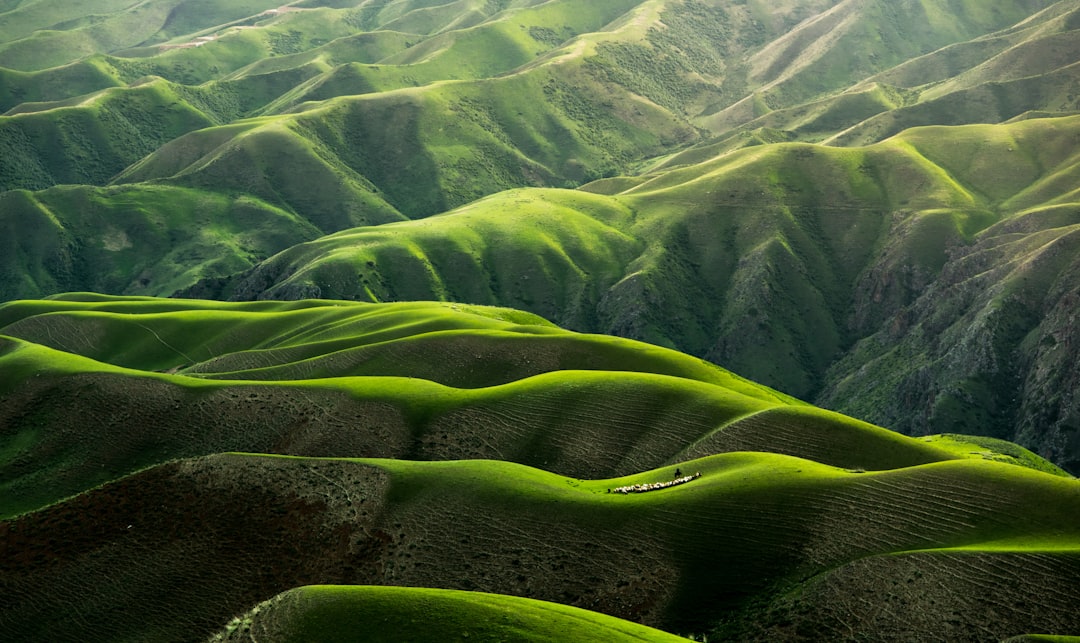
Photo by Qingbao Meng on Unsplash
The Cuyahoga River caught fire. Not metaphorically. Not as some poetic exaggeration. On June 22, 1969, the water itself literally burned—flames reaching five stories high, consuming the river's surface with such violence that it scorched the steel railroad bridge spanning above it. The image became synonymous with American environmental catastrophe, splashed across every major newspaper and television screen. But here's what most people don't know: that fire was actually the wake-up call that worked.
Fifty years later, I stood on the banks of that same river in Independence, Ohio, watching great blue herons stalk through restored marshland while painted turtles basked on logs. The transformation feels like witnessing a miracle, except it's not magic—it's methodical, often unglamorous work by people who simply refused to live alongside a dead river anymore.
When a River Becomes a Punchline
Before the fire, the Cuyahoga had been slowly murdered for decades. Steel mills, chemical plants, and refineries lined its banks, treating it as a convenient dumping ground for industrial waste. By the 1960s, the river was so polluted that fish couldn't survive in it. The water changed colors depending on whatever chemicals had been discharged that week—sometimes orange, sometimes green, occasionally a sickly brown. Local kids called it "the river that runs backwards," because the flow reversal from pollution made it seem unnatural in every conceivable way.
The 1969 fire, as catastrophic as it was, became the lightning rod moment. Environmental legislation followed. The Clean Water Act passed in 1972. The EPA was established. Suddenly, rivers that ran on fire became a symbol of everything wrong with industrial America, and public opinion shifted dramatically.
But legislation and public shame don't actually clean rivers. People do.
The Unglamorous Business of Restoration
In 1986, the Cuyahoga Valley National Park was established, creating a protected corridor through Northeast Ohio. The park itself would become the laboratory for one of the most ambitious river restoration projects in American history. But the real work started much earlier, with volunteer organizations like the Cuyahoga River Community Connection identifying specific problem areas and developing concrete solutions.
What does river restoration actually look like? It's not dramatic. It's removing contaminated sediment—sometimes thousands of tons of it. It's stabilizing eroded banks with native vegetation instead of concrete walls. It's installing fish passages around dams. It's treating industrial runoff before it reaches the water. It's replanting wetlands that had been drained for development decades earlier. Each project takes months or years. Most happen without fanfare or recognition.
The Independence site where I observed those herons specifically involved constructing 22 acres of wetlands using specially engineered cells designed to filter pollutants while creating habitat. A team of scientists, engineers, and volunteers worked for three years before a single heron showed up to appreciate their efforts. The project cost $8.7 million and required coordination between multiple government agencies, nonprofits, and private donors. The heron didn't send a thank-you note.
Yet something remarkable happened. Once the wetlands matured, they began functioning like a kidney for the river—filtering sediment, reducing nutrient loading from agricultural runoff, and creating breeding grounds for fish that had vanished decades earlier. Native species didn't just return; they thrived.
From Isolated Victory to Systemic Change
The Cuyahoga restoration didn't happen in a vacuum. Parallel efforts up and down the river—from Akron upstream to Cleveland downstream—created cumulative improvements that reversed the river's death spiral. Fish populations began rebounding. Water quality metrics improved year after year. Boating became possible again. People actually wanted to spend time near the water.
Today, the Cuyahoga supports more than 80 species of fish, compared to virtually none in the 1960s. Bald eagles, absent for decades, now nest in the region again. The river doesn't catch fire anymore—which sounds like a low bar, but it represents something profound: a complete reversal of trajectory.
The project also revealed something crucial about environmental restoration: it requires sustained commitment beyond the initial excitement. The initial fire generated headlines for weeks. The actual river cleanup took decades and required constant funding, political will, and community involvement even when nobody was paying attention. That's the part that never makes for compelling news coverage.
What This Means for Rivers Near You
The Cuyahoga story isn't unique, though it might be one of the most dramatic. Similar restoration projects are underway across America—from the Hudson River to the Los Angeles River to the Flint River in Michigan. Each teaches the same lesson: rivers that humans have damaged can be healed, but only through deliberate, sustained action.
Some of these efforts could use your involvement. Many communities have local river advocacy groups that organize cleanup days, monitor water quality, or push for stronger protections. The work doesn't require specialized training—just willingness to show up.
The irony is that the Cuyahoga's recovery demonstrates something environmental activists have struggled to communicate: prevention is cheaper than remediation. All that money spent cleaning up the Cuyahoga—hundreds of millions of dollars across decades—could have been saved by imposing proper regulations in the first place. The same applies to pollution, habitat destruction, and climate change. We have the tools. We have the knowledge. Often, what we lack is simply the collective decision to act before things become so damaged they require heroic restoration efforts.
If you're interested in how local actions create environmental change, you might also find value in learning how your houseplants are actually fighting climate change and why we should care—understanding environmental benefits at every scale helps build momentum for larger initiatives.
The next time you see a river you assume is dead, remember the Cuyahoga. Remember that fire. Remember that it took fifty years of difficult, sometimes invisible work to bring it back. Then ask yourself: what river in your region needs that same commitment?
Comments (0)
No comments yet. Be the first to share your thoughts!
Sign in to join the conversation.