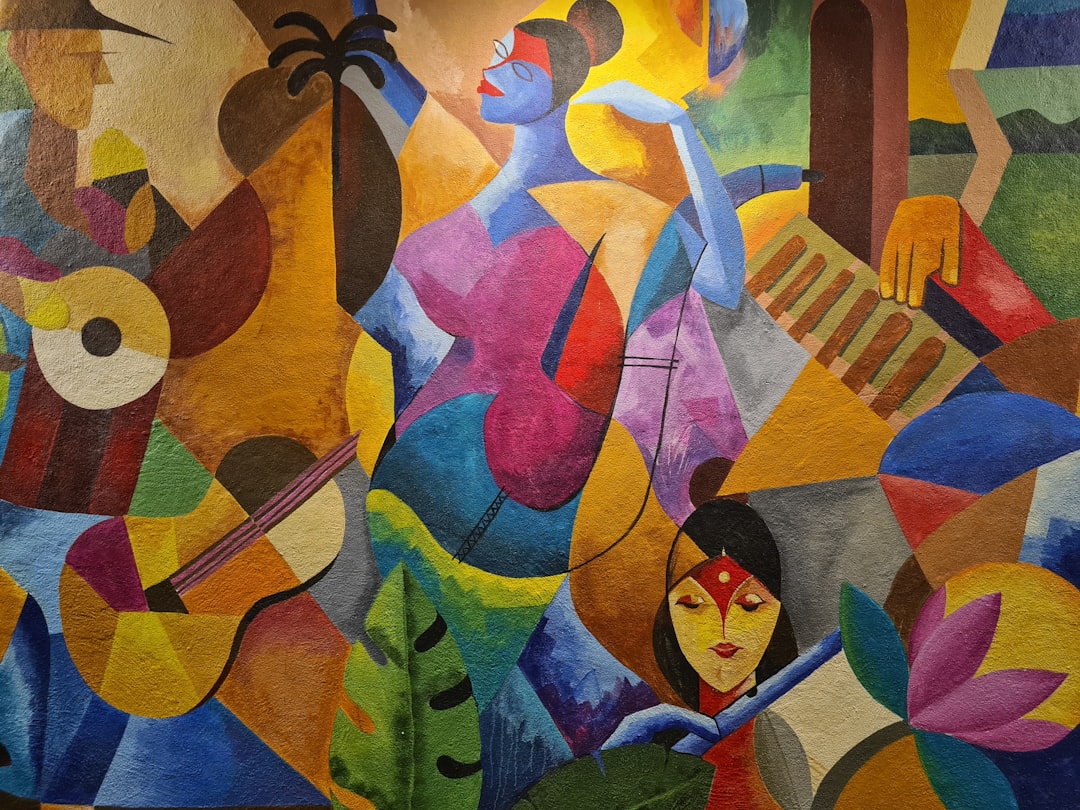
Photo by Mayur Deshpande on Unsplash
Last summer, my friend Sarah spent $340 on linen aprons. Not one apron. Three. She doesn't bake bread. She doesn't even have a cottage. She lives in a one-bedroom apartment in Brooklyn with exposed pipes and a radiator that sounds like a dying animal. Yet there she was, photographing herself in a prairie dress next to her IKEA bookshelf, captioning it with quotes about "simple living" and "the peaceful life."
She's not alone. Cottage core—that dreamy aesthetic of butter churns, wildflower fields, vintage homesteading, and an oddly romanticized version of agricultural life—has exploded from niche Pinterest boards into a full-fledged cultural movement. The hashtag #cottagecore has 18.4 billion views on TikTok. Etsy shops selling "cottagecore starter packs" can barely keep inventory in stock. Urban professionals are genuinely arguing about the best way to preserve vegetables they don't grow.
So what's actually happening here? Why are we collectively fantasizing about a lifestyle that most of us would last approximately 45 minutes in before craving WiFi and cold brew coffee?
The Perfect Escape from an Imperfect Present
Cottage core emerged as a major aesthetic around 2018, but it absolutely exploded during the pandemic. When we were all locked inside our apartments, scrolling endlessly through our phones, the internet filled with images of sunlit cottages, fresh bread cooling on windowsills, and women in linen dresses reading books beside open windows. It wasn't accidental. It was cathartic.
"People were stressed, anxious, and uncertain about the future," explains Dr. Natalie Peterson, a cultural studies researcher who has actually published work on escapist aesthetics. "Cottage core offered a vision of life where the biggest concern was whether your herbs were drying properly. That's incredibly appealing when the real world feels chaotic."
The appeal makes sense. Our actual lives involve Zoom fatigue, algorithmic anxiety, climate dread, and the constant low hum of existential uncertainty. Cottage core promises a world where time moves slower, where success is measured in jars of preserves rather than quarterly earnings reports, and where your biggest accomplishment is tending a garden. It's not just pretty. It's therapeutic.
But here's the thing: cottage core isn't actually about wanting to live that life. If it were, we'd see people actually leaving cities, buying farmland, and learning animal husbandry. Instead, we're seeing millennials and Gen Z buying expensive "cottagecore aesthetics" items—butcher block cutting boards, cast iron skillets, vintage jugs—and using them as props in their actual modern lives. The fantasy is the point.
A Sanitized, Aestheticized Past
There's something deeply interesting (and troubling) about what cottage core chooses to romanticize—and what it conveniently ignores.
Historical cottage life was often brutal. People worked from sunrise to sunset for subsistence living. Child mortality was high. Women had virtually no autonomy. Disease was rampant. Dental hygiene was non-existent. Yet cottage core presents a version of this era that's been scrubbed clean, filtered through Instagram's Valencia filter, and stripped of any genuine hardship.
What we're actually romanticizing is the aesthetic of that era—the clothes, the architecture, the craftsmanship—without the reality. We want the Instagram version of pastoral life. And honestly? That's pretty human. We've always done this. Every generation has mythologized some imagined "better time." Cottage core is just doing it with better photography and broader accessibility.
The movement also erases the actual lived experiences of rural people. Cottage core strips away the real agricultural labor, the economic struggles of farming communities, the genuine isolation that rural life can entail. What remains is a fantasy—one that's curiously class-coded. Real cottage core aesthetics require money: expensive linen, hand-crafted items, vintage furniture, time for "leisurely" bread-making.
The Dark Corners Nobody Talks About
If you spend enough time in cottage core communities online, you'll notice something uncomfortable lurking beneath the wildflowers and butter churns: a lot of the movement has strong ties to "tradwife" culture and conservative ideology about women's roles.
Some cottage core spaces have become havens for people advocating for traditional family structures, "traditional femininity," and a specific vision of womanhood that looks suspiciously like "women should be home, cooking and looking pretty." There's overlap with "trad" culture, which explicitly celebrates traditional gender roles as superior to modern equality.
This doesn't mean all cottage core enthusiasts hold these views—most don't. But it's worth acknowledging that aesthetic movements exist within political contexts, and some people are absolutely using cottage core's softness and dreamy quality to promote harder ideological positions. The pretty packaging makes the message easier to swallow.
So Is Cottage Core Actually Bad?
Not necessarily. There's real value in escapism, in creating spaces of beauty, in slowing down enough to appreciate handmade things. Similar to how people find connection through the therapeutic practices of nurturing houseplants, cottage core aesthetics can actually improve mental health by creating calming environments and encouraging mindfulness.
The problem arises when the fantasy becomes ideology. When cottage core stops being "I enjoy the aesthetic" and starts becoming "this is how women should actually live," we've crossed into dangerous territory. When it becomes a way to market unattainable lifestyles to people struggling with real economic hardship, that's worth examining.
But Sarah in her Brooklyn apartment, buying aprons and feeling peaceful when she looks at them? That's fine. That's just someone finding a little joy in a chaotic world. And maybe that's what cottage core actually is: permission to create beauty and slowness in our lives, even if we can only do it in small, imperfect ways.
The wildflowers aren't real. The butter isn't being churned. But the feeling of peace when you look at the photo? That part might actually matter.
Comments (0)
No comments yet. Be the first to share your thoughts!
Sign in to join the conversation.