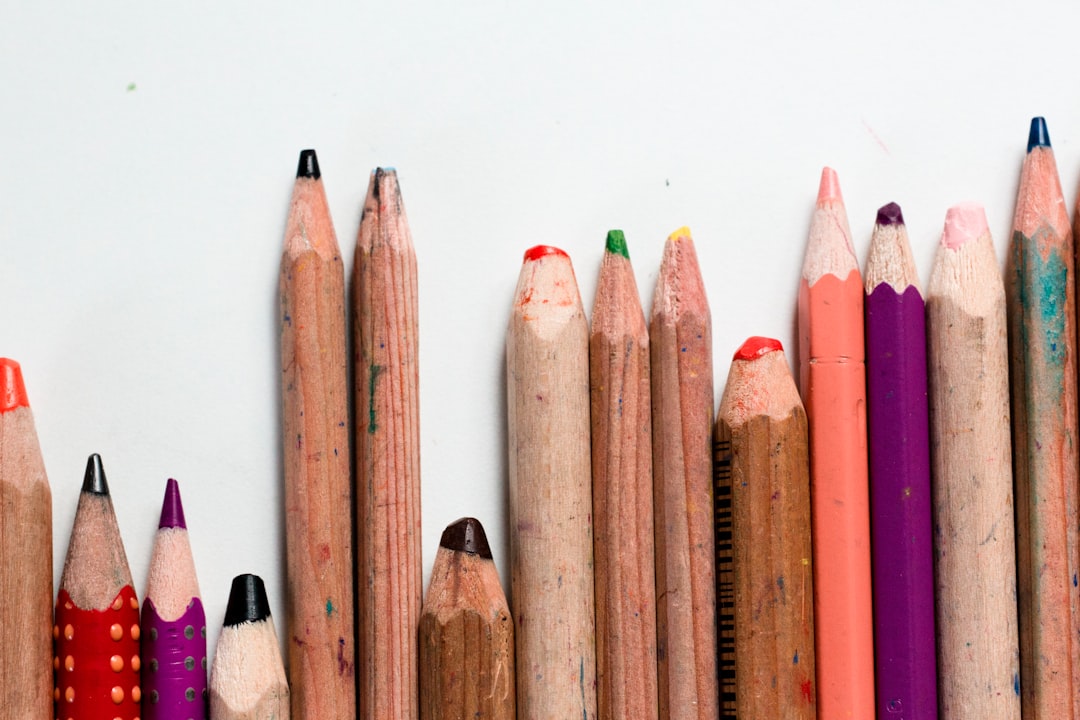
Photo by Markus Spiske on Unsplash
The storage unit industry is booming. According to the Self Storage Association, there are now over 50,000 storage facilities across the United States, and millennials are renting them at rates that would make our parents' generation blush. But this isn't really about needing extra space. It's about something much deeper—a cultural condition that defines how we move through the world.
Walk into any millennial's apartment and you'll find it: the carefully curated chaos. A vintage record player collecting dust next to a $400 espresso machine. Three nearly identical linen blazers. A shelf dedicated to "might-read" books. We call it aesthetic. We call it being intentional. The truth is messier than that.
The Instagram Effect: Curating Reality Into Existence
When Instagram exploded around 2010, it didn't just give us a platform to share photos. It gave us a mandate: everything in your life must be beautiful, aspirational, and documented. This transformed the simple act of owning things into a form of identity construction.
A study by the American Psychological Association found that millennials score 40% higher on narcissism scales than previous generations—not because we're inherently more selfish, but because we've been conditioned to see ourselves as perpetual projects requiring constant curation. We buy plants not because we want to garden, but because plants photograph well in natural light. We collect vintage furniture because it signals we're the type of person who appreciates history and has good taste.
The irony is brutal. By trying to curate the perfect life, we've filled our actual lives with objects that don't serve us. I know a 28-year-old woman with six different coffee brewing methods—a French press, a Chemex, a Moka pot, an Aeropress, a pour-over setup, and a $3,000 espresso machine she uses maybe twice a month. When I asked her why, she said: "They all make coffee differently, which means different Instagram content." She wasn't joking.
The Thrift Store as Therapy (And Status Symbol)
Thrifting has become a cultural pillar for millennials. We don't shop at thrift stores because we can't afford new clothes—though some of us genuinely can't. We shop there because it allows us to perform a kind of moral and aesthetic righteousness. Vintage is sustainable. Vintage is unique. Vintage is cool in a way that buying something from H&M never could be.
Depop, the peer-to-peer marketplace for secondhand clothes, is now valued at over $1.2 billion. Young people aren't just shopping there—they're building entire identities around it. There are accounts with hundreds of thousands of followers dedicated to "haul" videos showing off thrifted finds. These creators have turned buying used clothing into an performance art form, and followers watch religiously, treating these hauls the way previous generations watched home renovation shows.
But here's what actually matters: ownership has become spectator sport. We collect not necessarily for ourselves, but for the audience we imagine watching. The vintage coat in your closet that you wear once a year? It's not really for winter warmth. It's for the three seconds when someone notices it and compliments your style.
Digital Hoarding: The Invisible Collection
The problem extends beyond physical goods. Millennials have also become obsessive digital hoarders. Your average millennial probably has 15,000 photos on their phone, most of which they'll never look at again. We save memes we haven't found funny in two years. We maintain elaborate bookmark folders and Pinterest boards organized by mood and aesthetic.
A Microsoft study found that the average person saves roughly 200 digital files per week but only accesses about 5% of them. We're collectors of potential selves. That folder labeled "Fitness Motivation" with 400 pins? We're collecting the identity of someone who works out, not the actual practice of working out.
This digital collecting serves a psychological function. It creates the illusion of control and preparation. We believe that by collecting these images, these things, these experiences (even if only screenshotted), we're somehow capturing possibility itself. We're saying to ourselves: "I could be this. I could do this. I could live like this."
The Anxiety of Having Too Much and Wanting Nothing
Here's where it gets uncomfortable: millennials are the most depressed and anxious generation on record, and our collecting habits might be connected. When you spend your time and money acquiring things, you're not addressing the actual problems—student debt, economic instability, relationship struggles, existential uncertainty. You're just building a nice-looking buffer against them.
Marie Kondo built an empire on helping people get rid of things, and millennials were her biggest fans. We loved the philosophy that things should "spark joy." But sparking joy requires that we eventually acknowledge the things that don't. A house full of beautiful but unused objects is just a beautiful way to avoid confronting what we actually need and want.
The cruelest part of this collecting impulse is that it never actually satisfies. The next purchase, the next thrifted find, the next perfectly styled corner of your home—it's always incomplete. There's always another thing to find, another gap to fill. You know this already, probably. You might even recognize yourself in this essay and feel a little defensive about it. That's how you know it's true.
What Comes Next?
Some millennials are beginning to wake up to this. The minimalism trend, the Marie Kondo phenomenon, the sudden popularity of documentaries about hoarding—these aren't coincidences. We're collectively experiencing buyer's remorse on a societal scale.
But breaking the cycle is harder than it sounds. Because collecting isn't really about the objects. It's about the story we tell ourselves: that we're the kind of person who reads Proust, who drinks specialty coffee, who has eclectic taste, who travels, who cares about the environment. We've outsourced our identity construction to the objects we own.
The good news? This realization is the first step. And there's actually a whole generation rising up behind us that's already figured this out. Gen Z has already started refusing to perform the consumption rituals we spent our twenties perfecting, which means the greatest rebellion against our collecting culture might be simply: not caring.
So maybe the revolution isn't finding the perfect minimalist aesthetic. Maybe it's just letting go of the idea that you need to be curating anything at all.
Comments (0)
No comments yet. Be the first to share your thoughts!
Sign in to join the conversation.