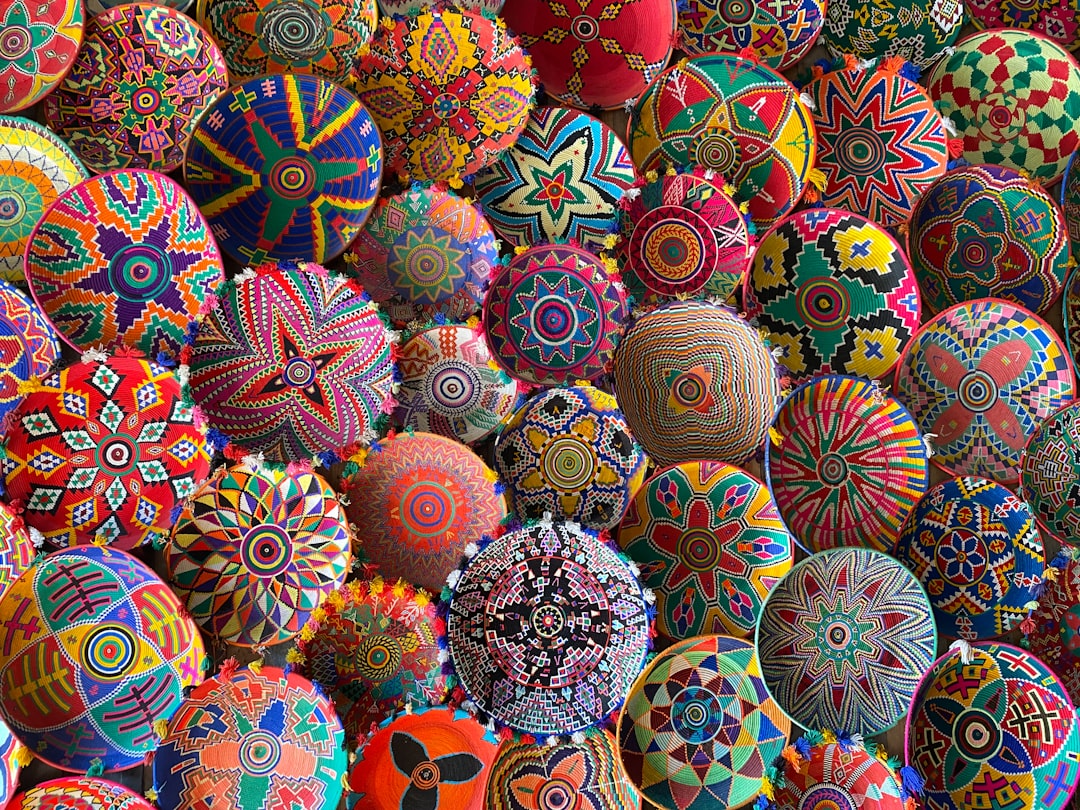
Photo by Samos Box on Unsplash
Sarah Chen sits at her desk every Sunday evening with a cup of tea, a fountain pen, and a stack of cream-colored stationery. She's not journaling or working on a novel. She's writing letters to friends—actual, physical letters that will arrive in their mailboxes days later, sealed with wax and her genuine thoughts. Five years ago, she would have laughed at herself. Now, at 34, she's one of thousands of millennials rediscovering an art form their parents considered obsolete.
The return of letter writing isn't some TikTok trend destined to fade in six weeks. It represents something deeper: a conscious pushback against the frictionless, algorithm-driven communication that has come to define our lives. And unlike the vinyl resurgence, which is often dismissed as pure nostalgia, this movement carries genuine psychological weight.
The Numbers Tell a Story of Quiet Rebellion
The United States Postal Service doesn't track handwritten letters specifically, but they do track first-class mail volume. After years of decline, first-class mail stabilized between 2020 and 2023. Meanwhile, specialty stationery companies are seeing explosive growth. Papier, a London-based stationery brand, reported a 300% increase in sales during the pandemic. The Japanese washi paper market has grown by 12% annually since 2019, driven largely by Western millennials and Gen Z consumers seeking premium writing materials.
Reddit communities dedicated to letter writing—r/penpals and r/letters—have grown to over 400,000 combined members. But these aren't people roleplaying as Victorian-era writers. They're young professionals, students, and creatives who've deliberately chosen slowness as a form of resistance.
One user posted in r/penpals: "I write letters because no algorithm reads them before they reach the person I care about. Nothing gets optimized. Nothing gets monetized. It's just... mine." The comment received over 8,000 upvotes. The sentiment resonated because it named something people feel but rarely articulate: exhaustion with mediated connection.
The Psychology of Friction as a Feature
Here's what makes letter writing genuinely different from sending an email: it requires you to slow down. You can't draft seventeen versions and delete them. You can't edit after hitting send. You have to commit to your words on the page, imperfect and permanent.
Dr. Michelle Moore, a communication psychologist at Portland State University, explains that this friction is actually therapeutic. "We've spent two decades optimizing away friction from communication," she says. "But friction is where intention lives. When it takes you thirty minutes to write a letter, you're not dashing off something casual. You're making a choice about what matters."
The physical act of writing also engages different neural pathways than typing. Handwriting activates areas of the brain associated with memory formation and emotional processing. A study from Princeton University found that students who took notes by hand retained information better than those who typed—and they also showed deeper conceptual understanding. The same cognitive benefits likely apply to letter writing.
Michael Rodriguez, a 31-year-old graphic designer from Austin, describes his letter-writing practice as meditative. "I started during the pandemic when everything felt chaotic," he says. "Writing to friends forced me to be present. I couldn't multitask. I couldn't check my phone while holding a pen. It became this anchor in my day."
Rejecting the Tyranny of Immediate Response
Email and text messaging created an expectation of immediate response. You send a message at 9 a.m., and by 9:15 a.m., you're wondering why they haven't replied. This created a constant low-level anxiety that most people don't even register anymore—it's just ambient stress we've accepted as normal.
Letters eliminate this. When you write a letter, you enter into a rhythm that feels almost ceremonial. You might not receive a response for two weeks. And when you do, it's a deliberate act, not an obligation. Recipients are freed from the pressure to respond immediately, and senders are freed from the anxiety of watching for notification badges.
Jessica Wong, who started a letter-writing club in Portland two years ago, says this was the biggest draw for her members. "People said things in letters they'd never say in email," she recalls. "There was vulnerability. There was trust that the other person would take time to read it carefully and respond thoughtfully, not between other tasks."
Her club has grown from six friends meeting monthly to over 80 people. They don't critique each other's writing or set prompts. They simply gather, write letters to distant friends or pen pals, and leave. It's become one of the most popular events at a local community center.
The Tactile Rebellion in a Digital Age
There's also something happening at the material level. The act of selecting paper, choosing a pen, perhaps adding a wax seal or pressing flowers into an envelope—these choices transform communication into craft. You're not just transmitting information. You're creating a small object that someone will hold in their hands.
This might explain why fountain pen sales have increased 15% annually since 2015, according to industry reports. People aren't just writing letters. They're curating the experience. They're making deliberate choices about every element.
The letter-writing movement also intersects with broader cultural trends around sustainability and consumption. In choosing letters over emails, people are rejecting the hidden environmental cost of data centers and servers. They're opting for a communication method that's been carbon-neutral for centuries.
What This Means for Our Connected Future
The letter-writing renaissance won't replace digital communication. That would be naive. But its growth signals something important: a generation tired of optimization is seeking spaces where human intention can breathe. Spaces where connection doesn't need to be convenient to be valuable.
Sarah Chen still sends emails for work. She still texts her mom. But on Sunday evenings, she writes letters. When asked if she thinks this trend will last, she doesn't hesitate. "People are hungry for something real," she says. "And I don't think that hunger goes away."
Comments (0)
No comments yet. Be the first to share your thoughts!
Sign in to join the conversation.