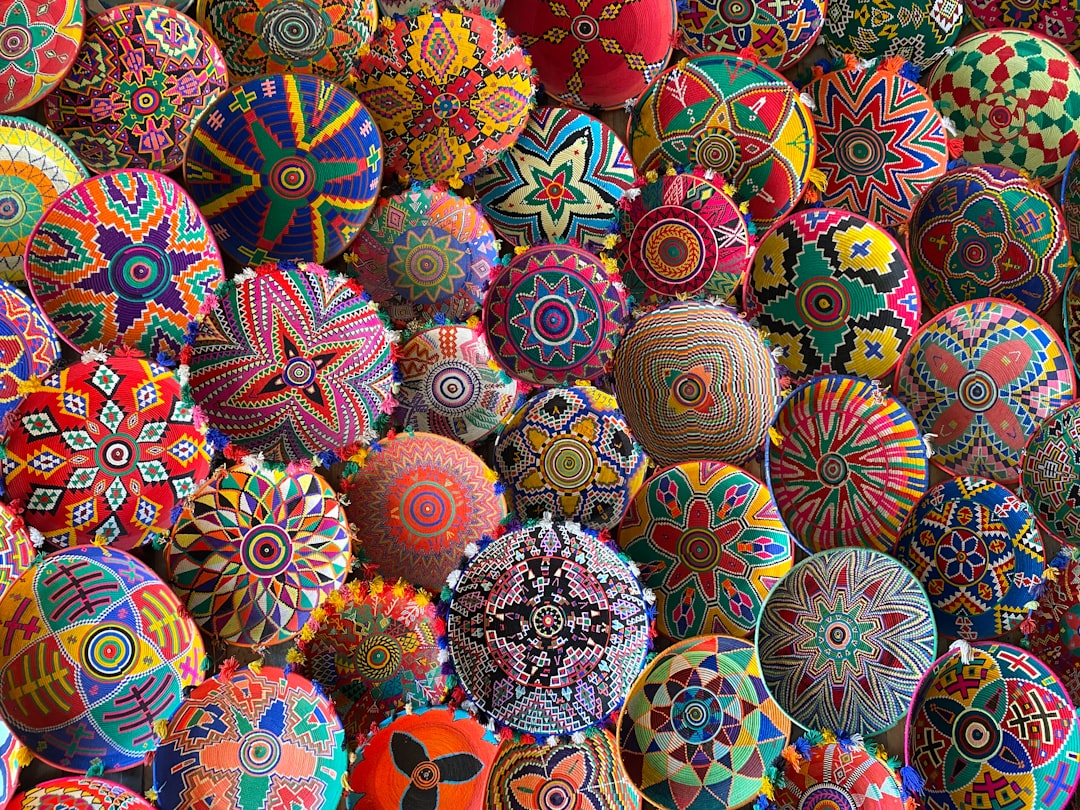
Photo by Samos Box on Unsplash
Sarah sits at her kitchen table on Sunday mornings with a cup of cold brew and a stack of cream-colored stationery. She writes letters—actual letters—to friends scattered across three continents. No emojis. No read receipts. Just her handwriting, her thoughts, and the postal service's promise of delivery in 7-10 business days. "It feels radical now," she admits, "writing something that can't be edited or deleted."
Sarah isn't alone. The revival of letter-writing among millennials and Gen Z has quietly become one of the most charming cultural phenomena of the past five years. Stationery shops are experiencing their biggest boom since the 1980s. Specialty paper companies report sales increases of up to 300% since 2020. Online communities dedicated to letter-writing have exploded—Reddit's r/penpals has grown from 50,000 members in 2015 to over 800,000 today. People are literally paying money to send written messages through the mail when they could send them instantly, for free, digitally.
This isn't nostalgia. It's something more deliberate than that. It's a conscious rejection of efficiency in favor of presence.
The Slowness Rebellion
Our relationship with digital communication has become complicated. The average person now spends 7 hours and 4 minutes per day consuming media and digital content. We're drowning in notifications, constantly interrupted, perpetually reachable. A text message that arrives at 11 p.m. still demands our attention. An unread email badge creates actual anxiety.
Letter-writing exists in direct opposition to this reality. It's slow. Intentional. When you sit down to write a letter, you're not multitasking. You're not checking your phone between sentences. You can't send it immediately—you have to find a stamp, locate an envelope, walk to a mailbox. The friction is the point.
"I started writing letters because I realized I hadn't had a single uninterrupted thought in months," says Marcus, a 28-year-old designer who now writes to six pen pals monthly. "With a letter, you have to think about what you actually want to say. You can't just dash something off. There's weight to it."
The physical act of handwriting engages different parts of the brain than typing. Studies show that handwriting activates more neural pathways and creates stronger memory formation than digital writing. When you handwrite, you're forced to slow down, to be selective about your words. You can't hide behind GIFs or reaction emojis. It's just you and your words.
The Intimacy We Forgot We Needed
There's something about receiving a handwritten letter that text messages and emails simply cannot replicate. It's tangible proof that someone spent time on you. They held a pen. They made choices about what to say. They didn't just dash off a quick message between meetings.
Jessica Chen, a 25-year-old who started a letter-writing group in Seattle, describes the moment she received her first letter from a pen pal: "I opened my mailbox and found this envelope with beautiful handwriting. When I read it, I felt like this person was actually speaking to me, not just sending information. I cried. I haven't cried over a text in my life."
The letter-writing community has developed its own aesthetic and rituals. People debate the merits of fountain pens versus ballpoints. They curate collections of stationery like vinyl records. Washi tape—decorative Japanese tape—has become a status symbol in pen pal circles. The popular letter-writing account "The Happy Ever Crafter" has 2.4 million Instagram followers watching people fold paper and seal envelopes.
This might seem trivial until you consider what it represents: a generation actively choosing to slow down, to invest time and money into communication that takes weeks instead of seconds. We're paying for postage in an age of free instant messaging. That's cultural behavior worth examining.
Connection in the Age of Connection
The irony is sharp. We have more ways to communicate than any generation in history, yet loneliness and disconnection are epidemic. Social media has promised to bring us together while making us feel more isolated. We have 500 online "friends" but struggle to name someone we'd call at 2 a.m.
Letters create something that digital communication struggles with: genuine presence and permanence. An email gets lost in an archive. A text gets buried in a conversation thread. A handwritten letter sits on your desk. You can reread it. You can fold it and carry it in your pocket. It becomes a keepsake.
For young adults navigating dating, careers, and identity formation, letters offer something rare: the chance to communicate without the pressure of immediate response. Unlike texting, where a delayed reply creates anxiety, a letter exists outside of time. It arrives when it arrives. The expectation is different. The pressure is lifted.
There's also something quietly radical about writing to someone you might never meet in person. The letter-writing community spans continents and time zones. A 23-year-old in Toronto writes to a 67-year-old in rural Japan. A college student in London corresponds with someone in rural Australia. These connections might never have happened in the pre-internet era, but they're happening now with the addition of tangible, intentional effort.
A Counterculture Moment
What makes this trend particularly interesting is that it's not mainstream. Letter-writing remains niche, which is partly why it appeals to people seeking alternatives to mainstream digital culture. Similar to the vinyl resurgence, which isn't about nostalgia but about rebellion against convenience, letter-writing represents a deliberate choice to opt out of the frictionless digital experience we've been sold.
There's resistance embedded in the act. Every handwritten letter is a small statement against the assumption that faster is always better, that convenience is the ultimate value. These young adults are creating culture—developing their own aesthetic, their own language, their own way of being connected.
The broader question lurking beneath this trend is whether we've finally hit peak digital saturation. If millions of people are now voluntarily choosing slowness and friction, what does that tell us about where we've been? It suggests that the promise of digital technology—that it would free us and connect us—has partially failed. We're connected, but we're not fulfilled. We're efficient, but we're anxious.
So Sarah will keep buying stationery. Marcus will keep writing to his pen pals. Jessica will keep organizing letter-writing meetups. And somewhere in the mail system, handwritten envelopes will travel at the speed of trucks and planes instead of the speed of light, carrying messages from people who believe that some things are worth waiting for.
Comments (0)
No comments yet. Be the first to share your thoughts!
Sign in to join the conversation.