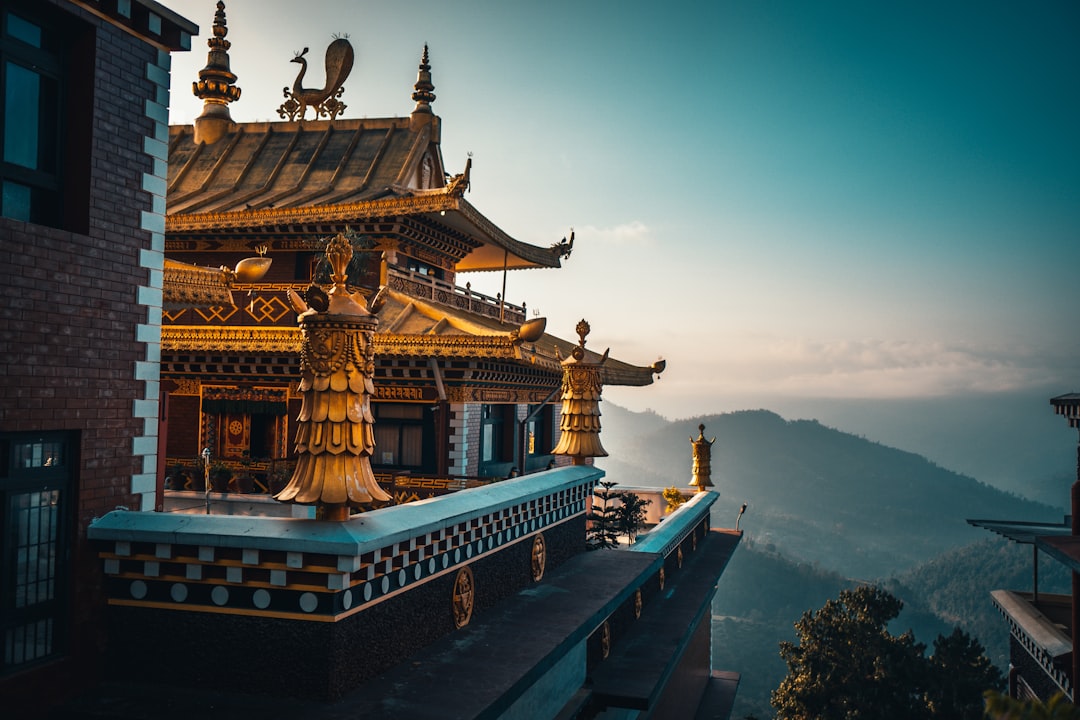
Photo by Raimond Klavins on Unsplash
Sarah stuffed her phone into her backpack before entering the cathedral. Not to be rude, but because she'd made a pact with herself three months ago: no photos during travel. It felt radical at first, almost anxiety-inducing. What was the point of visiting Barcelona if she couldn't prove it? But somewhere between the Gothic architecture and a chance conversation with a stranger in a tiny tapas bar, something shifted. She was actually present. Her memories felt richer, more textured, less like a highlight reel and more like a lived experience.
Sarah is part of a quiet cultural shift that's been building for the past few years. While Gen Z perfected the art of aesthetic TikToks and Instagram Stories, millennials—the original "Instagram generation"—are experiencing something like burnout from their own invention. They're traveling, eating, creating, and experiencing things with intentional opacity. No documentation. No algorithmic performance. Just living.
The Quiet Rebellion Against Perpetual Documentation
For nearly two decades, millennials internalized a specific cultural message: if you didn't post it, did it even happen? This wasn't vanity so much as a collective agreement on how to mark moments as real, valuable, shareable. Instagram launched in 2010, and by 2015, the platform had fundamentally altered how millennials moved through the world. Every meal deserved consideration for its photogenic qualities. Every trip required strategic positioning for the perfect shot. Every moment was a potential post.
But something peculiar started happening around 2022-2023. Millennials began deliberately stepping away from this framework. Not from social media entirely—that ship has sailed—but from the compulsive need to document everything. A 2024 study by the Center for Generational Kinship found that 67% of millennials aged 28-40 now actively avoid posting about vacations while traveling, up from just 23% in 2018. They're not anti-social media; they're just increasingly selective about what deserves the treatment.
"I realized I spent three days in New Zealand looking at things through my phone screen," explains Marcus, a 34-year-old marketing director who deleted Instagram from his phone last year. "I had perfect photos. Nobody cared. And I barely remembered what it actually felt like to be there." This sentiment echoes across coffee shops, therapy offices, and group chats where millennials are essentially renegotiating their relationship with visibility.
The Paradox of the "Undocumented" Experience
Here's where it gets interesting: the act of not sharing something has become its own kind of status symbol. There's an almost spiritual quality to it now, a sense that the most authentic experiences are the ones nobody else gets to see. This isn't entirely new—wealthy people have always had private experiences—but it's never been a millennial value system before. Millennials literally invented the selfie. We built our identities partially around public visibility.
What's changed is the sophistication of the rejection. These aren't Luddites abandoning technology. They're people with highly curated, intentional presences who've simply decided that not everything deserves curation. A chef might post her food photography project but keep her casual dinners private. A traveler might share a filtered moment from one trip while photographing nothing during the next. It's about agency and intention rather than blanket rejection.
The appeal seems almost countercultural in its simplicity: memories that belong entirely to you. In an era of data extraction, behavioral tracking, and algorithmic manipulation, there's something almost rebellious about having an experience that exists nowhere except in your own mind and maybe in conversations with friends. It can't be mined. It can't be monetized. It can't become part of someone's engagement metrics.
What Prompted the Shift? Burnout, Authenticity, and Reckoning
Millennials have spent nearly fifteen years watching their online activity become increasingly monetized, tracked, and manipulated. We've seen our photos sold, our data harvested, and our engagement weaponized. We've also watched Gen Z navigate a digital landscape we created, and the anxiety is palpable. Studies consistently link heavy social media use to depression, FOMO, and distorted self-image—issues that became impossible to ignore by the early 2020s.
But there's something else happening too. Many millennials are becoming parents, buying homes, dealing with actual real-world consequences. The performative phase of life is starting to feel juvenile. There's a quiet maturation happening where quantity of external validation matters less than quality of internal experience. Related to this shift is The Art of the Apology Letter: Why Millennials Are Reviving a Lost Etiquette, which captures a similar trend toward more intentional, less performative forms of connection.
The pandemic accelerated this transition. When everyone was forced offline and the world felt genuinely scary, the importance of Instagram aesthetics became laughably apparent. Months of isolation clarified what actually mattered: real conversations, genuine presence, moments that nourish rather than perform.
The New Status Symbol: Strategic Absence
What's genuinely fascinating is how this has inverted the status symbol. For millennials with means—the demographic most likely to travel internationally—announcing that you're taking a "digital detox" or posting nothing during your vacation has become a subtle flex. It signals confidence, intentionality, and freedom from algorithm anxiety. You're secure enough not to need validation.
This has created an interesting paradox where people tell their friends they won't be documenting their experience, and that announcement itself becomes a kind of social statement. Some still post the occasional photo, but with deliberate restraint. Others go full blackout. The point is the choice feels active, not reactive.
Whether this trend sustains long-term is anyone's guess. Social media companies are relentlessly innovative in making sharing feel necessary and rewarding. But for now, millennials are experiencing something their 20-year-old selves would have found impossible to imagine: the luxury of having something good happen and telling nobody on the internet about it. Turns out, that might be the rarest luxury of all.
Comments (0)
No comments yet. Be the first to share your thoughts!
Sign in to join the conversation.