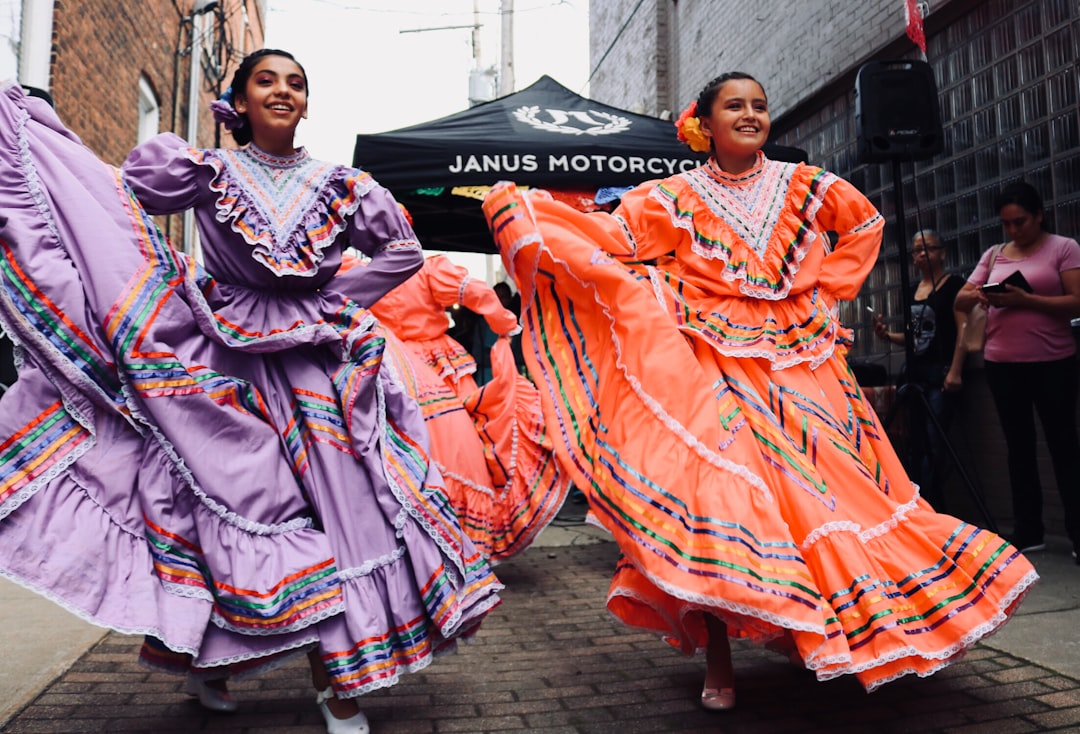
Photo by sydney Rae on Unsplash
Last Tuesday, my 16-year-old cousin texted me a TikTok video of someone unboxing an original iPod Nano. She'd sent it with the caption: "why was this so aesthetic tho." The video had 2.3 million likes. Two point three million people agreed that a device that could barely hold your music collection was, in fact, aesthetic. That's when I realized we've entered a strange cultural moment where one generation's mundane teenage experience has become another generation's carefully curated fantasy.
The Archaeology of Cool
Nostalgia isn't new. Every generation has romanticized its past. But what we're witnessing now is different. It's industrialized. It's profitable. It's algorithmic. And most importantly, it's being sold by the very people who originally lived through it.
Millennials—those of us born roughly between 1981 and 1996—have become the primary architects of a multi-billion dollar nostalgia machine. We're the ones creating content about our Nokia ringtones, our Motorola Razrs, our limited-edition American Girl dolls. We're the ones filming ourselves opening Dunkaroos and Surge soda that we found on Amazon. And here's the thing: Gen Z is absolutely eating it up.
The numbers tell the story. Searches for "90s aesthetic" and "Y2K fashion" have increased by over 150% in the past three years on Pinterest alone. Urban Outfitters reported a 240% increase in sales of vintage band t-shirts between 2019 and 2023. The resale market for early 2000s designer handbags—specifically Juicy Couture tracksuits and vintage Ugg boots—has become a legitimate sub-economy, with some pieces selling for five times their original retail price.
But here's where it gets interesting: most of the people driving this trend weren't actually there for the original cultural moments. A Gen Z kid born in 2008 never waited for their dial-up internet to connect. They never attended a MySpace concert. They never had to actually burn a CD on their computer. Yet they're consuming the mythology of these experiences with an intensity that rivals any dedicated historian.
Content as Cultural Archaeology
Platforms like TikTok have created a perfect storm for millennial nostalgia. The algorithm rewards novelty and emotion in equal measure, and there's something deeply emotional about watching someone react to your childhood as if it were a museum artifact.
Take the creator known as "TheOdd1sOut," James Rallison, who regularly creates content around his experiences growing up in the 90s and early 2000s. His videos pull millions of views not because he's invented something new, but because he's excavated something old with enough specificity that it feels almost archaeological. He'll describe the exact feeling of Heelys in middle school hallways or the specific anxiety of AOL Instant Messenger away messages, and suddenly, millions of Gen Z viewers feel like they've uncovered a secret about the past.
What's fascinating is how this content functions differently for different audiences. For millennials watching, it's validating. It says: your childhood mattered. Those experiences were significant enough to be documented, shared, and consumed. For Gen Z, it serves as a form of cultural tourism. They're visiting a time period they never inhabited, through the eyes of people who did.
The Economics of Manufactured Longing
None of this would matter much if money wasn't involved, but money absolutely is involved. Brands have figured out that nostalgia is reliable. It doesn't fade like trends do. It compounds.
Companies like Bring Back Brands have built entire business models on this principle, reintroducing discontinued snacks and products specifically because millennial consumers—now with disposable income—will pay premium prices for the experience of their childhood. A box of Pepsi Blue, originally discontinued in 2003, now sells for three times what it cost originally. Dunkaroos returned to store shelves in 2020 after being gone for 13 years. Demand was so high they were difficult to find for months.
The fashion industry has been particularly aggressive in capitalizing on this. Every major brand has a "Y2K" collection now. Low-rise jeans have made a comeback not once but twice. Cargo pants, which were firmly dead for a decade, are suddenly everywhere. Thrifting—which used to be the province of broke college students and environmental activists—is now a status symbol, a way of proving you have enough cultural knowledge to identify valuable pieces from the past.
What's troubling about this is how it functions as a kind of cultural gatekeeping. If you weren't there, you have to buy your way into understanding the culture. You have to purchase the t-shirt, the snack, the documentary, the carefully curated TikTok compilation. The mythology becomes monetized.
When Authenticity Becomes Performance
Here's where I start to feel weird about the whole thing. And I'm a millennial, so this is directed at myself as much as anyone else.
The nostalgia we're selling has been cleaned up, aestheticized, and removed from context. We remember Myspace fondly, but we don't talk about the cyberbullying that thrived there. We romanticize early digital culture, but we leave out how exclusionary it was, how many people felt left out. We package the experience as a beautiful, simpler time, without acknowledging that it was only simpler for people who fit a very specific profile.
And we do this deliberately. Because the messy version doesn't sell as well. The messy version doesn't get 2.3 million likes.
This connects to a larger cultural moment we're in, which the increasing romanticization of melancholy also reflects. We're packaging emotions and experiences as aesthetic products, and the more distanced from reality the package is, the better it sells.
What Happens Next
The question now is where this cycle goes. Gen Z is currently creating content about their childhood—which, granted, was only 10-15 years ago—and we're watching it with interest. In another decade, what will they be nostalgic for? What moments from their childhoods will they monetize? And what will Gen Alpha think of their parents romanticizing ring lights and Instagram filters?
The truth is that nostalgia, by its nature, isn't really about the past. It's about the present. It's about filling some gap in how we feel right now. When millennials create content about the 90s, we're not really talking about the 90s. We're talking about what we feel we've lost in the rush to constant digital connection, constant productivity, constant optimization. We're creating a myth of a simpler time to contrast with a more complicated present.
And maybe that's okay. Maybe everyone needs a version of the past they can retreat into. But it's worth asking who's getting rich off that retreat, and what version of history we're agreeing to believe when we buy into it.
Comments (0)
No comments yet. Be the first to share your thoughts!
Sign in to join the conversation.