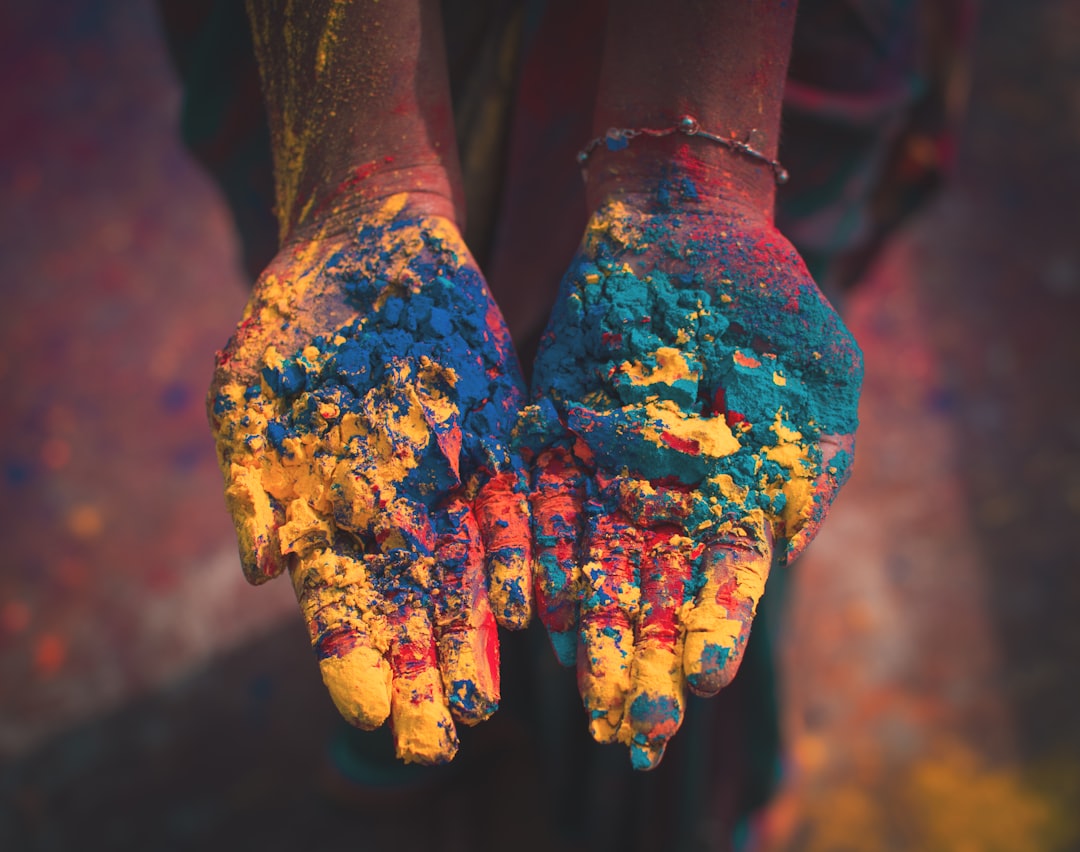
Photo by Debashis RC Biswas on Unsplash
My neighbor started baking bread at 5 a.m. during the second lockdown. Not because she needed bread. Because she needed to prove she could make something rise when everything else was collapsing. She'd leave loaves on doorsteps with little notes—aggressive generosity, I called it. Looking back, I realize she wasn't alone. The entire internet seemed to be cooking with the intensity of someone preparing for trial.
There's a phenomenon happening in our kitchens that nobody wants to name directly: cooking as protest. Not the noble, political kind—the intimate, personal kind where you're standing over a hot stove not because you're hungry, but because you're furious, bored, or desperate to prove something about yourself. This isn't about nourishment anymore. It's about narrative control.
When Cooking Stopped Being Practical
Consider the trajectory of home cooking over the past decade. It went from something people did out of necessity to something they performed for their phones. Instagram didn't invent food culture, but it fundamentally rewired our relationship with it. Suddenly, the meal wasn't the point—the evidence of the meal was.
But something shifted around 2020. When the world locked down and everyone had the same amount of time, cooking transformed into something more urgent. Sales data told the story: flour sales in the U.S. increased by 140% in March 2020 alone. Yeast became genuinely scarce. People weren't just cooking; they were hoarding the ingredients of creation itself.
What started as survival cooking quickly became something weirder. The sourdough starter became a pet. The overnight brisket became a meditation. The perfect croissant became an obsession. Food writers called it a return to tradition. Therapists might call it displacement. I think it was both, plus something else entirely: a way to reclaim agency.
The Control You Can Actually Taste
Here's what's interesting about cooking when everything else feels chaotic: it's one of the few activities where you still have complete command over the outcome. You can't control the pandemic. You can't control your job security. You can't control what your government does. But you can absolutely control whether that Béarnaise breaks. That agency matters more than we admit.
A therapist once told me that people often channel anxiety into three areas: their bodies, their homes, or their creativity. The pandemic generation picked all three. Sourdough starters became meditation objects. Kitchen renovations became identity statements. Meal prep became performance art.
Women in particular seemed to be working something out through cooking, though nobody quite wanted to examine it too closely. There was something almost defiant about the elaborate Sunday dinners, the homemade pasta from scratch, the fermented vegetables taking over refrigerators. It felt like a statement, even when the person making it couldn't articulate exactly what they were saying.
Some of it was certainly traditional: a return to home values, a rejection of convenience culture. But some of it felt like rage turned into roux. Like depression baked into bread. Like loneliness plated and served.
The Weird New Status Game
As pandemic cooking stretched into years, it calcified into a status symbol as rigid as any country club membership. The complexity of your recipes became a proxy for the depth of your character. Making stock from scratch became a moral position. Knowing the difference between active and passive voice in a recipe was somehow a flex.
This created an odd social stratification. There were the sourdough people (artistic, spiritual, patient). The fermentation people (progressive, health-conscious, slightly insufferable). The molecular gastronomy people (wealthy, bored, dangerous). The "I just throw things together" people (relatable, genuine, lying).
You can see this playing out in the cookbook world. Recent bestsellers like "Salt, Fat, Acid, Heat" and the flood of chef memoirs aren't really about cooking. They're about belonging to a tribe. They're about finding yourself in someone else's kitchen philosophy. Much like collecting vinyl records you'll never play, cooking culture has become as much about curation and identity as it is about the actual activity.
The Instagram account matters. The story about where you got your heirloom tomatoes matters. The mention of your grandmother's recipe matters more than whether the dish actually tastes good. We've turned cooking into a credential, which means we've also turned it into another space where people feel inadequate.
What We're Actually Hungry For
Maybe the real question isn't why cooking became such a big deal. It's what we were actually starving for.
The obvious answer is community. Cooking and eating together are the oldest form of bonding. When we lost gatherings, we got obsessive about the meal itself, turning it into a substitute for the connection we couldn't have. You could perfect a dish. You couldn't perfect human contact, so at least you could control the thing you'd eventually share.
But there's something deeper happening too. We live in an era of tremendous creative constraint. Most of us spend eight hours a day doing work that doesn't feel like it's ours. Our creative outlets are mostly consumption-based: scrolling, watching, listening. Cooking is one of the last activities where you can make something from nothing, follow an instinct, fail spectacularly, and try again. That's not nothing.
The spite kitchen isn't really about spite. It's about self-determination. It's about saying: in this one area, on this one Tuesday night, I'm in charge. I'm creating. I'm enough. The food is almost beside the point. The act of feeding yourself—literally and metaphorically—is the real nourishment.
Where We Go From Here
The early signs suggest we're moving past the competitive cooking era. The sourdough starters are dying. The people with elaborate kitchen setups are quietly downsizing. We're collectively exhausted from performing our excellence.
But something real did happen. Millions of people discovered they could make things. Thousands figured out their kitchens were spaces of power, not just obligation. That won't disappear, even if the Instagram accounts become less frequent.
The kitchen will always be a place where we work something out. Where we prove something to ourselves. Where we turn raw ingredients and raw emotion into something that nourishes. That's not a fad. That's human.
Maybe the real legacy of spite kitchen culture isn't the perfect loaf or the Michelin-star techniques trickling down to home cooks. It's the quiet knowledge that we're capable of creation. That when everything else fails, we can still make something rise.
Comments (0)
No comments yet. Be the first to share your thoughts!
Sign in to join the conversation.