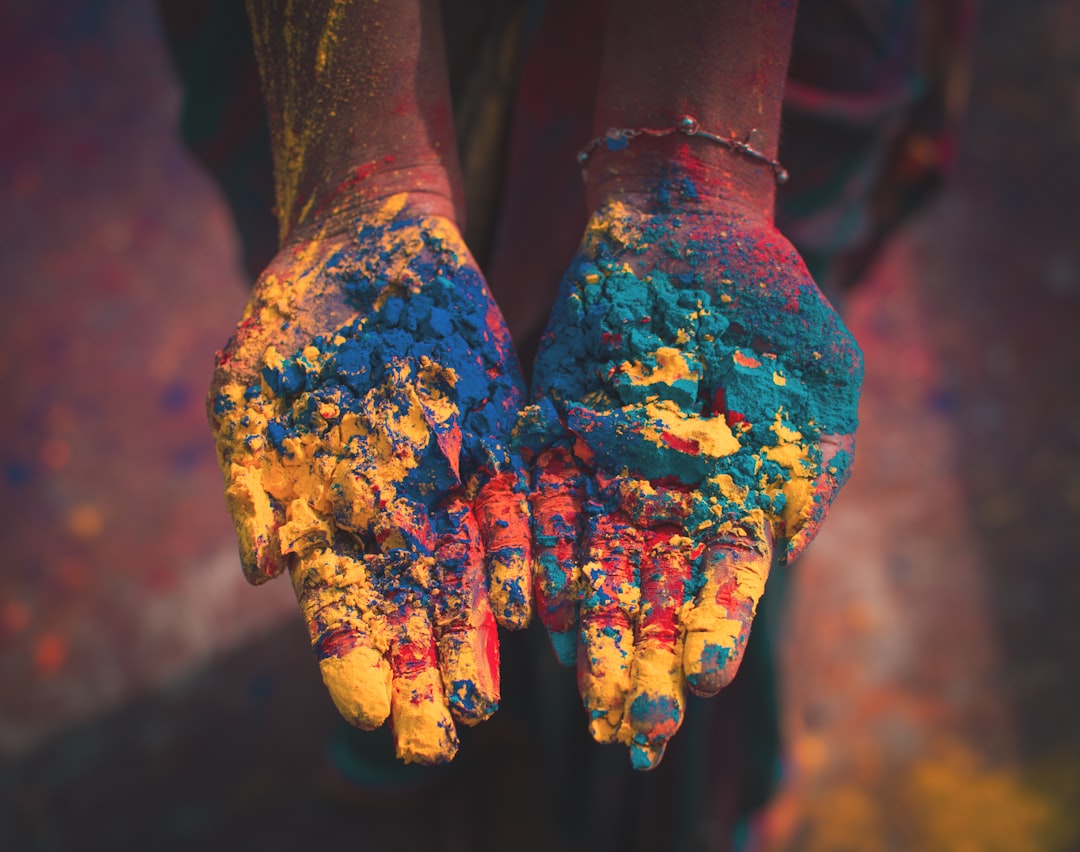
Photo by Debashis RC Biswas on Unsplash
Sarah hadn't planned to become a book smuggler. Six months ago, she was just another woman showing up to her neighborhood book club with a dog-eared copy of "Beloved" and a bottle of Pinot Grigio. But when her local library quietly removed "Gender Queer" from its shelves following parent complaints, something shifted. She started a second book club. Then a third. Now she runs five underground reading groups across her city, with waitlists that rival Broadway shows.
She's not alone. Across America, millennials are orchestrating what might be the most unexpected cultural movement of the decade: turning book clubs into acts of civil disobedience.
When Book Clubs Became Resistance Cells
The numbers tell an interesting story. According to a 2023 Pew Research Center survey, book club participation among adults aged 25-40 jumped 34% in just two years. But here's the twist: most of these new clubs aren't meeting at Barnes & Noble or someone's living room over charcuterie boards. They're organizing through encrypted messaging apps, meeting in basements, coffee shop back rooms, and private homes with drawn curtains.
What sparked this shift? Book banning. The American Library Association reported 1,269 book challenges in 2022—the highest number in three decades. Most of them targeted titles exploring LGBTQ+ themes, race, and sexuality. For millennials who grew up believing the internet had democratized information, watching books disappear from shelves felt like stepping backward through a time machine.
"It's not dramatic," Sarah explains, stirring her coffee at one of her regular meeting spots. "But it feels necessary. When you can't access a book through official channels, you start to ask yourself: what else are they not letting me read?"
The Aesthetics of Underground Literacy
There's an aesthetic emerging around this movement that's almost deliberately vintage. Members share photos of their reading selections on Instagram using coded hashtags. Book lists get passed around in Google Docs that look like they're straight out of a 1970s zine. Some groups have started printing their own reading guides on risograph machines—a technology that feels gloriously analog in 2024.
The irony isn't lost on anyone: millennials, the generation most associated with digital culture, are romanticizing a pre-internet approach to sharing literature. It's partly practical (encrypted messages are safer than posting directly), and partly performative (there's definitely an aesthetic appeal to the whole thing). But mostly, it feels like reclaiming something that was supposed to belong to everyone.
One group in Portland created physical "little libraries"—those tiny house-shaped boxes—but filled them exclusively with challenged and banned books. They called it the "Forbidden Collection." Within weeks, the concept had spread to seventeen cities. Book clubs have always been about community, but this iteration is community as resistance.
The Millennial Difference: Why This Generation Leads
Why millennials specifically? It probably comes down to lived experience. This generation watched the internet promise unlimited access to information, only to watch it consolidate into the hands of a few platforms. They've experienced multiple censorship cycles—from their high school libraries removing LGBTQ+ books to social media companies fact-checking content. They've learned that "freedom of information" isn't guaranteed; it has to be fought for.
Also: millennials are old enough now to have disposable income and established social networks, but young enough to still carry a punk rock ethos. They're not rebels for rebellion's sake, but they haven't yet accepted that systems are immovable. They still believe organizing matters.
"My parents' generation would petition the library board," says Marcus, who runs an underground book club in Atlanta. "My generation just creates parallel systems. It's not better or worse—it's just different. Why wait for permission when you can just do it?"
More Than Just Banned Books
Here's where it gets interesting: these clubs aren't exclusively reading censored titles. Sure, "The Handmaid's Tale," "Gender Queer," and "The Bluest Eye" are rotating through reading lists. But the groups are also tackling philosophy, climate fiction, experimental poetry, and overlooked authors who never made the school curriculum. It's a correction, in some ways. For every banned book added to the list, there's usually a forgotten book—maybe something by a Black or queer author, or simply something weird and wonderful that never got mainstream attention.
Sarah's group recently finished "Braiding Sweetgrass" by Robin Wall Kimmerer, followed by "The Ministry for the Future" by Kim Stanley Robinson. "We're not just fighting censorship," she says. "We're building the literary canon we wish we'd had. We're asking: what would we be reading if marketing departments and school boards hadn't already decided what's worth our time?"
This mission has created a kind of literary abundance mindset. If the system has failed to properly celebrate certain books, then these underground clubs become curators of their own education.
What Happens Next?
The obvious question: Is this sustainable? How long can basement book clubs operate before they become the next Instagram-fied trend, stripped of meaning? Some observers worry that the movement will eventually get absorbed into mainstream culture, its radical edge sanded down into another aspirational lifestyle brand. (Much like what happened to a certain sourdough obsession—if you've been paying attention to food culture recently, you know exactly what I mean.)
But for now, something genuine is happening. Millennials are building community around the act of reading, yes, but also around the principle that knowledge shouldn't be gatekept. They're proving that when systems fail, people don't wait passively for reform—they build alternatives.
Sarah has already expanded her operation. Next month, she's starting a mentorship program to help other millennial organizers start their own book clubs. She sees it as infrastructure. Not revolution—just infrastructure.
"I'm not trying to overthrow anything," she laughs. "I just want to make sure that when my kids ask what I was doing while books were being pulled from shelves, I have an actual answer."
Comments (0)
No comments yet. Be the first to share your thoughts!
Sign in to join the conversation.