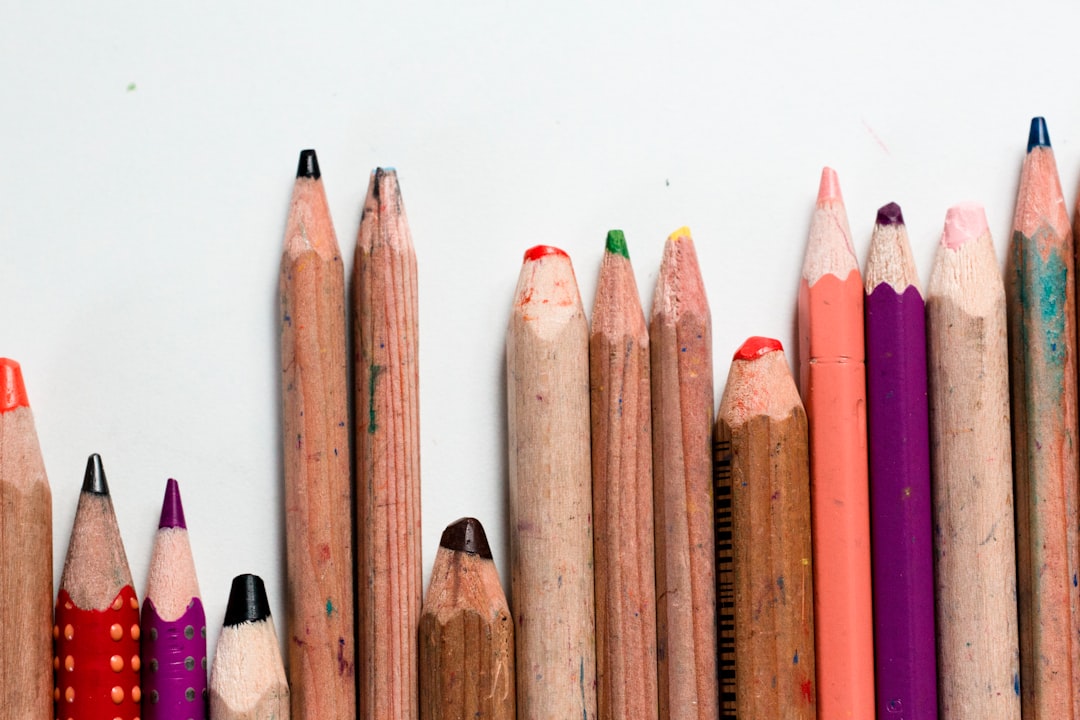
Photo by Markus Spiske on Unsplash
There's a particular kind of beauty in sadness that nobody really wants to admit appreciating. But scroll through TikTok, Instagram, or Pinterest for more than five minutes, and you'll see it everywhere: girls in oversized sweaters sitting in dimly lit rooms, aesthetic shots of rain on windows, journal spreads titled "melancholy September," playlists with names like "when the leaves match my energy." The internet has officially given autumn a therapist appointment, and honestly, the season has never looked better on film.
This isn't the Instagram girl autumn of 2015—all golden hour and performative apple picking. This is something messier, more honest, and surprisingly more compelling. This is sad girl autumn, and it's become the defining aesthetic of fall 2024.
Where Did This Come From?
The origins of sad girl autumn aren't hard to trace. It started in the emotional wreckage of 2020, when everyone was trapped inside and autumn felt like the only character development happening in our lives. Content creators began romanticizing seasonal depression, finding poetry in overcast skies and melancholy. But the trend didn't die out when we emerged from our homes. Instead, it evolved.
Then came the backlash against relentless "live, laugh, love" energy that had dominated wellness culture for the past decade. Gen Z, perpetually exhausted and increasingly skeptical of toxic positivity, started asking: what if we just... felt our feelings? What if sadness was allowed to be beautiful without needing to be "fixed"?
Enter sad girl autumn. It's like the weird girl era's emotionally introspective cousin—same rebellion against mainstream perfection, but with more black eyeliner and haunting instrumental music.
The Aesthetic Breakdown: What Exactly Are We Looking At?
Sad girl autumn has very specific visual markers, almost like an unspoken dress code for seasonal melancholy. We're talking chunky knit cardigans in earth tones, vintage Polaroid cameras, fairy lights reflecting in tears (okay, sometimes literally), and a color palette that prioritizes forest green, deep burgundy, and burnt sienna over anything pumpkin-spice adjacent.
The content itself follows patterns too. There's the "studying in a dimly lit room while rain sounds play" video. The morning routine filmed through a window with condensation on it. The shot of a steaming mug of tea with a book that's definitely too sad for comfort. Autumn leaves scattered across journal pages. A girl lying in bed at 3 PM "thinking about life." It's become so specific that you can almost predict what you're about to see based on the sound design alone.
But here's what makes it different from previous moody trends: it's not performative sadness. There's no caption saying "lol so depressed." The content is often silent or paired with lo-fi beats and nature sounds. It's gentle melancholy, not aggressive despair. It's the kind of sad that feels like comfort, like everyone's collectively decided that being sad in fall isn't pathological—it's poetic.
The Consumerism Twist Nobody Talks About
Of course, you can't have an internet aesthetic without someone monetizing it. And that's where things get complicated.
Amazon is flooded with "cottagecore depression" starter kits. Etsy shops are selling thirty-dollar vintage-looking journal sets specifically designed to look sad and thoughtful. Target has an entire "Cozy Fall" section that's essentially sad girl autumn merchandise. Even luxury brands like Acne Studios and COS are leaning into muted autumn aesthetics, which means sad girl autumn isn't just a TikTok trend anymore—it's a sales opportunity.
The irony is obvious. A movement built on rejecting toxic positivity and embracing genuine emotional complexity has become a product you can purchase. You can buy sadness now. You can buy the aesthetic of melancholy, curated and gift-wrapped.
Some creators are aware of this and calling it out. Others are rolling with it, creating haul videos of their "sad girl autumn starter pack." Most people exist somewhere in the middle—they genuinely connect with the aesthetic while also understanding that buying a $45 leather journal doesn't actually make you more introspective.
Why This Moment? Why Now?
Sad girl autumn thrives because it gives language and permission to something that's been simmering in Gen Z consciousness for years: the understanding that you don't have to be constantly happy or productive to be living a worthwhile life.
We're living through unprecedented economic uncertainty, climate anxiety, political chaos, and the ongoing fallout of constant connectivity. Pretending everything is fine requires energy most people don't have anymore. There's something almost rebellious about admitting: yeah, I'm sad. Yeah, I'm anxious about the future. And yeah, I'm going to sit with that feeling while watching the leaves change color.
Autumn itself becomes a character in this narrative. It's literally a season about things dying and changing. It's the only time of year when decay is considered beautiful. When rot is called "rustic." When transformation includes loss. That's the emotional permission structure sad girl autumn provides.
Mental health conversations have also shifted. People are more open about depression, seasonal affective disorder, and general emotional complexity. Social media has become a place where you can express sadness without being immediately told to "think positive" or "it could be worse." Sad girl autumn exists in that space—it's a collective exhale after years of forced optimism.
The Staying Power Question
Will sad girl autumn stick around beyond October? Probably not in its current hyper-specific form. But the underlying philosophy—that sadness is valid, that beauty exists in melancholy, that you're allowed to not be fine—that seems to be sticking around.
What sad girl autumn really represents is a cultural shift toward emotional authenticity. It's permission to stop performing wellness. It's an aesthetic that says: your sadness is valid, your complexity is beautiful, and you don't need to fix yourself to be worthy of love.
And maybe that's the most un-sad thing about it.
Comments (0)
No comments yet. Be the first to share your thoughts!
Sign in to join the conversation.