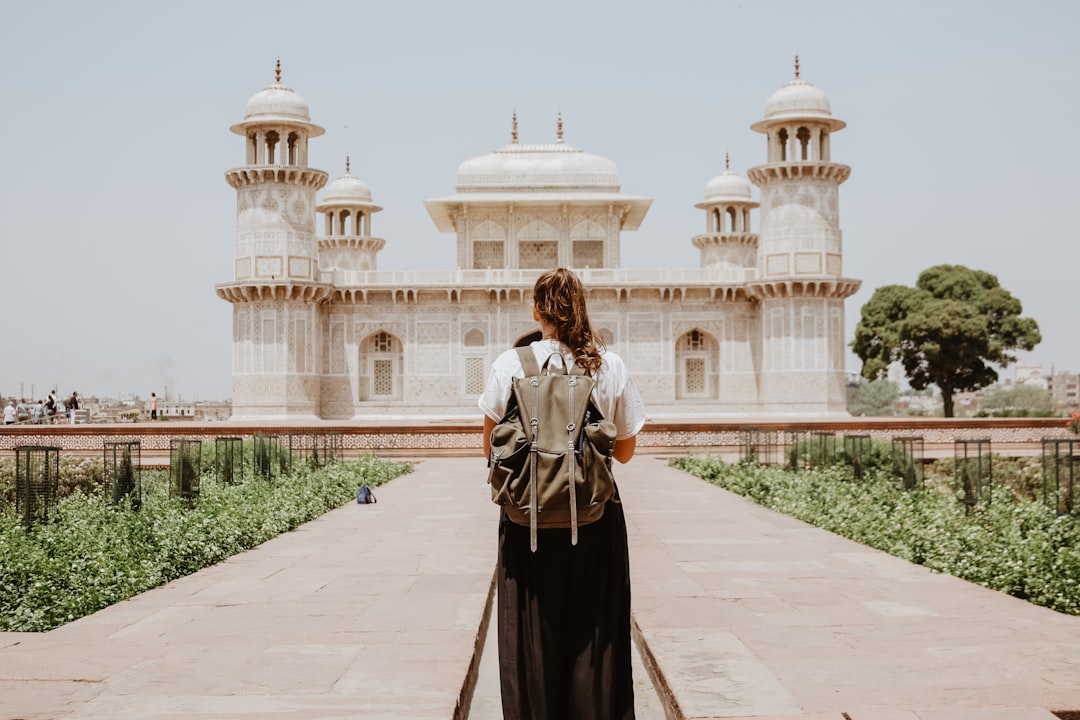
Photo by Ibrahim Rifath on Unsplash
Sarah doesn't own a farm. She's never raised a chicken, never churned butter, and her apartment in Brooklyn is roughly the size of a garden shed. Yet every evening, she posts videos of herself in a linen dress, kneading sourdough while golden hour light floods through a window she rents. Her account has 340,000 followers. They come for the aesthetic, stay for the fantasy—and they're not alone.
Cottagecore has become one of the most pervasive cultural movements of the past few years, and it's fascinating precisely because it reveals something uncomfortable about who we are right now. We're collectively daydreaming about a life that doesn't exist, performing a version of rurality that's been filtered through Instagram, Pinterest, and TikTok's algorithm. And honestly? We can't get enough of it.
What Even Is Cottagecore, Anyway?
The term itself emerged from Tumblr around 2018, but the aesthetic has exploded into mainstream consciousness. Cottagecore—or "farmcore" or "agricultural romanticism," depending on who you ask—is an idealized vision of rural life. Think: thatched-roof cottages, wildflower meadows, homemade preserves, heritage breeds of sheep, bread rising on wooden tables, and an almost aggressive amount of hand-churned butter.
It's not exactly new. Romanticizing the countryside while living in cities has been a human impulse for centuries. Marie Antoinette had her petit trianon. Victorian painters obsessed over pastoral scenes. But cottagecore is different because it's participatory. It's not something you admire in a museum—it's something you perform. You become the character in your own pastoral narrative.
The aesthetic gained serious traction during the pandemic. Stuck indoors, millions of people watched videos of other people baking bread, tending gardens, and living what appeared to be a simpler, slower life. TikTok's algorithm caught on, and suddenly cottagecore content was everywhere. By 2021, the #cottagecore hashtag had billions of views. Fashion brands launched cottagecore collections. Urban professionals started buying heritage breed chickens for their backyards. The fantasy became something you could actually purchase into.
Why We're All Obsessed With a Life We Don't Actually Want
Here's what's interesting: most people creating cottagecore content have no intention of actually living this way permanently. A study from the University of Colorado found that 73% of cottagecore content creators lived in urban or suburban areas and had zero agricultural background. They weren't aspiring farmers who couldn't find land. They were stressed professionals looking for a aesthetic escape hatch.
The appeal makes sense when you think about it. We live in an age of constant optimization, infinite choice, and algorithmic anxiety. Our phones track us. Our jobs follow us home. We're perpetually available, perpetually productive, perpetually scrolling. Cottagecore offers the opposite: a world where the biggest decision is which herbs to plant, where productivity means baking bread instead of responding to emails, where success is measured in preservation jars rather than quarterly earnings.
But there's something almost defiant about it too. Gen Z is abandoning irony in favor of sincerity, and cottagecore is the visual embodiment of that shift. You're not supposed to be cynical about the cottagecore aesthetic. You're supposed to genuinely believe that hand-milking a goat will change your life. You're supposed to post your mediocre sourdough starter with complete earnestness.
It's also inherently countercultural, though in a subtle way. While everyone else is buying the latest tech gadget or fast-fashion haul, cottagecore adherents are investing in slow cookers, heirloom seeds, and preserving jars. There's a quiet resistance in choosing the handmade over the mass-produced, the natural over the industrial, the seasonal over the available-year-round.
The Privilege Problem Nobody Wants to Talk About
But let's be real: cottagecore is a luxury aesthetic. Those vintage linen dresses? They're from expensive indie brands. The cottage itself (if you actually have one) probably costs seven figures. The time to make everything from scratch is a privilege most people simply don't have. Heritage breed pigs don't fit in urban apartments. You need land, space, and—most critically—leisure time.
There's also something uncomfortable about the fact that this romanticization of rural life comes almost exclusively from educated, relatively wealthy urban people. Meanwhile, actual rural communities have been struggling for decades. Farming is economically devastating. Rural America is hemorrhaging young people. The countryside isn't idyllic—it's often isolated, economically precarious, and lacking basic services.
Yet cottagecore creators rarely acknowledge this tension. The aesthetic cherry-picks the romantic elements of rural life while ignoring the economic reality. It's escapism dressed up as authenticity, which is a very specific kind of cultural appropriation. We're consuming the fantasy of rural life while the actual rural economy collapses.
What This Says About Us (And Where We're Headed)
The cottagecore movement tells us that we're collectively exhausted. We're burnt out on hustle culture, surveillance capitalism, and the relentless pace of digital life. We're searching for meaning in slower rhythms and simpler systems. That's not actually a bad instinct.
The problem is that cottagecore offers aesthetic salve without systemic change. You can spend all day making sourdough in your Brooklyn apartment, but you're still participating in the same extractive economy, the same hustle culture, the same algorithmic anxiety that prompted the escape fantasy in the first place. Cottage-coded and burned out is still burned out.
That said, the movement has sparked some genuine shifts. More people are gardening—even in tiny urban spaces. Farmers markets have exploded in popularity. There's been a real resurgence in heritage breed preservation and heirloom seed saving. Some people have actually moved to rural areas. The fantasy, occasionally, becomes reality.
Cottagecore will probably fade eventually. The algorithm will find something new. But what it represents—this hunger for slowness, simplicity, and authenticity—that's not going anywhere. We're going to keep searching for meaning in a culture that seems increasingly meaningless. Cottagecore just happened to be the aesthetic we landed on while figuring out what comes next.
For now, Sarah will keep posting her sourdough. Her followers will keep watching. And we'll all keep daydreaming about the farms we'll never own, living lives we'll never live, becoming versions of ourselves that exist only in the golden hour light of a perfectly curated shot. Which, honestly, might be the most millennial thing we've ever done.
Comments (0)
No comments yet. Be the first to share your thoughts!
Sign in to join the conversation.