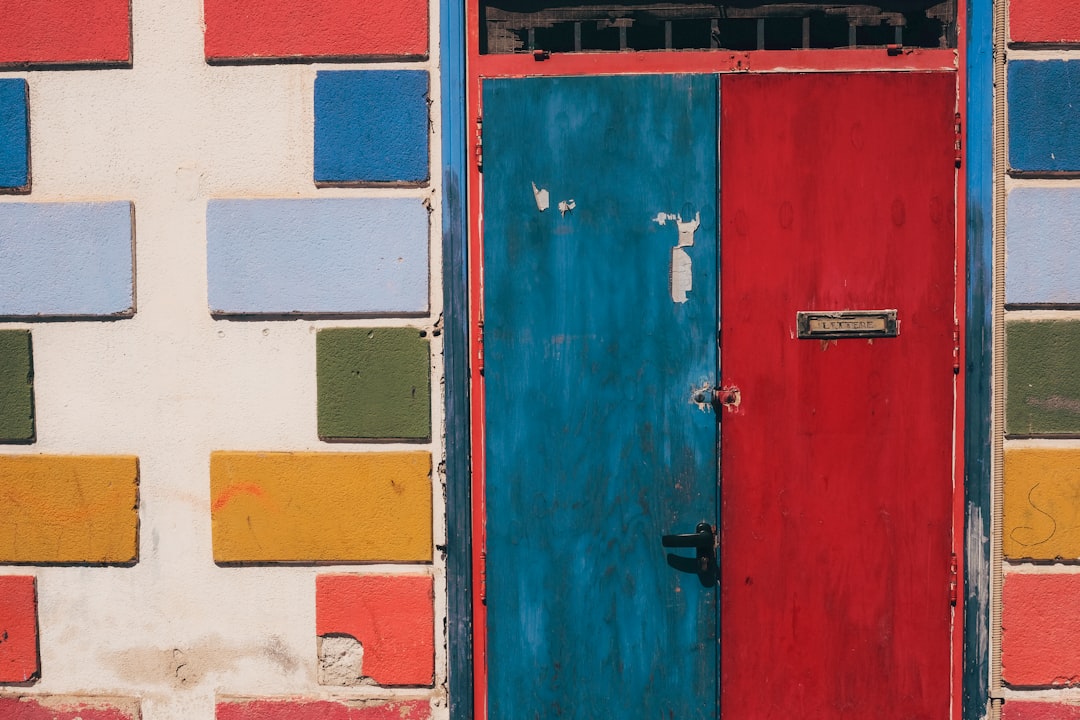
Photo by Cristina Gottardi on Unsplash
My grandmother kept every letter my grandfather wrote her during World War II in a shoebox under her bed. Sixty years later, when she passed, I found myself reading through those yellowed pages, each one smudged with his fountain pen, some with coffee stains and crossed-out words. I realized I had nothing like that from my own relationships—no physical evidence of affection, no artifacts of love. Just deleted text threads and cleared inboxes. That discovery hit harder than I expected.
I'm not alone in feeling this loss. Across the country, a quiet but persistent movement is pushing back against the tyranny of instant communication. People are writing letters again. Not emails. Not handwritten digital notes that get synced to the cloud. Actual letters—sealed in envelopes, bearing stamps, traveling through the mail system like they did a hundred years ago.
Why Letters Matter When Everything's Already Digital
The statistics are stark. According to the U.S. Postal Service, mail volume has declined by 56% since its peak in 2000. Yet something interesting is happening within that decline. While transactional mail has plummeted, the category of personal correspondence has stabilized. People aren't abandoning letters entirely—they're being more intentional about them.
"There's something about receiving a letter that makes you feel chosen," says Sarah Chen, who started a letter-writing club in Portland three years ago. Her group now has over two hundred members who meet monthly to write letters to strangers, friends, and causes they care about. "When you get a text, it's part of the noise. But a letter? Someone spent time. They chose a card, found a stamp, went to the post office. That's love."
The psychology behind this is real. Research from the University of British Columbia found that people who received handwritten notes experienced significantly higher levels of happiness and felt more valued than those who received digital messages with identical content. The medium, it turns out, is part of the message. Our brains register handwriting differently—it triggers different neural pathways than reading typed text.
There's also something profoundly rebellious about letters in 2024. They're slow. They can't be unsent. They require sitting down and thinking. In a world that's optimized for speed and infinite scrolling, a letter is an act of resistance. It says: you're worth my time. You're worth the time it takes me to think about what I want to say, write it carefully, and wait for you to receive it.
The Unexpected Letter Writers
You might assume letter writing is the domain of elderly people and literary types. You'd be wrong. Some of the most enthusiastic letter writers today are Gen Z—the people supposedly incapable of making phone calls.
On TikTok, the hashtag #letterwriting has over 4 billion views. Videos of people writing letters, decorating envelopes with washi tape and pressed flowers, and showing off their stationery collections rack up millions of views. These aren't ironic posts. They're genuine celebrations of a practice that feels countercultural to young people.
"For my generation, everything we create gets algorithmed and monetized," explains Marcus, a 22-year-old from Atlanta who writes at least a dozen letters a month. "Letters are just for the person you're writing to. Nobody else will ever see them. It's private in a way that almost nothing else in our lives is anymore."
Some of this enthusiasm is aesthetic-driven—the beautiful stationery, the wax seals, the handwriting itself becoming a form of self-expression. But there's also something deeper. Letters create permanence in a digital world where everything disappears. They're analog in the best way possible.
The Practice Gets Practical
Letter writing isn't just happening among enthusiasts and hobbyists. It's becoming embedded in mainstream practices. Wedding invitations have made a comeback, with couples deliberately choosing printed invitations over digital RSVPs. Therapists are recommending letter writing to clients as a form of emotional processing. Some people write letters they never send, working through grief or anger on paper.
Companies have noticed the trend too. Stationery brands like Papyrus and independent sellers on Etsy report booming sales. Fountain pen manufacturers, which seemed destined for extinction, are experiencing a renaissance. Leuchtturm and Rhodia notebooks, once niche items, now fly off Target shelves. The stationery aisle has transformed from a utilitarian corner to a destination.
The environmental question lingers though. Isn't paper wasteful? Shouldn't we be celebrating digital as the more sustainable option? The answer is complicated. Yes, paper has an environmental cost. But emails consume energy too, and they rarely spark joy. A few thoughtfully sent letters create more happiness per environmental impact than thousands of digital messages.
Like many cultural practices, letter writing works best when it's intentional rather than obligatory. The magic happens when you choose to write someone, not when you're required to by etiquette or social expectation. That choice—that deliberate decision to pick up a pen—is what makes the practice powerful.
Building Connection in an Algorithmic World
What's really happening with the letter revival is a reclamation of control over connection. Email algorithms decide what reaches our inbox. Social media algorithms determine what we see. Text messages disappear into an endless scroll. But letters—letters are a contract between two people. They arrive whether or not an algorithm thinks they're relevant. They stay because someone chose to keep them.
The Handwritten Letter Project, a nonprofit started in 2015, mails letters to people in hospitals, nursing homes, and homeless shelters. They've sent over half a million letters. The responses are overwhelming. People save them. Read them multiple times. Share them with visitors. A single letter can matter more than months of digital interaction.
This doesn't mean email is bad or technology is the enemy. Most of us need digital communication to function in the modern world. But we might need letters too—as a counterbalance, as a way of saying something matters enough to take time, as a reminder that intimacy requires friction and slowness.
There's also something democratic about the revival. Unlike other cultural trends, you don't need money to write a letter. Pen and paper are cheap. A stamp costs under a dollar. The barrier to entry is almost nonexistent, which might explain why the practice crosses age groups, socioeconomic backgrounds, and geography.
Your Turn
If this resonates with you, consider writing someone a letter this week. Not a thank-you note (though those are lovely). Just a letter. Tell someone what they mean to you. Share a memory. Ask them a question. Don't overthink it. Don't wait for the perfect stationery or the perfect words. Just write.
Because here's what I've learned since finding my grandfather's letters: the imperfect ones matter most. The scratched-out words, the coffee stains, the informal language—that's where the realness lives. That's what makes you feel someone's presence across time and distance.
Letters are slow culture in a fast world. They're persistent in an age of ephemerality. They're personal when everything else is becoming more automated and algorithmic. Maybe that's exactly what we need right now. For more on how we're reclaiming analog practices in digital times, check out our piece on the revival of dinner party culture—another practice proving that sometimes the oldest ways are the most meaningful.
Comments (0)
No comments yet. Be the first to share your thoughts!
Sign in to join the conversation.