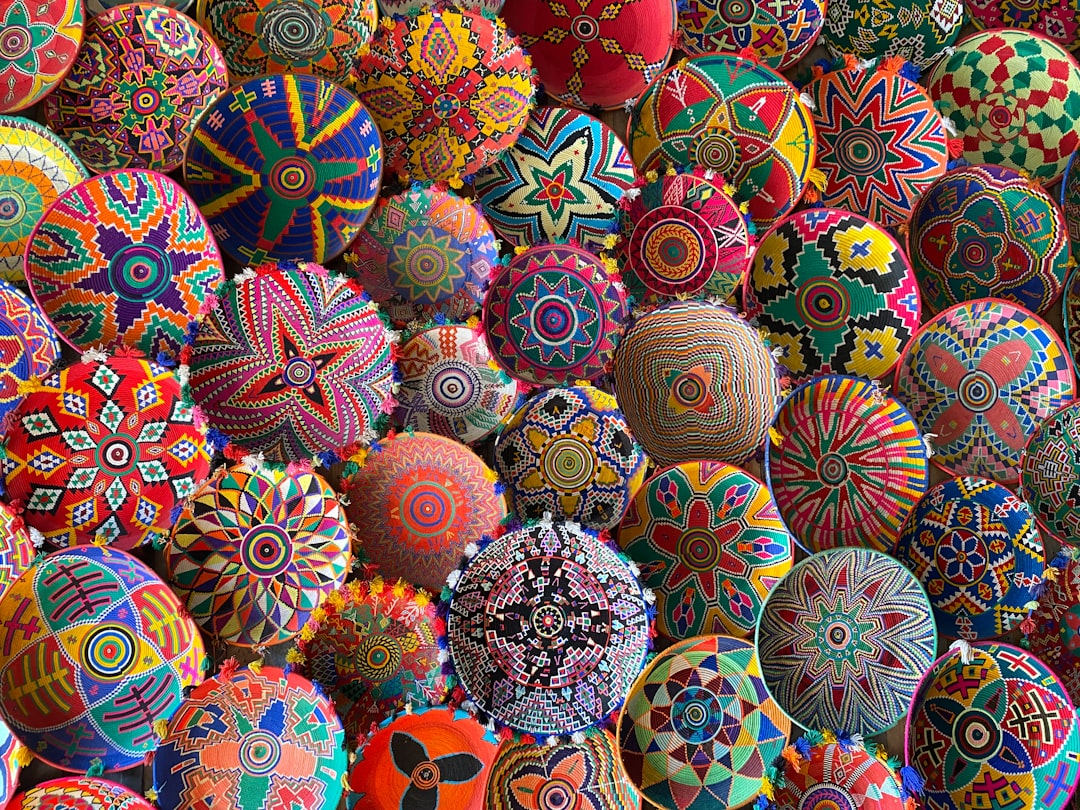
Photo by Samos Box on Unsplash
Walk into any Goodwill or Salvation Army on a Saturday afternoon, and you'll notice something has shifted. The aisles are crowded with people in their twenties and thirties, hunting through racks with the intensity usually reserved for Black Friday sales at designer boutiques. These aren't bargain hunters scraping by on tight budgets. They're young professionals, TikTok creators, and fashion-conscious consumers who are choosing secondhand not because they have to, but because they fundamentally don't want to participate in the system their parents built.
The numbers tell a story that's hard to ignore. According to a 2023 ThredUP report, the secondhand market reached $196 billion globally, with the resale sector growing 19 times faster than traditional retail. Among Gen Z, 73% have purchased from secondhand markets. It's not a niche hobby anymore. It's a cultural reset happening in real time, and it's forcing billion-dollar corporations to completely reimagine how they do business.
When Wearing Vintage Became a Flex
There's something distinctly performative about the way thrifting has become aspirational. A decade ago, wearing a thrifted item meant you were either broke or aggressively environmentally conscious—possibly both. Now? It means you have taste, cultural awareness, and the kind of effortless cool that money alone can't buy. The algorithm recognized this shift before most of us did.
TikTok is flooded with videos of creators pulling five-dollar designer blazers from thrift store racks, their genuine shock and delight racking up millions of views. These videos are genuinely entertaining because they tap into something primal: the hunt. The possibility that buried in a pile of sad polyester, there's a piece of authentic fashion history waiting to be discovered. That feeling—the gamification of thrift shopping—is something fast fashion, with its predictable seasonal drops and identical inventory across stores, simply cannot replicate.
What's remarkable is how this has become identity formation for younger generations. Unlike their millennial predecessors, Gen Z isn't defining themselves by the brands they buy. They're defining themselves by the brands they refuse to buy. Wearing a secondhand Nirvana t-shirt (whether you've actually heard them or not) or a vintage Y2K Baby Phat tracksuit signals something beyond fashion preference. It's a statement about values, individuality, and a quiet rejection of the system that was supposed to make them happy.
The Sustainability Narrative That Actually Stuck
Here's where it gets interesting. Unlike previous generations' relationship with sustainability—something that felt like homework assigned by concerned environmentalists—younger shoppers have made secondhand buying feel inevitable rather than virtuous. There's no guilt-tripping required. The logic is almost selfish in its simplicity: why would I buy new when this vintage piece is cheaper, more unique, and I get to avoid the existential weight of knowing exactly where my fast fashion came from?
The environmental argument is there, lurking beneath the surface. The average American throws away 81 pounds of clothing per year. The fashion industry produces 10% of global carbon emissions. These are facts that younger consumers absorbed through school, documentaries, and casual social media consumption. But what actually moved the needle wasn't guilt. It was the realization that sustainability could be cool, profitable, and exclusive in ways that virtue signaling never could be.
Platforms like Depop, Poshmark, and Vinted turned thrifting into social commerce. Suddenly, you weren't just shopping secondhand—you were part of a community. You could curate an aesthetic, build a following, and for some, actually make money reselling finds. A creator could buy a vintage piece for five dollars and sell it for fifty, and this didn't feel exploitative. It felt like winning.
The Brand Response: Panic and Opportunism
Legacy fashion brands initially tried to ignore the secondhand boom, hoping it would pass like every other trend. Then came the moment when they realized this wasn't a phase. This was a genuine alternative system threatening their market share. The response has been chaotic and contradictory.
Luxury conglomerates like LVMH and Kering began investing heavily in resale platforms. Burberry launched its own authentication service for the secondhand market. Nike created a resale platform. The irony is almost painful—the very brands built on creating artificial scarcity and planned obsolescence are now scrambling to monetize the secondhand market before independent platforms totally disrupt them. They're not doing this because they've had an environmental epiphany. They're doing it because the market has spoken, and the market wants used clothes.
Fast fashion brands, meanwhile, are caught in an impossible position. Their entire business model depends on rapid turnover, trend chasing, and the constant release of new inventory. The secondhand market directly threatens this. You can't upsell someone on new if they can get the old for cheaper and with better quality.
What This Says About Us
The thrifting boom is less about fashion and more about a fundamental shift in how younger generations view consumption, authenticity, and their relationship to material goods. Consider it alongside other cultural movements: the rise of mob wife energy, the obsession with vintage aesthetics, the rejection of influencer culture in favor of niche communities. There's a pattern here. Young people are rejecting the corporate-approved version of who they're supposed to be.
They're not trying to save the planet through consumption choices—that's performative in its own way. What they're actually doing is opting out. Opting out of paying premium prices for the privilege of wearing a logo. Opting out of the constant treadmill of keeping up with seasonal trends. Opting out of the false intimacy promised by brands that claim to understand them.
The secondhand revolution is really about autonomy. It's about having a genuine choice in how you present yourself to the world, unconstrained by what a retailer decided to stock in their stores. It's about the democratic belief that style and culture belong to everyone, not just those with access to full-price retail.
Thrift stores won't replace retail. But they've proven something radical: given the choice between an optimized algorithm and a dusty rack of surprises, a growing number of people will choose the latter. The fashion industry spent decades convincing us that more is better. Younger generations are quietly discovering that less—just arranged differently—might be the real luxury.
Comments (0)
No comments yet. Be the first to share your thoughts!
Sign in to join the conversation.