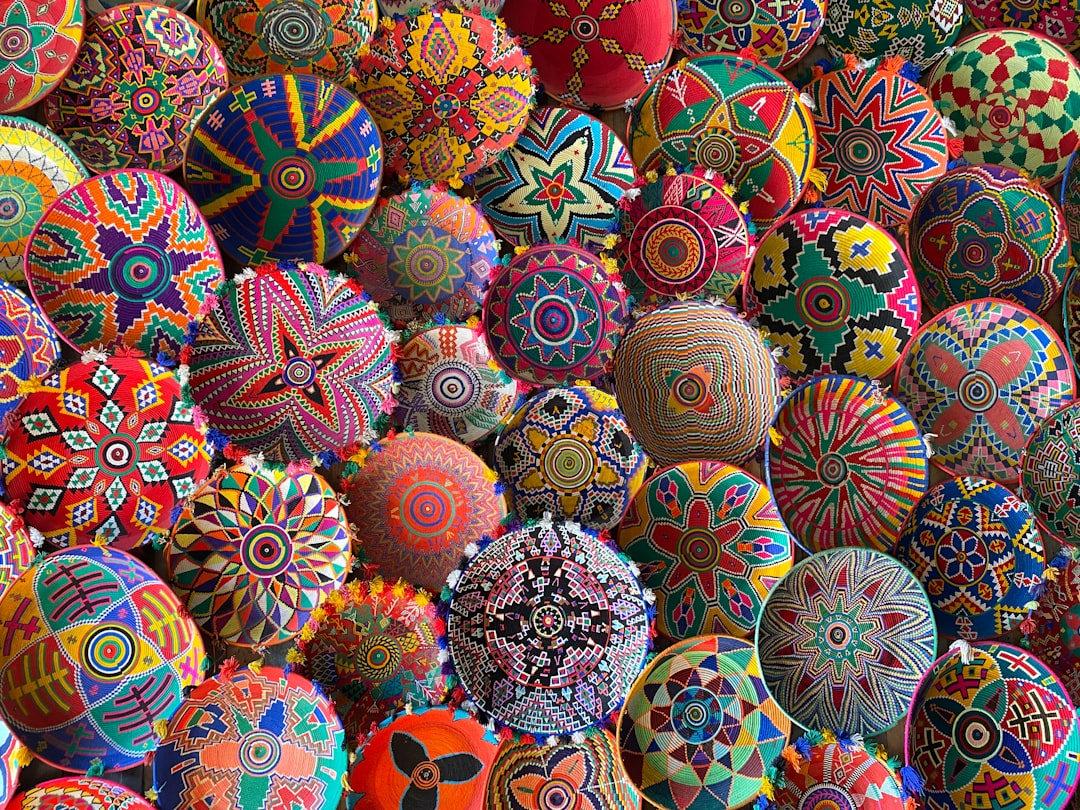
Photo by Samos Box on Unsplash
When Mark Hendricks paid $3,500 for a 1961 Kellogg's Rice Krispies box featuring a pristine image of Snap, Crackle, and Pop, his wife thought he'd lost his mind. She wasn't entirely wrong to be skeptical. But what seemed like madness is actually part of a thriving subculture of collectors who treat breakfast cereal packaging like rare artifacts worthy of museum preservation. The cereal collecting community—yes, it's real and it's surprisingly organized—has exploded over the past fifteen years, turning cardboard boxes that once held nothing more valuable than sugary oats into legitimate financial assets.
From Kitchen Staple to Investment Portfolio
The origin story of cereal collecting isn't particularly glamorous. It started with nostalgia. Adults in their forties and fifties began hunting down cereal boxes from their childhood—not to eat the contents, but to remember the feeling of Saturday morning cartoons and simpler times. But nostalgia quickly evolved into something far more obsessive and economically complex. By the mid-2010s, serious collectors were treating cereal boxes with the same reverence typically reserved for vintage comic books or original artwork.
What changed everything was the internet. Before eBay and dedicated collector forums, a pristine 1968 Frosted Flakes box might have been worth $200 to the right person. Now? That same box recently sold for $4,200. The shift happened partly because collectors could finally connect globally, creating actual demand curves instead of isolated pockets of interest. A 1950s Post Toasties box with a Norman Rockwell illustration now regularly commands prices between $1,500 and $8,000, depending on condition and rarity. These aren't prices driven by speculation or hype—they're consistent across multiple sales platforms.
The economics make sense once you understand what you're actually buying. You're not purchasing breakfast cereal. You're purchasing a specific moment in American design history, advertising history, and cultural memory. Each box represents decisions made by graphic designers, marketers, and manufacturers about what would catch a consumer's eye in a grocery store. And those decisions changed constantly.
The Weird Hierarchy of Breakfast Desirability
Not all cereal boxes are created equal in the collector's market. There's a clear hierarchy, and it's governed by factors that seem almost arbitrary until you study the market more carefully.
First-edition boxes from iconic brands command premium prices. A 1958 Cheerios box in excellent condition (collectors use specific grading terminology: mint, near-mint, fine, and very fine) can fetch $2,200. Early Tony the Tiger editions are particularly valuable because that character has remained relatively consistent, making pre-1960 versions feel almost foreign by comparison. The more dramatic the design evolution, the more valuable the old versions become.
Limited editions and special releases occupy the upper echelon of the market. In 2019, someone paid $12,500 for a collection of three Honey Nut Cheerios boxes that featured limited-edition animated characters. Were those boxes objectively different from regular Honey Nut Cheerios? Not really. But they were ephemeral. They existed for maybe six weeks before being discontinued and replaced with new designs. That temporary existence is what creates value.
Regional variations add another layer of complexity. A Frosted Flakes box sold exclusively in Canada in 1972 is worth significantly more than an American version from the same year, simply because fewer examples survived. Rarity combined with desirability equals price appreciation. It's Economics 101, applied to breakfast food packaging.
What's genuinely fascinating is how the cereal collecting community has developed its own standards and authentication processes. The Cereal Box Collectors Club, founded in 1997, maintains detailed databases of every significant release, variant, and known example. Members use these resources to verify authenticity and establish fair market values. It's the same level of organization you'd find in the comic book grading world or vintage car collecting scene.
The Psychology of Collecting Cardboard
Why does someone spend thousands of dollars on a box of cereal nobody will ever eat? The answer reveals something about human psychology and how we assign value to objects.
For many collectors, it's genuinely about preservation. They see themselves as custodians of cultural artifacts that would otherwise be thrown away. Cereal boxes get tossed into recycling bins every single day. The idea that future generations might never experience the specific design language and marketing techniques of 1970s cereal packaging genuinely bothers preservationists. In their view, these boxes deserve the same archival treatment as rare books or photographs.
For others, it's pure financial speculation. They follow market trends, buy undervalued boxes, and sell when prices appreciate. A few dedicated collectors have built impressive personal collections worth over $200,000. These aren't people eating Cinnamon Toast Crunch for breakfast. They're treating the secondary market for cereal packaging as a legitimate alternative investment vehicle.
And then there's the aesthetic component. Some boxes are genuinely beautiful. The Art Deco-influenced designs of 1930s Kellogg's boxes. The psychedelic trip of 1970s Cap'n Crunch imagery. The bold geometric experimentation of 1980s designs. When you look at these objects without the bias of commercial purpose, they're genuinely interesting visual compositions. Collectors who focus on this angle are essentially curating gallery shows in their own homes.
The Modern Market and Celebrity Endorsements
What's pushing prices even higher is celebrity culture. When a limited-edition box features a major celebrity or athlete, values spike dramatically. Michael Jordan Wheaties boxes from the 1980s now sell for $800 to $2,000 each. A limited-edition Serena Williams Cheerios box from 2016 went for $1,100 at auction, despite being relatively recent.
These recent spikes have attracted a new breed of collector: younger investors who see cereal boxes as an alternative asset class comparable to sneaker collecting or NFTs. The parallel is apt. Both involve scarcity, nostalgia, and the psychological satisfaction of owning something that other people want but can't have.
If you're interested in how collectors assign value to everyday objects that shouldn't have monetary worth, you should check out The Weird Renaissance of Dust Jacket Collecting: When Book Covers Became Worth More Than the Stories Inside—it explores a similar phenomenon in the book world.
The Future of Breakfast Box Collecting
The big question is whether this market is sustainable or whether it's a bubble waiting to deflate. Markets for collectible objects historically move in cycles. Comic books experienced massive booms and busts. Baseball cards have followed similar patterns. Cereal box collecting is still young enough that the market hasn't fully matured, but signs suggest genuine institutional interest developing.
Museums have started acquiring significant collections. The Smithsonian Institution now maintains an archive of historically significant cereal boxes. Universities have included cereal box design in their curriculum as examples of effective commercial art. This institutional validation matters because it suggests the cultural importance of these objects is being recognized beyond niche collector communities.
The real test will come in the next decade. If major auction houses like Christie's and Sotheby's start hosting dedicated cereal box sales—as they've begun doing with sneakers and other alternative collectibles—we'll know the market has achieved legitimacy. For now, the community remains wonderfully weird and wonderfully passionate about breakfast packaging. And honestly, that's exactly how niche cultural movements should feel.
Comments (0)
No comments yet. Be the first to share your thoughts!
Sign in to join the conversation.