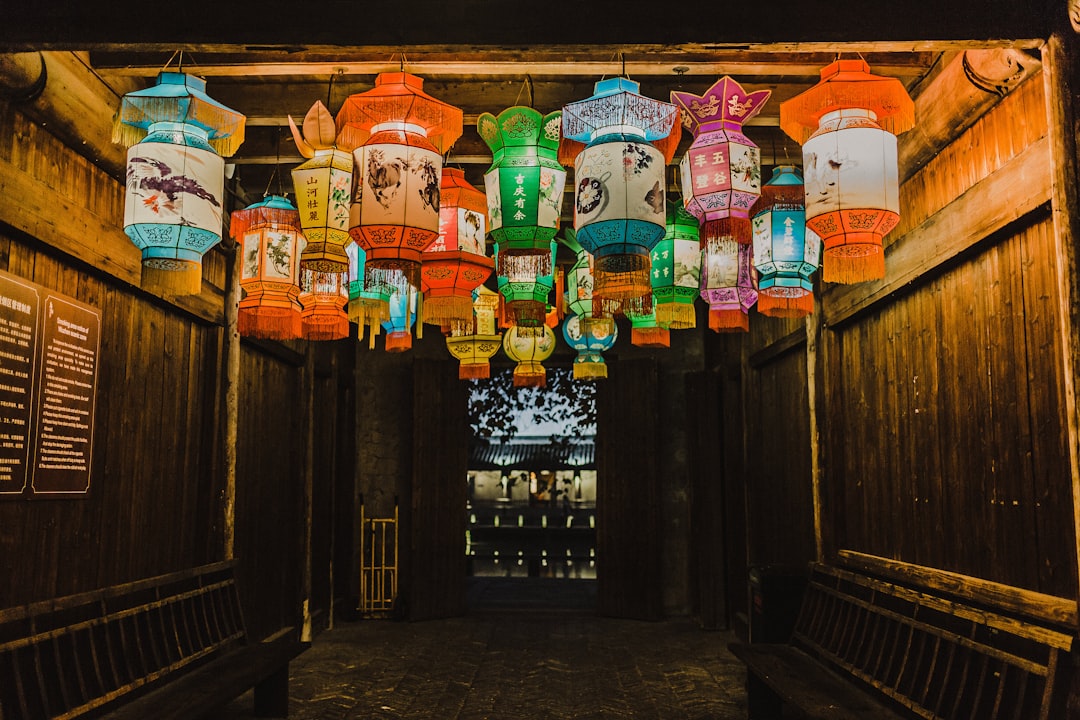
My grandmother threw a dinner party every other Saturday. Not the kind of thing you saw coming weeks in advance on a Paperless Post invitation. Just Saturday. Everyone knew. The table would be set with mismatched plates, the kitchen would smell like garlic and thyme, and by 8 PM, there would be eight to twelve people seated around wood that had hosted thousands of conversations.
That world feels archaeologically distant now.
When Did We Stop Gathering?
The numbers tell a startling story. According to research from the Survey of American Family Life, the percentage of Americans who regularly host dinner parties has dropped by nearly 60% since 1990. We're not just hosting less frequently—we're hosting at all. Young people between 25 and 34 throw dinner parties at roughly one-third the rate their parents did. Some of this decline happened before the pandemic, which simply accelerated an already collapsing cultural habit.
It's not that we've stopped eating dinner. We're just doing it differently. Solo meals while streaming have become the default. Restaurant visits have replaced home hosting. And when we do gather, it's often around screens rather than tables—watching the same show "together" on separate couches, each trapped in our own notification ecosystem.
The reasons are practical on the surface. Our lives are busier. Apartments are smaller. Clean-up feels monumental. The anxiety of "doing it right" has become paralyzing. But these explanations, while true, miss something deeper about what we're actually losing.
The Hidden Curriculum of the Dinner Table
A dinner party isn't just about food. It's a masterclass in human skills that can't be downloaded or optimized. When you host, you learn constraint. You cook something that feeds people you care about with the actual hours of your day. You can't edit what you've made. You can't take it back. You have to live with your choices.
The table teaches negotiation without resolution. Someone inevitably brings up politics. A guest says something ignorant or hurtful. You're sitting three feet from them for another two hours. You can't leave the conversation. You learn to hold disagreement while still breaking bread together. This is a skill that doesn't transfer from any algorithm.
There's also something unreplicable about being fed by someone. It creates an obligation that's not transactional. When a restaurant serves you, you pay and the relationship ends. When someone cooks for you in their home, something shifts. You owe them presence and attention. You become part of a small economy of care.
My friend Sarah, who still hosts monthly dinners despite living in a cramped Brooklyn apartment, told me recently: "People come to my house and they actually look at each other. They're not half-present. They can't be. There's nowhere else to be." She's right. There's a peculiar honesty that emerges when you're committed to a physical space with actual humans for an extended period.
What We've Replaced It With (And Why It's Not Enough)
We've outsourced the dinner party. Restaurants now offer "experiences"—themed evenings, chef's tables, Instagram-friendly plating. These can be wonderful. But they're not the same. You're a consumer in someone else's curated environment. The power dynamic is entirely different.
Social media has also created a performance version of gathering. People host "dinner parties" primarily to photograph them, curating the aesthetic rather than the experience. The Zoom dinner party promised connection during lockdown but largely delivered a more awkward, more exhausting version of loneliness.
What troubles me most is how quickly the infrastructure of dinner party culture has evaporated. Fewer people own proper dining tables. Young people aren't learning to cook for groups because they're not seeing it modeled. The knowledge gets lost generationally. Small acts of intentional culture-building like the library tote show we still crave tangible, deliberate participation—we're just not channeling it toward hospitality anymore.
Can We Get This Back?
The uncomfortable truth is that rescuing the dinner party requires something we've collectively decided not to do much anymore: prioritizing a few people over many. Dinner parties are inefficient. They take time. They require you to say no to other things—the email you could answer, the show you could watch, the networking event that might "lead somewhere."
But that inefficiency is the point. Life isn't optimized through dinner parties. Connection isn't upgraded. You simply feed people you want to know better and give yourself permission to be fully present for a few hours. That used to be called normal. Now it feels radical.
Some people are reclaiming this. I've noticed a subset of people deliberately hosting again—not as performance, but as resistance. They're in their thirties and forties, mostly, people who grew up seeing their parents do this and remember how it felt. They're teaching themselves to cook. They're inviting neighbors. They're creating the kind of spaces where something actual might happen.
It won't become mainstream again. We've moved on. But maybe that's okay. Maybe the dinner party becomes what it perhaps always was underneath the custom—not an obligation, but a privilege. Something you do because you believe it matters. Something that, in its quiet refusal to optimize or monetize, says something urgent about what you value.
My grandmother's Saturday dinners taught me that. She wasn't trying to save culture. She was just making enough food for people she loved, knowing they'd come. It turned out that's all revolution ever needed to be.
Comments (0)
No comments yet. Be the first to share your thoughts!
Sign in to join the conversation.