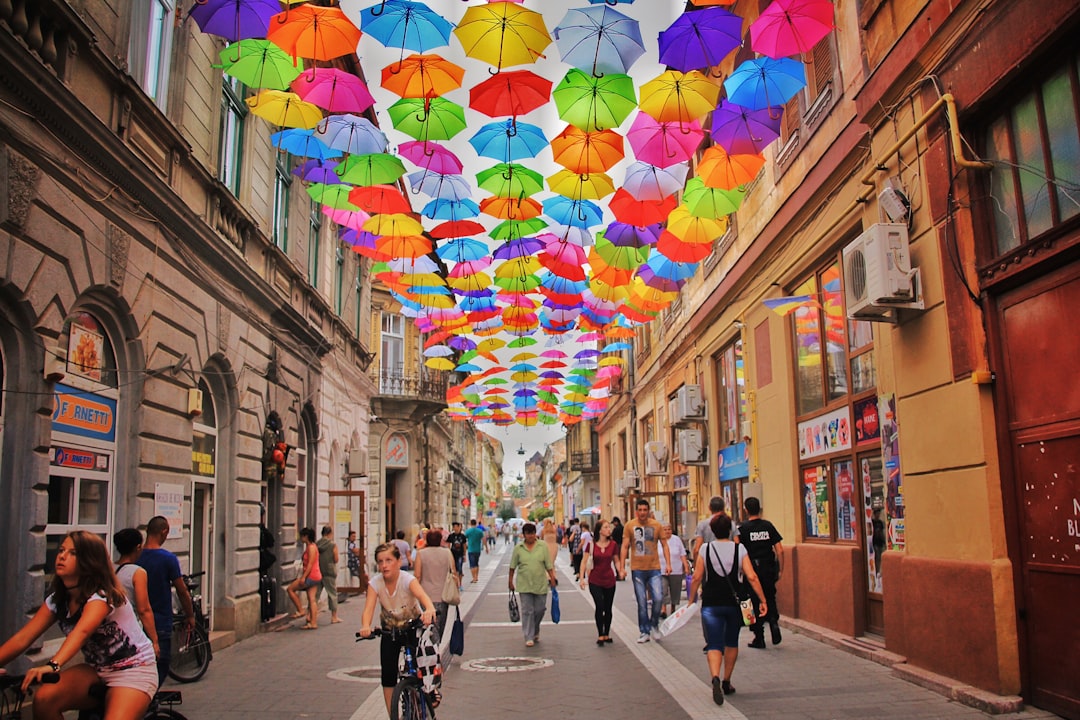
Photo by Haseeb Jamil on Unsplash
My mother owns exactly 847 cookbooks. I counted them once during a pandemic-induced fit of boredom, pulling each one from the shelves of her kitchen, her bedroom, and the basement storage area she refuses to call a "collection problem." Most of them are pristine. Uncracked spines, pages unmarred by splatter stains, recipe cards that have never been written on. She bought them with intention. She read the introduction to each one with genuine interest. She never actually cooked from most of them.
I mention this because my mother is not alone. For decades, cookbooks occupied a peculiar space in our homes—they were simultaneously practical tools and aspirational décor, right up there with coffee table books about Scandinavian minimalism and leather-bound collections of poetry nobody reads. They promised transformation. They suggested that with the right instructions and ingredients, you could become a different person. A better cook. A more sophisticated host. Someone who owned a mortar and pestle and knew what to do with it.
Then something shifted. Not gradually. All at once.
When Cookbooks Stopped Being Necessary
The turning point arrived sometime around 2016, give or take. This is when most people stopped needing cookbooks because they could simply open their phones and find instructions for literally anything. Need to make beef bourguignon? Google it. Want to know the precise temperature for salmon? There's a TikTok. Curious about fermenting hot sauce in your closet? Reddit has seventeen detailed guides with photographs.
The irony is crushing: just as cooking content became more abundant and accessible than ever before, cookbook sales began their steady decline. According to the Association of American Publishers, adult cookbook sales dropped by nearly 20 percent between 2018 and 2022, even as food-focused content exploded across digital platforms. People were watching more cooking videos, reading more recipes online, and engaging with food media at unprecedented rates. They were just doing it on screens instead of on pages.
But it's not purely about convenience. There's something else happening here—something about what cookbooks represented that no longer resonates. They were always about more than just food.
The Death of the Aspirational Kitchen
Consider the trajectory of the celebrity cookbook. Julia Child's "Mastering the Art of French Cooking" wasn't just a recipe collection—it was a promise of self-improvement wrapped in cream sauce. You bought it, worked through it, and theoretically emerged as a more cultured version of yourself. Martha Stewart's empire was built on the same foundation: the cookbook as a roadmap to becoming someone more polished, more capable, more worthily alive.
These weren't books for people who already knew how to cook. They were for people who wanted desperately to become the kind of people who cooked. There's a crucial distinction. The cookbook was a talisman against ordinariness, a physical artifact you could point to as evidence of your potential.
That promise died faster than anyone expected. Partially because we collectively admitted, sometime around 2017, that we don't actually have time to spend three hours on a single meal. Partially because aspiration itself became exhausting—the whole self-improvement industrial complex started feeling less motivating and more like judgment. But also because the cookbook, as a physical object, belonged to a world where you had to commit to a vision before trying it. You had to buy the book, bring it home, and trust that the cover's pretty photograph represented your actual future.
Digital recipes operate differently. They're commitment-free. Judgment-free. You can try seventeen different carbonara recipes in one month without accumulating 847 books on your shelves.
What Gets Lost When Cookbooks Disappear
Here's what haunts me: there's something meaningful about a cookbook that scrolling through Google recipes can never quite replicate. A well-written cookbook has a voice. It has logic. It builds on itself. There's a difference between finding a random pad thai recipe online and working through a cookbook that understands Thai cooking deeply enough to teach you not just the recipe, but the principles underneath it.
Consider Fuschia Dunlop's "The Food of Sichuan," which isn't really trying to teach you to cook—it's trying to teach you to *understand* cooking in a specific tradition. It can't exist on a TikTok. It can't fit in an Instagram post. It requires sustained attention and the willingness to sit with complexity. That's harder to sell now. We want solutions faster.
There's also something about the specificity of a person's vision that matters. When you cook from a cookbook, you're cooking with someone. When you cook from Google, you're just executing commands. You're not in conversation with anyone's perspective or experience. You're just following steps.
The rise of algorithm-driven content means you rarely encounter challenging recipes, unfamiliar ingredients, or techniques that require actual practice. You encounter things that performed well. Popular things. Safe things. This is excellent for efficiency and terrible for growth.
The Boutique Cookbook Renaissance (It's Real, I Promise)
There is, however, a strange countermovement worth noting. While mass-market cookbooks have collapsed, a different kind of cookbook has flourished. These are expensive, deliberately-designed objects from small publishers and independent creators. "Nourishing Meals" by Alison Roman. "Salt, Fat, Acid, Heat" by Samin Nosrat. "Crying in H Mart" by Michelle Zauner, which isn't even really a cookbook but reads like one because Zauner understood something cookbooks do better than anything else: they're about memory and identity and survival.
These books succeed because they're not trying to be comprehensive. They're not trying to teach you everything about cooking. They're offering something more specific and valuable: a person's actual way of thinking about food. They cost more. They sell fewer copies. They linger on shelves for decades because people actually return to them.
This might be the real future of cookbooks. Not the death of the format, but its transformation into something more honest. Not a tool for becoming someone else. Not a symbol of aspirational living. Just a person, on paper, sharing what they've learned about feeding themselves and the people they love.
My mother still buys cookbooks, actually. But now she cooks from them. There's a difference between a collection and a practice. Maybe that's what had to happen. The cookbooks that disappeared were never really about food at all.
They were about who we wanted to be. Now we're finally asking a simpler question: who do we actually want to feed?
For more on how we relate to objects in our homes, check out "Why Millennials Can't Stop Collecting Vinyl Records They'll Never Play," which explores the same tension between aspiration and reality in a different medium.
Comments (0)
No comments yet. Be the first to share your thoughts!
Sign in to join the conversation.