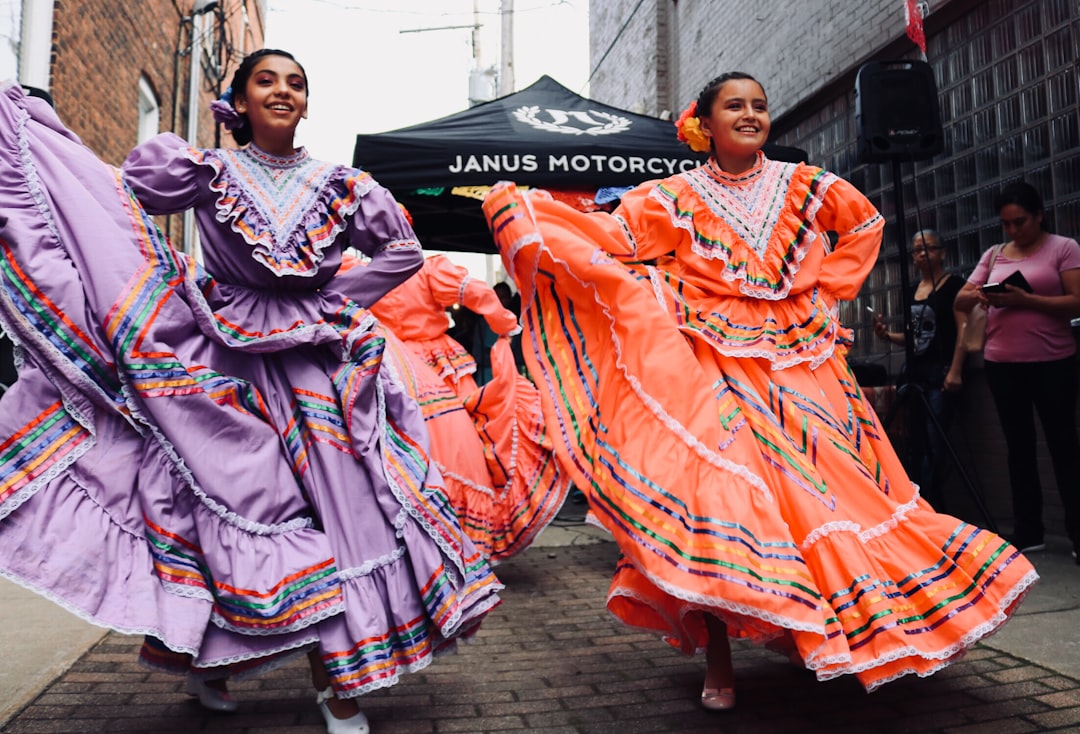
Photo by sydney Rae on Unsplash
Sarah discovered her grandmother's recipe collection by accident while cleaning out a storage unit in 2019. The battered index cards, stained with decades of butter splatters and coffee rings, weren't organized alphabetically or by meal type. Instead, they were arranged in a deeply personal order: the recipes her grandmother had made most often, scribbled notes in the margins about which grandchildren loved which dishes, crossed-out measurements where she'd experimented and perfected.
What struck Sarah most wasn't the recipes themselves—she could find most of them online in seconds. It was the marginalia. A note next to the lemon meringue pie recipe: "Thomas hates when the filling is too runny. Cook 2 min longer." Beside the beef stew: "Doubled this for the church fundraiser, 1987." A small heart drawn next to the brown butter chocolate chip cookies.
Sarah started sharing photos of these cards on Instagram. Within weeks, her posts had generated thousands of comments from people confessing the same thing: they were digging through their own families' archives, scanning old recipes, and in some cases, choosing to cook exclusively from handwritten collections instead of using apps like Yummly or All Recipes.
When Algorithms Met Appetite: The Turning Point
The shift is real enough that food historians and cultural observers have started tracking it. Pinterest reported in 2023 that searches for "grandmother's recipes" and "family cookbook" had increased by 180% over the previous three years. Meanwhile, cookbook sales—print versions specifically—have surged since 2020, with vintage and used cookbooks dominating the second-hand market.
What happened? We collectively got tired of opening our phones to find recipe suggestions based on our browsing history, our purchase patterns, and algorithms designed to keep us scrolling for 40 minutes instead of cooking for 40 minutes. The recipe rabbit hole became inescapable: click on one beef bourguignon video, and suddenly your entire feed is French cooking tutorials. Instagram influencers with perfect lighting and their third batch of the day staring back at you, making you feel inadequate before you've even bought groceries.
"There's an anxiety baked into digital recipe culture," says Emma Thompson, a food studies professor at Portland State University. "Every recipe comes with 847 reviews, dietary labels, allergen warnings, and a comments section full of people saying 'I made this and changed literally everything and it was terrible, one star.' It removes the permission to just cook."
The handwritten recipe, by contrast, comes with implicit trust and built-in imperfection. Your grandmother's chicken casserole wasn't tested by 12,000 home cooks. It was perfected once, for your grandfather's taste, and that specificity is exactly what makes it feel real.
The Nostalgia Factor (And Why It's More Than Just Feelings)
Part of this is pure nostalgia, sure. But there's something deeper happening too. The youngest millennials and older Gen Z individuals grew up with unprecedented access to information—if you wanted to know how to make croissants, you had unlimited tutorials. And yet, that abundance created a strange emptiness. There's no story in an algorithm. There's no lineage.
Consider the difference between learning to make your mother's lasagna from her handwritten recipe versus Googling "best lasagna recipe" and finding 400 options. In the first scenario, you're not just learning a technique—you're inheriting something. You're continuing a specific version of a dish that has moved through your family's hands. In the second scenario, you're just selecting a product.
This is why people have started digitizing their family recipes with the reverence usually reserved for heirloom quilts. Websites like The Silent Rebellion: Why Millions Are Ditching Streaming to Buy Used Books from Independent Sellers documents a similar retreat from the algorithmic toward the tangible and personal—and the cookbook phenomenon follows the exact same pattern. There's a hunger for things that were chosen because they mattered, not because they were optimized to matter.
Rachel Hollis, who runs a supper club in Brooklyn, started asking dinner guests to bring their family recipes instead of wine. "People got genuinely emotional," she recalls. "One woman brought her Polish grandmother's pierogi recipe, written in Polish with English phonetic spellings. Another brought a recipe her father had invented. Suddenly, dinner became about heritage instead of just food."
The Resurgence of Handwritten Knowledge
This movement has economic ramifications too. Vintage cookbooks—particularly those published between 1940 and 1980—are now collector's items. A 1962 edition of "Mastering the Art of French Cooking" can fetch $200 on Etsy if it has minimal markings. But the really valuable ones? Those are the ones that are completely destroyed by use, spattered with ingredient evidence, with marginalia filling every blank space. Those are the ones people actually cook from.
Some families have even started hosting "recipe documentation days," treating the task of writing down the family's traditional dishes with the formality of an oral history project. Charlotte Druckman, a food writer and cultural analyst, sees this as part of a larger turn toward preservation of intangible culture. "We're losing knowledge," she notes. "Not just recipes, but the reasoning behind them—why certain ingredients were combined, what they meant culturally, how they evolved."
The handwritten recipe becomes a time capsule. It captures not just what was made, but when it mattered, why it was important, and who it was made for. An algorithm can't replicate that, no matter how sophisticated the machine learning.
What This Actually Means
The retreat from algorithm-driven recipe discovery isn't really about rejecting technology. It's about reclaiming agency in a space where we've been systematized to death. It's about wanting to cook something because our grandmother made it, not because TikTok decided we needed to see it today.
Your grandmother's stained index cards, her marginal notes, her specific preferences written in her handwriting—these things are irreplaceable. They're also increasingly rare, as younger generations grow up without them. Which is exactly why people are starting to create them: writing down recipes by hand again, adding notes, treating the act of recording food as something sacred instead of something you search for.
The next time you find an old cookbook at an estate sale or your parent mentions a recipe they've always made from memory, treat it like the artifact it is. Cook from it. Mark it up. Improve it. Pass it on. The algorithm will always be there when you need 400 options. But the handwritten recipe? That only exists if someone actually decides it matters enough to preserve.
Comments (0)
No comments yet. Be the first to share your thoughts!
Sign in to join the conversation.