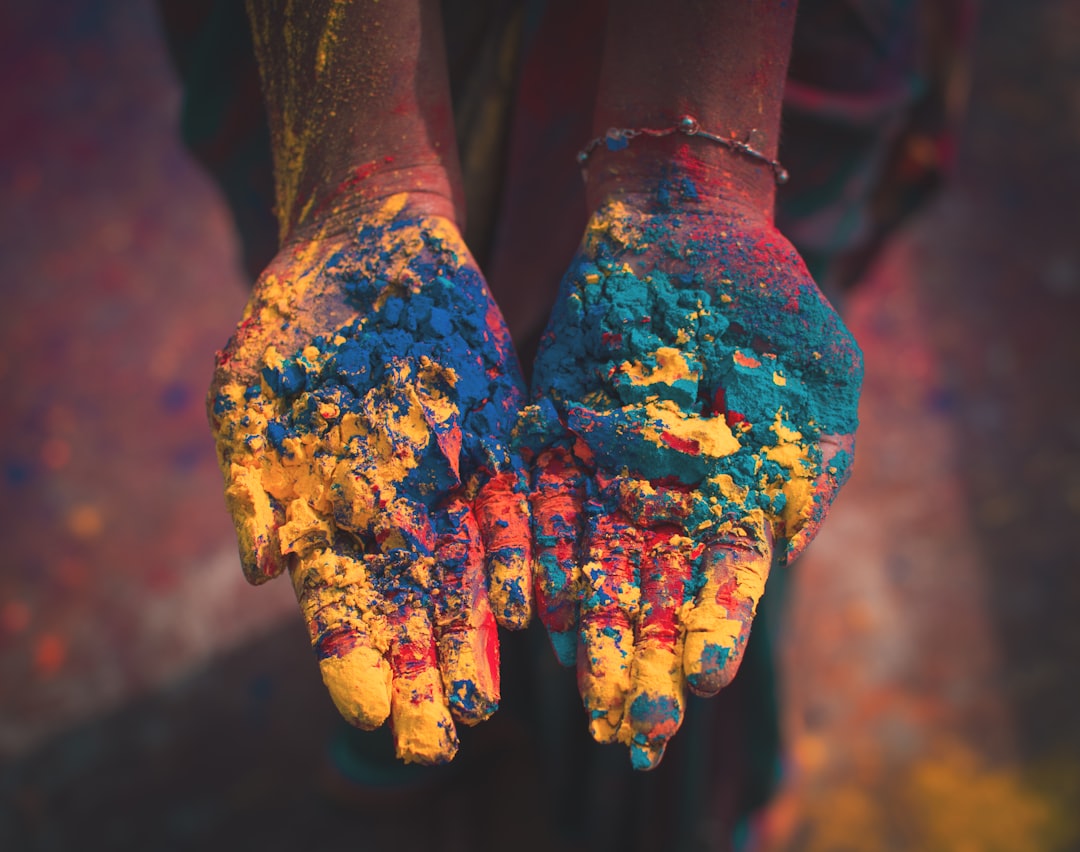
Photo by Debashis RC Biswas on Unsplash
Sarah Chen, a 28-year-old marketing manager from Portland, has watched the same episode of her grandmother's homemade dumplings being prepared approximately forty-seven times. Not on TikTok. Not on a polished Netflix production. But on a grainy 2003 camcorder recording her uncle digitized and uploaded to a private family Google Drive. She's memorized every pause, every pinch of ginger, every cryptic instruction like "until it feels right." She's made those dumplings exactly once, and they were terrible. She's watched the video again since then.
This is not an isolated incident. This is a cultural phenomenon that's quietly reshaping how an entire generation relates to food, tradition, and the very concept of entertainment.
The Accidental Influencers Nobody Asked For
There's something deeply ironic about the moment we're living through. Millennials and Gen Z—the demographic that grew up rejecting their parents' "boring" home cooking in favor of Seamless delivery and artisanal food trucks—are now treating their grandmothers like they're world-class celebrities.
TikTok's "nonna" trend exploded in 2021 when videos of Italian grandmothers casually making fresh pasta began accumulating millions of views. But what started as a niche interest in Italian nonnas has spiraled into something far more expansive. There are Korean grandmothers making kimchi. Palestinian grandmothers preparing musakhan. Indian grandmothers rolling perfect rotlis. Jewish grandmothers demonstrating the exact technique for chicken soup. The videos aren't slick. They're not sponsored. Nobody's wearing ring lights.
Yet they're destroying the viewership numbers of professional cooking channels. A 2023 survey by the International Food Blogger Association found that 64% of Gen Z participants said they trusted cooking advice from family members more than from verified culinary experts with millions of followers. Let that sink in. We've reached a point where authenticity—the slightly shaky camera work, the unperfected technique, the inexplicable tangents—has become the most valuable currency in food media.
Consider Lidia Bastianich. For decades, she's been THE Italian cooking authority. Prestigious restaurants, James Beard Awards, multiple cookbooks. And yet, a 67-year-old grandmother from Naples posting 90-second clips of herself making Sunday ragù has captured something Bastianich, despite all her credentials, simply cannot replicate: the feeling of sitting in someone's kitchen while they cook for you.
When "Good Enough" Became Better Than Perfect
We've spent the last fifteen years consuming hyper-produced food content. Gordon Ramsay yelling at line cooks. Top Chef's manufactured drama. Instagram food bloggers spending eight hours styling a single plate. There's been this arms race toward perfection, toward trendiness, toward making food into a performance art.
And we're tired of it.
The appeal of grandmother content is almost insultingly simple: it documents real humans making real food in real kitchens. No fake "oops, isn't this relatable" moments. No carefully curated difficulty levels designed to make viewers feel inadequate. Just someone who's made the same dish ten thousand times, moving through the motions with the kind of muscle memory that transcends recipes.
There's also something quietly revolutionary about watching content where the creator isn't trying to build a brand. These aren't people thinking about the algorithm. They're not consulting their analytics dashboard or worrying about whether their thumbnail is clickable enough. They're just... cooking. Making food for their family, the way they've always done it.
This shift has profound implications for how younger generations view food itself. When you watch a grandmother make pasta, you're not watching a "recipe"—you're watching knowledge being performed. The way she judges if the dough is ready by touch. The moment she knows the water is at the right temperature. The precise second she removes something from the pan. These things can't be reduced to measurements or technique breakdowns. They have to be learned through repetition and intuition.
The Deeper Hunger Beneath the Trend
But here's what's really happening, beneath the viral videos and the meme accounts dedicated to celebrating nonna culture: a generation is trying to access something they never had.
Millennials and Gen Z grew up in an era of unprecedented geographic mobility. Your parents might live three thousand miles away. Your grandparents might be on another continent. The nuclear family, already fractured by work demands and financial necessity, was further scattered by opportunity and circumstance. For many people in these generations, the experience of having someone cook for you regularly—of inheriting knowledge through proximity rather than YouTube tutorials—is a nostalgic fantasy for a life they never actually lived.
These grandmother videos fulfill a specific kind of longing. They're a way to participate in a cultural practice—the passing down of food knowledge—even if your own family wasn't able to do that for you. They're a way to feel connected to a tradition, whether it's your own tradition or one you're adopting by proximity.
It's also why the broader cultural shift toward valuing authenticity over polish has accelerated so dramatically. We're living through a moment where we're collectively rejecting the polished, processed, optimized versions of culture in favor of something that feels real—even if that reality is mediated through a screen.
What This Means for Food Culture Moving Forward
The grandmother effect isn't just changing what we watch. It's changing what we cook. Sales of traditional kitchen tools—mortars and pestles, cast iron pans, wooden spoons—have surged among younger demographics. Interest in regional cooking, in slow food movements, in ingredient sourcing has skyrocketed. People are trying to recreate not just recipes, but the entire experience their grandmothers represented.
Some of this will inevitably become commodified. There will be brands leveraging the "authentic grandmother aesthetic." There will be cooking influencers who become famous precisely because they're playing at being less famous. The algorithm will try to package this realness and sell it back to us.
But the fundamental shift—the realization that we actually want food that reflects real life rather than performing perfection—that's here to stay. And honestly? The world could use more of that.
The next time you watch someone's grandmother make something in a video, pay attention to how you feel. It's probably not just hunger. It's probably something deeper—a recognition that real knowledge, real tradition, real nourishment doesn't need to be flashy to be valuable. Sometimes it just needs to be true.
Comments (0)
No comments yet. Be the first to share your thoughts!
Sign in to join the conversation.