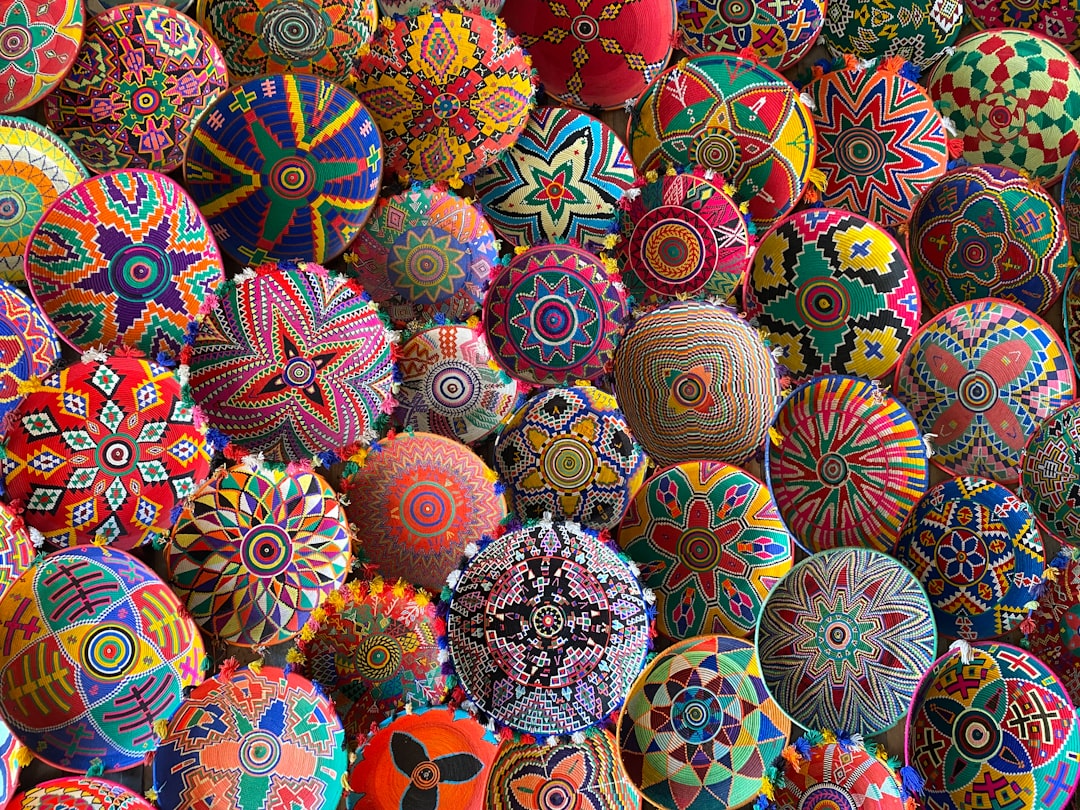
Photo by Samos Box on Unsplash
Sarah discovered her grandmother's handwritten recipe box in her attic last spring. Inside were dozens of yellowed index cards—instructions for everything from beef Wellington to chocolate layer cake, each one annotated with tiny notes: "Add vanilla last," "Don't overmix," "Perfect for church potlucks." Within weeks, Sarah had purchased a Dutch oven, invested in King Arthur flour, and started her first sourdough starter. She named it Beatrice. She posts photos of her bakes to Instagram. She has 3,400 followers.
Sarah's story isn't unusual anymore. It's become the defining culinary narrative of the past five years, wrapped up in what might be the most pervasive aesthetic movement since minimalism: cottagecore kitchen culture. Walk through any bookstore and you'll see shelves groaning under the weight of heritage baking books. Scroll through TikTok and you'll find thousands of videos of people kneading dough with flour-dusted hands, their countertops styled like they're auditioning for a Potterybarn photoshoot. The sourdough starter has become as much a status symbol as a Tesla, except infinitely more fragile and significantly more likely to explode in your refrigerator.
When Baking Became Theater
The shift happened gradually, then all at once. When the pandemic locked us indoors in March 2020, many people discovered that yeast was already sold out at supermarkets before they even arrived. Baking became both necessity and comfort, a way to create something tangible while the world felt impossibly abstract. But what started as pandemic survival has calcified into a full-fledged cultural movement, complete with its own aesthetics, hierarchies, and anxieties.
The numbers tell the story. Google searches for "sourdough starter" peaked in 2021 and remain 240% higher than pre-pandemic levels. King Arthur Baking Company reported that their flour sales more than tripled during lockdown and never really came back down. Meanwhile, boutique baking classes have become the new luxury experience—Sur La Table and Williams Sonoma have expanded their baking offerings significantly, charging upward of $150 per class. You can buy a sourdough starter on Etsy for $35. Or a "heirloom" one with pedigree documentation for $200.
But here's what's interesting: most people who buy sourdough starters kill them within three months. The CDC doesn't track this specifically, but baking forums are flooded with desperate posts from people asking how to resurrect neglected starter. "I forgot about it for two weeks," they confess. "Is it dead?" (It probably is.) The cottagecore kitchen aesthetic demands perfection, precision, and a profound patience that modern life simply doesn't accommodate.
Instagram Made Us All Into Bakers
The thing about the cottage core aesthetic is that it photographs extraordinarily well. A loaf of bread with its crust perfectly scored? That's visual gold. A marble countertop dusted with flour, a vintage measuring cup catching the morning light? That's a composition. A rustic wooden table laden with fresh croissants, jam jars, and fresh flowers? That's not just a meal; that's an experience worthy of documentation.
Food photographer and recipe developer Margaret Fulton noticed this shift about three years ago. "Baking used to be about the eating," she told me over email. "Now it's often about the photograph first, and the actual consumption second. People are buying equipment and ingredients to stage the perfect shot, not necessarily because they genuinely want to bake regularly." She's watched her Instagram followers explode since starting to post more cottagecore-style content, and she's uncomfortable with it. "The aesthetic is real. The ease isn't."
This phenomenon has created an entire sub-economy. Flour companies have rebranded themselves as artisanal heritage brands. Bread bakers have become influencers. Someone out there is making very real money selling digital guides about starting a sourdough culture. Amazon's bestseller list in the baking category is dominated by books with cottagecore aesthetics on the cover—think wildflower photography and serif fonts.
What We're Really Hungry For
But underneath all this aesthetic posturing is something more genuine, I think. When we're living in an era of corporate consolidation, algorithmic feeds, and deep uncertainty about the future, the act of creating something from basic ingredients feels like reclamation. It feels like control. A sourdough starter isn't just a starter; it's a small living thing that depends on you, that connects you to generations of bakers who came before, that produces something real and sustaining.
"People aren't just baking bread," explains cultural critic James Henderson. "They're performing a version of themselves they wish they could be—slower, more intentional, more connected to tradition." That's not necessarily cynical. It's actually quite human. We adopt aesthetics to try on identities, to signal who we want to become.
There's also a genuine push back against industrial food systems here. Yes, some of the cottagecore kitchen movement is performative. But plenty of people are genuinely abandoning store-bought bread for the real thing. They're learning that flour quality actually matters. They're rediscovering the satisfaction of making something with their hands. The Silent Rebellion: Why Millions Are Ditching Streaming to Buy Used Books from Independent Sellers captures a similar movement in another domain—the quiet refusal to accept convenience as the ultimate value.
The Reality Behind the Aesthetic
Let's be honest though. Most of us will never maintain our sourdough starter the way our grandmothers did. We'll forget about it. We'll travel. We'll get busy. We'll buy artisanal bread from the farmers market instead and pretend it's the same thing. The cottagecore kitchen is beautiful but unsustainable for most people living actual modern lives.
And that's okay. The value isn't in perfect execution. It's in the gesture itself—the reaching back, the effort to slow down, even if just for a weekend. Sarah's sourdough starter might not survive the winter. She might delete her Instagram account next year. But she made bread with her own hands. She connected with her grandmother's memory through index cards and flour. That's not nothing.
The cottagecore kitchen movement will probably fade eventually, the way all aesthetics do. Some other obsession will capture our attention. But the underlying desire—to create, to slow down, to own something real—that's not going away. And maybe that's the point. We don't need to sustain the aesthetic forever. We just need to remember that we're capable of more than consuming. We're capable of making.
Comments (0)
No comments yet. Be the first to share your thoughts!
Sign in to join the conversation.