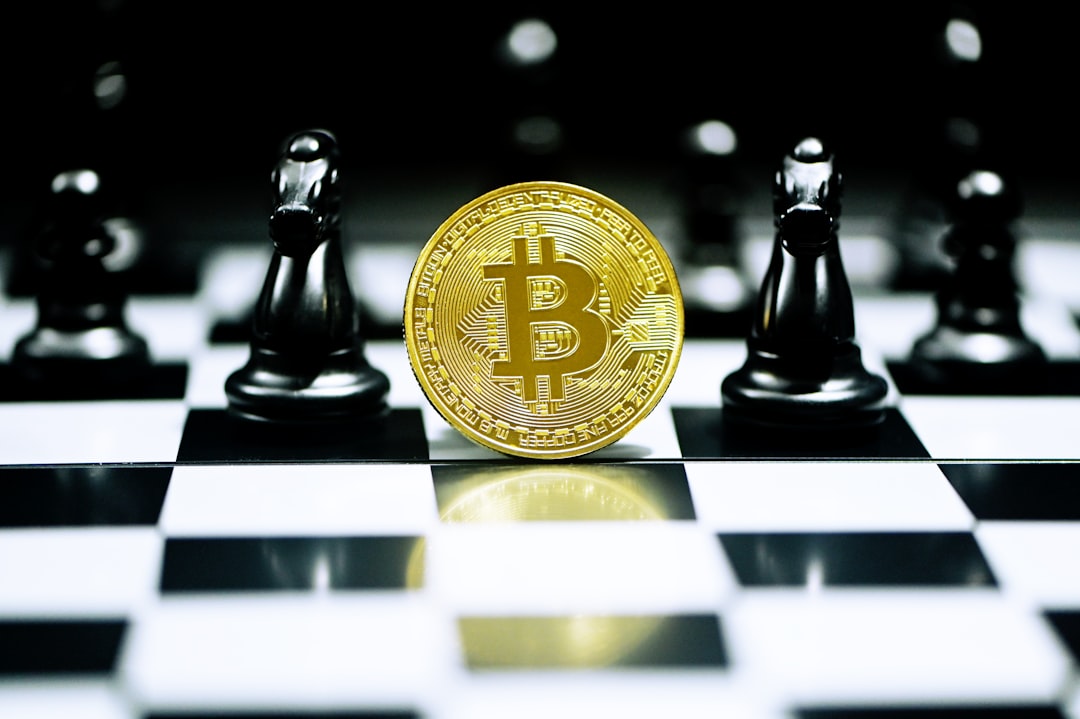
Photo by Kanchanara on Unsplash
Last Tuesday, I watched a Bitcoin whale—someone holding between 1,000 and 10,000 BTC—quietly move $47 million worth of Bitcoin from a long-dormant wallet into a major exchange cold storage facility. No announcement. No tweet. Just a transaction that most people missed entirely.
This single event encapsulates what's happening right now in crypto, and it's the opposite of what mainstream media is screaming about. While everyone's focused on the next exchange collapse or regulatory hammer blow, something far more interesting is occurring beneath the surface. The smart money isn't running scared. They're repositioning.
The Myth of Crypto Winter
When people talk about "crypto winter," they usually mean one thing: prices are down and sentiment is bleak. That's technically accurate. But it's also spectacularly misleading.
Bitcoin has spent roughly 36% of its existence in a "bear market" according to historical data. That doesn't mean development stopped. Innovation didn't freeze. Adoption actually accelerated during these periods. The 2015-2016 bear market—when Bitcoin traded as low as $200—saw the emergence of everything that made crypto actually useful: Lightning Network concepts, Segregated Witness development, and the institutional infrastructure that would support the 2017 bull run.
Right now, we're in 2024. Bitcoin is trading around $42,000-$44,000, which is actually 85% above its November 2022 lows. But the narrative? Still absolutely doom-soaked. This disconnect between reality and perception is where opportunities live.
What the On-Chain Data Actually Shows
Forget what you read in headlines. Let's talk about what's measurable. Glassnode data from the past six months reveals something compelling: dormant Bitcoin wallets—addresses that haven't moved coins in 5+ years—are activating at rates we haven't seen since early 2021. Not panic selling, either. These are accumulation patterns.
Consider this specific metric: whale transaction volume (transfers over $1 million) increased 34% in Q3 2024 compared to Q2. Meanwhile, retail panic-selling indicators hit their highest levels since March 2023. That's the definition of asymmetric opportunity. Large players are buying while small players are selling. History suggests this doesn't end well for the people selling.
Stablecoin reserves on major exchanges actually peaked at $3.2 billion in early 2024 and have remained stubbornly elevated. Why does that matter? Because people with cash waiting on exchanges are preparing to deploy. That's not the behavior of someone convinced crypto is dead.
The Institutional Infrastructure Nobody Notices
Here's something that barely registers in casual crypto discourse: institutional adoption isn't slowing. It's methodically expanding.
BlackRock's Bitcoin ETF crossed $20 billion in assets under management in just nine months. Fidelity's custody solutions now serve over 15,000 institutional clients. These aren't quick-flip traders. These are organizations making multi-year bets that crypto (specifically Bitcoin) will remain a relevant asset class. You don't allocate billions to infrastructure if you think the asset is a scam.
The approval of spot Bitcoin ETFs in January 2024 was framed as "already priced in" by many analysts. But that's shortsighted. ETF approval removes a massive friction point for traditional finance. We're still in the early innings of institutional capital reallocation. When a large pension fund decides to move 1-2% of assets into Bitcoin, that's not a single transaction. That's a months-long, multi-step process. We're watching those processes unfold right now.
Meanwhile, transaction throughput improvements on Bitcoin through Layer 2 solutions and the rise of efficient protocols are quietly addressing the "Bitcoin can't scale" critique that's dogged the asset for years. The Ordinals Explosion: How Bitcoin's Forgotten Feature Became a $1 Billion Phenomenon highlighted how Bitcoin itself is enabling entirely new use cases. These developments rarely make headlines. They're not sexy. But they're foundational.
Why Timing Doesn't Matter as Much as You Think
Here's the uncomfortable truth: people who've gotten genuinely wealthy in crypto rarely did it by timing the bottom perfectly. They did it by having conviction during periods of genuine doubt, buying consistently, and holding through cycles.
Someone who purchased Bitcoin monthly at an average price of $15,000 during the 2018-2019 bear market would be sitting on roughly 6x returns right now. Not because they were geniuses. Because they didn't panic. Because the fundamentals—network security, adoption growth, developer activity—never actually broke.
The current sentiment shift toward "Bitcoin is serious" among institutional players feels different from 2017's FOMO cycle. It's more methodical. Less manic. That usually precedes sustained upside, not another crash.
The Real Question
We're not in a situation where anyone can be certain about short-term price direction. That remains genuinely unpredictable. But we're also not in a situation where the long-term thesis for Bitcoin has meaningfully deteriorated. If anything, infrastructure improvements, institutional adoption, and macro conditions (central banks starting rate cuts) are aligning favorably.
The whales aren't accumulating because they're confident about next quarter. They're accumulating because they're patient about the next 5-10 years. And patience, historically, is exactly what wins in crypto.
Comments (0)
No comments yet. Be the first to share your thoughts!
Sign in to join the conversation.