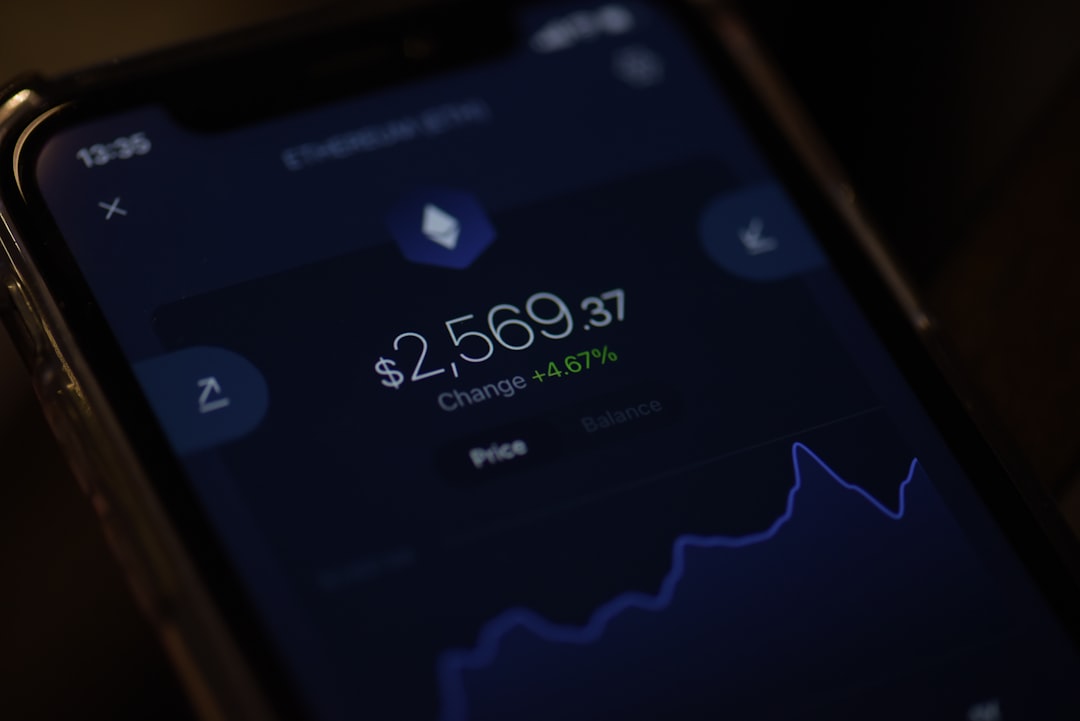
Photo by Brian J. Tromp on Unsplash
In January 2023, a developer named Casey Rodarmor quietly released something called Ordinals, and within months, it fundamentally changed how people think about Bitcoin. What started as a technical curiosity—a way to permanently inscribe data directly onto the Bitcoin blockchain—became a cultural event that reignited debates about Bitcoin's true purpose.
The numbers tell the story. By mid-2023, over 50 million inscriptions had been added to Bitcoin, consuming significant block space and generating millions in transaction fees. Digital artifacts called "Bitcoin Punks" and "Bitcoin Frogs" started selling for thousands of dollars. Suddenly, your grandmother's favorite cryptocurrency wasn't just digital gold anymore. It was becoming an art gallery.
How Ordinals Actually Work (Without the Tech Jargon)
Let's be honest: most blockchain technology explanations put people to sleep. Ordinals is different because the concept is surprisingly elegant.
Bitcoin transactions create outputs—essentially little containers of value. These outputs have a sequential number based on when they were created during a transaction. An Ordinal is simply a way of numbering these outputs and then attaching data—images, text, videos, anything really—to them.
Think of it like this: Bitcoin was always capable of carrying small amounts of data. Ordinals just found a clever way to attach larger files by using something called "inscription." You take an image file, encode it, and embed it directly into a transaction. Once it's on the blockchain, it's there forever. Immutable. Permanent. No server needed.
The breakthrough wasn't technological genius. It was simplicity. Unlike Ethereum's complex smart contracts, Ordinals didn't require new code or upgrades. Bitcoin's existing features—specifically something called SegWit (Segregated Witness from 2017)—made it possible. Nobody had really weaponized this capability before.
Why Bitcoin Maximalists Lost Their Minds (Both Ways)
When Ordinals exploded, the Bitcoin community split harder than Bitcoin itself did in 2017.
On one side, the purists. These are people who've spent years defending Bitcoin as sound money—a peer-to-peer electronic cash system, as Satoshi Nakamoto originally described it. They saw Ordinals as pollution. "We don't need NFTs on Bitcoin," they argued. "Block space is precious. Why waste it on digital art when people are trying to send actual payments?"
Fair point. Bitcoin blocks fill up quickly, and when they do, transaction fees skyrocket. During peak Ordinals activity, a simple Bitcoin transaction could cost $30, $40, sometimes more. Meanwhile, a wealthy collector was happily paying hundreds of dollars to inscribe a low-resolution JPEG frog.
But on the other side? Entrepreneurs saw gold. If Ordinals could generate that much economic activity and fees, maybe Bitcoin could actually host entire economies. Maybe the network could become more valuable precisely because people wanted to use it for things beyond payments.
This tension reveals something crucial about Bitcoin's evolution. The network wasn't designed by committee. It survives because miners have incentives to support it, and users have reasons to believe in it. Ordinals proved that Bitcoin could accommodate competing visions of its future.
The Real Impact on Bitcoin's Future
Here's what actually matters: Ordinals generated legitimate revenue for Bitcoin miners at a critical moment.
Bitcoin mining is brutally competitive. Miners invest millions in equipment and electricity to solve mathematical puzzles and earn rewards. As Bitcoin's price fluctuates and block rewards diminish over time (they're programmed to halve approximately every four years), miners need transaction fees to stay profitable. Ordinals provided those fees when the market needed them most.
In 2023, some months saw transaction fees from Ordinals contribute 50% or more of total mining revenue. That's significant. It means Bitcoin's security—which depends on miners staying economically motivated—received a boost from an unexpected source.
Beyond economics, Ordinals attracted an entirely new demographic to Bitcoin. Artists. Collectors. People who couldn't care less about monetary policy or sound money debates. This expansion is a double-edged sword, but it's real. Suddenly Bitcoin wasn't just for cypherpunks and finance bros.
What Comes Next?
The Ordinals hype has cooled since its 2023 peak. Transaction fees have moderated. The novelty has worn off. But the infrastructure remains.
Several projects have built second-layer solutions on top of Ordinals—more sophisticated ways to create, trade, and manage inscribed assets. Similar to Bitcoin's Lightning Network's approach to scalability, these layers promise to make Ordinals more practical without clogging the main chain.
The real question isn't whether Ordinals will dominate Bitcoin's future. It's whether Bitcoin will continue proving it can adapt to unexpected uses without losing its core properties. Ordinals showed that Bitcoin is more flexible than even its developers imagined.
That flexibility might be its greatest strength. Not because Bitcoin will become just another NFT platform, but because it demonstrated something profound: Bitcoin's security and immutability make it valuable for far more than just currency. Different people can use it for different purposes, and the network survives.
In the end, Casey Rodarmor didn't just create a way to store images on a blockchain. He reminded everyone that Bitcoin's true power isn't what its creators intended—it's what its community discovers it can do.
Comments (0)
No comments yet. Be the first to share your thoughts!
Sign in to join the conversation.