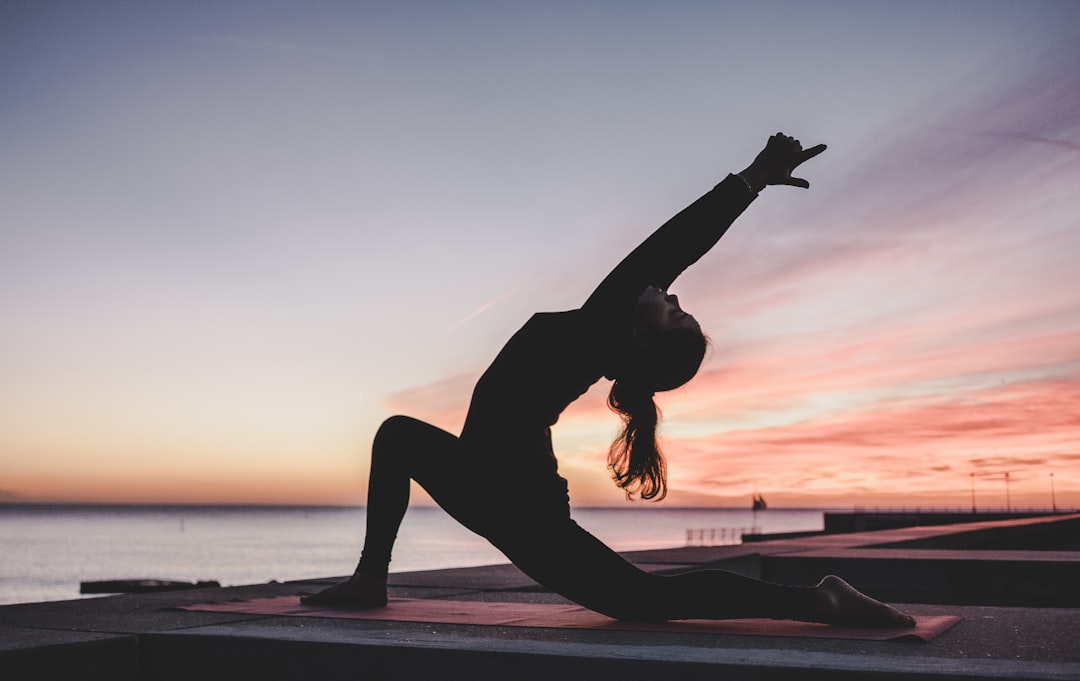
Photo by kike vega on Unsplash
Sarah sat in my office last Tuesday, shoulders hunched near her ears, describing her third panic attack that week. "I don't understand," she said. "I know logically that I'm safe. Why won't my body believe me?" I handed her a tissue and asked her a simple question: "How are you breathing right now?" She paused, took inventory, and realized she'd been holding her breath for the entire conversation. "See?" I said. "Your body is speaking a language your mind hasn't learned to interpret yet."
This moment happens hundreds of times across therapy offices, yoga studios, and meditation apps worldwide. Yet most people still treat breathing like a background process—something your body does automatically while you attend to "real" problems. The truth is far more revolutionary: your breath is a direct line to your nervous system, a biological highway you can actually drive on consciously.
How Your Breath Hijacks Your Biology
Here's the wild part about human anatomy: breathing is the only major autonomic function you can voluntarily control. Your heart beats without permission. Your stomach digests without your input. But your lungs? They wait for your command while simultaneously working on their own schedule. This dual-control system creates an extraordinary opportunity.
When you're stressed, your breathing becomes shallow and rapid—typically around 20-30 breaths per minute. Your sympathetic nervous system, that ancient fight-or-flight machinery inherited from your cave-dwelling ancestors, interprets this rapid breathing as confirmation that danger is present. So it cranks up cortisol production, tightens your muscles, and redirects blood flow away from your digestive system. Your body is essentially saying: "Got it, boss. Emergency mode activated."
But here's where it gets interesting. You can reverse this cycle by changing your breathing pattern. Slow your breath to 6-8 cycles per minute—roughly one breath every 8-10 seconds—and something remarkable happens. Your parasympathetic nervous system, the "rest and digest" side of your autonomic nervous system, starts to activate. Your vagus nerve, a long cranial nerve running from your brain down through your core, literally feels the shift in pressure and oxygen levels and signals your brain: "False alarm. We're safe now."
A 2016 study published in Frontiers in Psychology found that participants who practiced slow breathing for just 20 minutes showed measurable decreases in cortisol levels and significant improvements in mood. The change wasn't gradual. It was observable within minutes. Your biology doesn't need weeks to believe your breath. It responds immediately.
The Technique That Actually Works (No Incense Required)
Forget everything you think you know about meditation needing to happen on a mountaintop or in perfect silence. The most effective breathing technique I've encountered is embarrassingly simple: box breathing, sometimes called tactical breathing because Navy SEALs use it before high-stress situations.
Here's the protocol: Inhale for four counts. Hold for four counts. Exhale for four counts. Hold for four counts. Repeat for 5-10 cycles. That's it. You literally just did more for your nervous system than most people accomplish in a week.
The reason it works ties back to that vagal nerve. The exhalation phase—not the inhalation—is what activates the parasympathetic response. Most people focus on breathing in deeply, assuming that's where the magic happens. But you're actually calming down on the way out. That's why you'll often hear meditation teachers talk about making your exhale longer than your inhale. A 4:4:4:4 ratio is balanced, but advanced practitioners often do 4:4:4:8, giving that exhale extra emphasis.
I had a client, Marcus, who used to have panic attacks while driving. He'd feel his chest tighten, his mind would spiral into catastrophic thinking, and he'd white-knuckle the steering wheel. We started with box breathing at red lights. Within two weeks, he reported that the moment he felt tension beginning, he'd instinctively shift into the 4:4:4:4 pattern. His body stopped escalating because the breathing interrupted the feedback loop. His mind was waiting for permission from his physiology, and the breathing gave it.
Why You've Probably Been Doing It Wrong
There's a persistent myth that deep breathing means big breathing. You know the type—that dramatic, exaggerated inhale that puffs your chest out and sucks in your stomach. Ironically, that's often counterproductive. When you breathe this way, you're using your chest muscles (accessory breathing) rather than your primary breathing muscle, the diaphragm.
Diaphragmatic breathing, sometimes called belly breathing, is radically different. When you breathe this way, your belly expands on the inhale and contracts on the exhale. Your chest stays relatively still. This might feel awkward at first, especially if you've been a chest-breather for decades. But this is the breathing pattern that actually activates your parasympathetic nervous system efficiently.
To find your diaphragm, lie on your back and put one hand on your chest and one on your belly. Breathe naturally and notice which hand moves first and most. If your chest hand moves more, you're primarily chest breathing. Now try this: as you inhale, imagine drawing air down into your belly, like you're filling a balloon. Your belly hand should rise while your chest hand stays relatively still. This slight shift in breathing mechanics changes everything about how your body responds to stress.
Beyond the Crisis: Building Respiratory Resilience
Box breathing is your emergency kit, useful when you're in active distress. But there's another layer of this work that happens in the quiet moments. Regular breathwork practice, even just five minutes daily, actually reshapes your nervous system's baseline sensitivity.
Research from Stanford University found that a specific cluster of neurons in the brain stem controls breathing and is directly connected to your arousal state. When you practice slow, conscious breathing regularly, you're essentially training these neurons to keep your system more relaxed at rest. It's like updating your body's default settings.
People who meditate consistently show different patterns on stress tests than control groups. They still experience stress—that's not the goal—but their bodies recover faster and don't escalate as severely. They've built respiratory resilience. If you're interested in the science of how chronic patterns affect your systems, check out our article on why your sleep schedule is sabotaging your immune system (and how to fix it), which explores similar nervous system connections.
Starting Your Practice Today
You don't need apps or classes or special training. You need two minutes and your own lungs. Pick a time—morning coffee, lunch break, before bed—and do five cycles of box breathing. Notice what happens. Most people report feeling noticeably calmer. Some feel subtle. A few feel almost nothing the first time because they've been ignoring their nervous system signals for so long.
The magic of breathwork isn't that it's complicated or exclusive. It's that it's always available, instantaneous, and backed by your own biology. Your body is waiting for you to speak its language. Turns out, that language is breath.
Comments (0)
No comments yet. Be the first to share your thoughts!
Sign in to join the conversation.