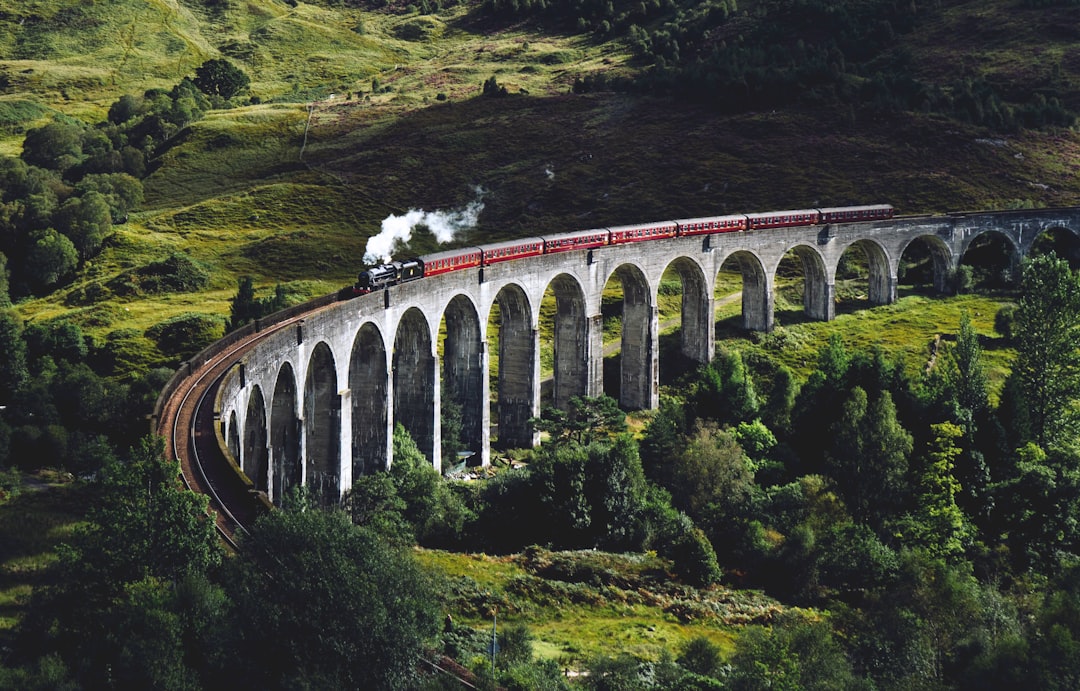
Photo by Jack Anstey on Unsplash
There's a train station in rural Wakayama Prefecture with exactly three passengers per day. I know this because I was one of them, standing alone on a wooden platform surrounded by rice paddies, watching a two-car train pull up at 2:47 PM like clockwork. The conductor, a man who'd been doing this route for thirty-two years, gave me a small wave. Not the obligatory nod you get at Tokyo Station. A genuine, curious wave.
This is what Japan's smallest train stations feel like—places where modern travel infrastructure meets communities so small they're practically off the map. And they're becoming an unlikely obsession for travelers tired of the Instagram-famous circuits.
The Stations That Time Forgot (But Japan Didn't)
Japan's railway system is famous for its efficiency, precision, and the yakitori stands inside major terminals. What's less known is that JR and private railways still operate hundreds of stations in rural areas, many serving fewer than fifty daily passengers. Some have no staff. Many have no automated machines. A few exist primarily because shutting them down would strand an elderly population with no other transport.
Take Kami-Imaichi Station in Chiba Prefecture. It's staffed during business hours by a single employee who also manages the adjacent shop. Or Tsuchiyama Station on the Tokaido Shinkansen line—yes, the bullet train line—where you can walk from one end of the platform to the other in about twenty seconds. The station opened in 1888 and looks like it's been dressed in the same architectural style ever since.
The smallest stations often have a particular aesthetic quality. Weathered wood. Hand-painted signs. A waiting room with perhaps six plastic chairs and a space heater that probably shouldn't be left on overnight. Some have flowers planted by volunteers. Others have fallen into such disrepair they seem like they're actively staging a return to nature. It's melancholic in the most beautiful way.
Why These Places Matter (And Why They're Disappearing)
Japan's rural populations are aging and shrinking. The demographic crisis is real—villages are losing entire generations to Tokyo and Osaka. When fewer people use a station, railways lose money. When they lose too much money, the logical business decision is to close the station.
But here's where things get complicated. Closing a station doesn't just affect commuters. It changes the economics of an entire region. It makes rural living less viable. It accelerates the exodus. Several small towns in Hokkaido have literally depended on their stations as anchors for local commerce and community identity.
So some stations persist through a combination of stubbornness, community activism, and what might charitably be called "cultural subsidization." The trains still stop. The conductors still wave. And occasionally, a foreigner shows up with a camera and a curiosity that's usually reserved for the Fushimi Inari Shrine.
How to Actually Visit These Places Without Being A Tourist Parasite
Here's the thing: if you go to these stations, you need to respect what you're looking at. These aren't attractions. They're functional parts of people's lives.
Start with the Midnight Train Phenomenon article on night trains, which explores how smaller rail systems are adapting to modern travel. Then consider visiting stations in regions you're already traveling to—not as a detour specifically to photograph decaying infrastructure, but as part of understanding how people actually live in Japan outside major cities.
Buy something at the station shop, if there is one. Chat with the station employee, if they're there. Take the train somewhere, don't just stand on the platform filming for TikTok. Many of these small stations have local restaurants or onsen within walking distance that serve people from the community. That's where the real experience is anyway.
Respect photography rules. Some stations are privately owned and don't want pictures. Others genuinely don't care. Ask. It takes five seconds and it's the baseline of being a decent human.
The Stations Worth The Effort
Tateba Station in Okayama has no staff and no facilities—just a wooden shelter and a crossing. It's quietly beautiful in a way that makes you understand why someone might fight to keep it open.
Shimonada Station in Wakayama appears to float above the Seto Inland Sea. The platform extends out over the water, and arriving by train genuinely feels like you're pulling into a place that shouldn't exist.
Oigawa Railway's Sumatakyo Station has been run by volunteers since 2010. The volunteers actually outnumber the daily passengers most days, but they show up anyway because they believe the station matters.
What these places have in common is that they've survived not because they're convenient, but because communities decided they were worth saving. And visiting them—genuinely visiting, not just photographing—is a way of saying you agree.
Why This Matters
Travel has become increasingly homogenized. There are only so many temples you can visit, only so many gardens you can photograph, before the experience becomes abstracted from the actual place. Small train stations force you to slow down. They introduce randomness into your itinerary. They require you to actually interact with local systems instead of consuming pre-packaged experiences.
A conductor waving at you on an empty platform isn't Instagram-worthy. It won't make sense to post. But you'll remember it, probably for the rest of your life. That's what real travel feels like.
Comments (0)
No comments yet. Be the first to share your thoughts!
Sign in to join the conversation.