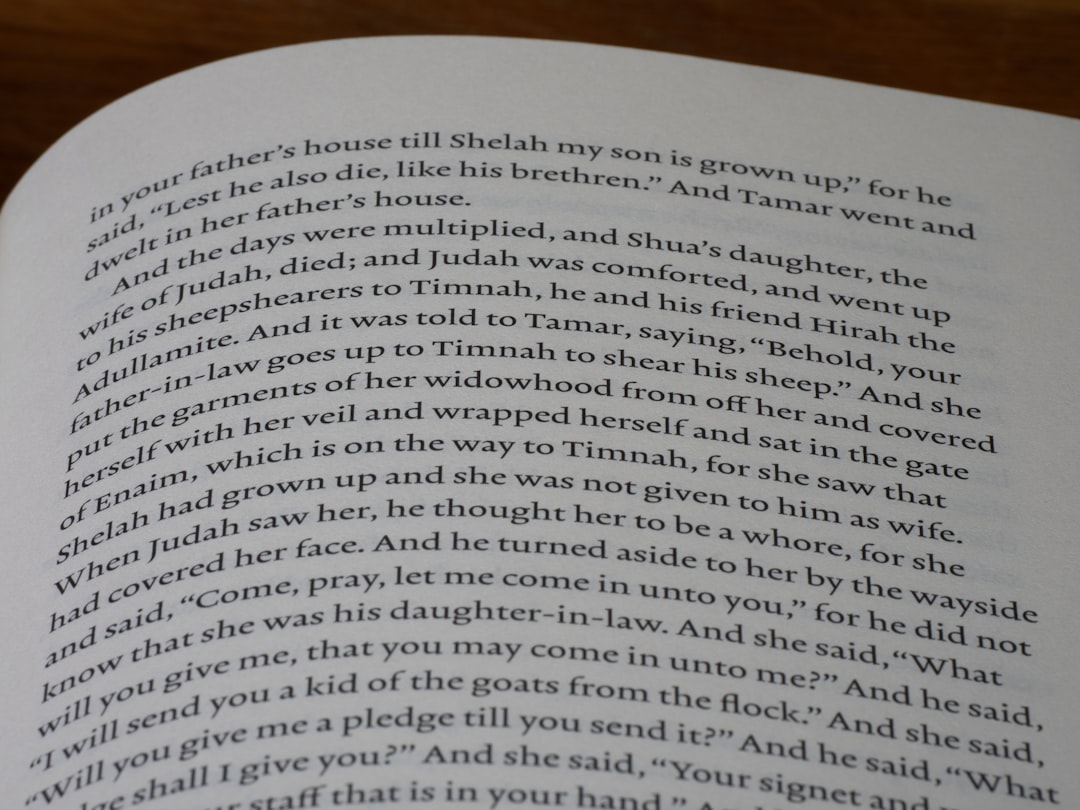
Photo by Brett Jordan on Unsplash
Margaret's basement smelled like old paper and regret. Not the crushing kind of regret, but the softer variety—the sort that comes with a heartfelt letter, a handwritten note, or a carefully worded email explaining why someone had hurt her. She'd been collecting apologies for forty-three years, ever since her husband accidentally erased her entire thesis from their first computer and scrawled an apology on the back of a grocery receipt.
That receipt started everything.
The Accidental Collection
Most people throw away apologies. They read them once, feel momentarily validated, and toss them in recycling. Margaret couldn't do that. There was something about seeing the words—especially the honest ones where someone admitted they'd messed up without making excuses—that made her feel less alone in her own failures.
The first decade, she kept everything in a shoebox under her bed. A note from her mother about that comment regarding Margaret's weight. An email from a coworker who'd taken credit for her presentation. A letter from her sister, written in shaky handwriting after years of silence, asking for forgiveness. Margaret read them obsessively, not out of bitterness, but out of fascination. She was watching people at their most vulnerable, seeing the architecture of their shame and hope simultaneously.
By her fifties, the collection had grown beyond shoeboxes. Margaret invested in filing cabinets, organizing by sender, by date, by severity of the offense. Her husband, Tom, would sometimes stand in the basement doorway and shake his head, but he never asked her to stop. He understood that this was her way of processing hurt—not as a weapon to hold over people's heads, but as evidence that people could change, could own their mistakes, could try to be better.
What The Words Revealed
It took Margaret until she was sixty-two to realize what she was actually studying. She wasn't collecting apologies at all. She was collecting moments of courage.
Most people avoided saying "I was wrong." They hedged. They softened the blow with explanations: "I was stressed," or "I didn't mean it that way," or the worst one, "I'm sorry you felt that way." Margaret had learned to spot the real ones immediately. They started with "I" and "was," not "you" and "perceived." They acknowledged specific harm. They didn't ask for instant forgiveness.
Take the apology from her neighbor, Derek, written on index cards and delivered at her front door in 2008. Derek had been the reason Margaret's dog, Sadie, had gotten loose and wandered into traffic. He'd left the fence gate open without checking, then spent three days avoiding her before writing the cards. "I did this," he'd written in careful block letters. "I was careless. Sadie deserved better from me. I'll fix the fence, but I know that doesn't fix what I did. I'm sorry."
Sadie had survived with a broken leg. Derek's apology didn't make the broken leg disappear, but Margaret kept those cards in a clear plastic sleeve. They represented something important: a person who could see beyond their own discomfort to acknowledge real harm.
As years went on, Margaret began to notice patterns. Genuine apologies arrived more frequently from people who themselves had been apologized to recently. Apologies from her children came more readily after they'd become parents. The people who apologized best were often those who'd experienced the sting of being hurt themselves.
The Unexpected Power of Words
Margaret never responded vengefully to those who apologized. Some people seemed surprised by this. They'd written their letters expecting judgment or coldness, and instead received a handwritten note back, sometimes just a few lines: "Thank you for saying that. It mattered."
She kept those responses filed too, along with the follow-up letters some people sent—amazed that she'd actually answered, that she'd actually accepted their apologies. One woman, Jennifer, who'd bullied Margaret throughout high school, sent an apology at thirty-five. Margaret invited her for coffee. They didn't become friends, but Jennifer started a support group for recovering bullies. She credited Margaret's kindness with making her believe change was possible.
This was the real discovery buried in those filing cabinets and mason jars: apologies, when genuinely given and graciously received, were like tiny acts of alchemy. They transformed relationships. Sometimes they didn't fix things completely, but they made continuation possible. They meant people could keep showing up for each other.
Tom passed away at seventy-one. In his will, he asked that Margaret donate his apologies collection to a museum of human experience—yes, he had his own, started after watching Margaret's project flourish. The museum didn't exist yet, so Margaret and her daughter started one. They called it "The Apology Archive." Like similar projects documenting the textures of real human life, it attracted people who wanted to understand how communities heal.
What We All Carry
Margaret is eighty-four now. Her hands shake when she files new apologies, which still arrive regularly. Some come from old friends seeking closure. Some come from strangers who found out about the Archive and wanted to participate. A few come from people apologizing for things that happened decades ago—finally working up the courage to say what they needed to say.
She's learned that carrying apologies doesn't mean carrying bitterness. It means understanding that people contain multitudes: they're capable of hurting you and of genuinely regretting it, sometimes in the same lifetime. It means believing in the possibility of becoming someone better than who you were.
If you've ever wondered what happened to the letters and notes you've poured your heart into writing—those desperate attempts to say "I'm sorry" to someone you hurt—consider this: someone might be keeping them. Not as evidence against you, but as proof that you tried. That you cared enough to face the discomfort. That you understood the difference between the person you were and the person you want to become.
For more stories about the power of written words and second chances, check out "The Mailbox at the End of Maple Street," which explores how messages meant for the past sometimes find their way to unexpected futures.
Comments (0)
No comments yet. Be the first to share your thoughts!
Sign in to join the conversation.