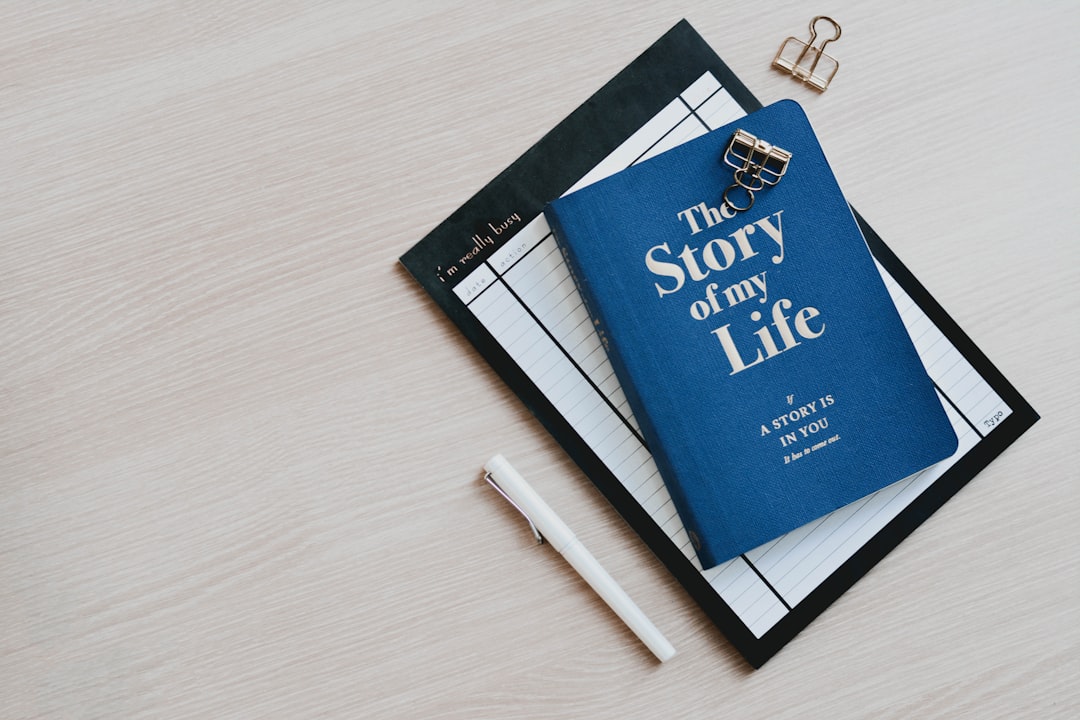
Photo by Content Pixie on Unsplash
Margaret's wooden box sat on the highest shelf of her bedroom closet, hidden behind a stack of winter sweaters no one had worn since the 1990s. Inside were 247 letters, each one carefully folded and sealed, each one addressed to someone she'd wronged. Some envelopes had yellowed to the color of old teeth. Others were crisp and recent, written just last month in her shaky, arthritic handwriting.
She'd never sent a single one.
The First Letter, 1982
The first letter was the hardest to write, which is probably why Margaret kept it at the bottom of the pile, where she didn't have to look at it. It was addressed to her sister Claire, written on a Tuesday evening after Margaret had done something unforgivable at Claire's wedding rehearsal dinner. The specifics don't matter much—cold words, a slapped face, family members pretending not to notice. What mattered was that Margaret couldn't take it back.
She'd tried apologizing in person. Claire had waved her off with a tight smile and changed the subject. Margaret could feel the apology still sitting between them, heavy and unresolved, like furniture rearranged in the wrong way.
So Margaret bought a box from an antique shop downtown. Walnut, with brass hinges. She wrote her first letter that same evening, pouring out everything—not just an apology, but an explanation, a vulnerability, a desperate attempt to make her sister understand why she'd been so cruel. It took three hours. Her hand cramped. When she finished, she sealed it in an envelope, addressed it in careful script, and placed it in the box.
Then she locked the box and put it away.
A Growing Collection
Over the next four decades, Margaret added to her collection with the dedication of a monk illuminating manuscripts. A letter to her college roommate about the time she'd stolen her boyfriend. A letter to her boss about the mistake she'd covered up instead of confessing. A letter to the grocery store cashier about the time she'd snapped at her over a simple question. Even a letter to her own mother, written five years after her mother had died, full of things she wished she'd said when there was still time.
Some were written in anger and revised three times over. Others spilled out in a single sitting, tears dotting the pages and making the ink run. A few were practical apologies for forgotten birthdays and missed phone calls. Many were for bigger things—lies told, trust broken, love withheld.
Margaret never told anyone about the box. Not her husband of thirty-eight years, not her therapist (who she'd seen for six months in the 1990s), not her daughter who worked as a conflict resolution specialist and probably would have had thoughts about Margaret's unusual coping mechanism.
The act of writing was somehow enough. The apology didn't need to be received to be real. It existed in the space between her heart and her hand, crystallized on paper, locked away safely. Sometimes she wondered if she was being noble—finally taking responsibility—or if she was being a coward, apologizing only to an audience of no one.
The Letter That Changed Everything
Margaret turned seventy-three on a Tuesday. Her daughter brought a cake. Her grandchildren called from three states away. Her husband gave her a book she'd been wanting. It was a nice day, the kind of day that feels like a full stop.
That night, Margaret couldn't sleep. She went to her closet at 2 a.m. and pulled down the box. She had no plan. She wasn't sure why she was doing it. But she sat on her bedroom floor in her nightgown and opened the lid.
The first letter was still there. Twenty-three years old now. She opened it carefully, unfolding the pages she'd written in 1982, and read her own handwriting about her sister. Claire had passed away six years ago. The apology was permanently unmailable.
And yet, reading it again, Margaret realized something unexpected. The act of writing that letter had changed her. In articulating what she'd done wrong, she'd become someone capable of understanding it. In admitting her cruelty, she'd become less cruel. In the forty years since she'd written that letter, she'd been different with people—more careful, more aware, more gentle.
The apologies had never reached their destinations, but they'd reached Margaret. They'd changed the person she'd become.
She pulled out another letter at random. To her husband, written fifteen years ago about something she'd done that he never knew about. She'd apologized for it internally, in this box, and had treated him better because of it ever since. Did it matter that he'd never read these words? She'd meant them. She'd learned from them.
What We Keep When We Let Go
Margaret spent the rest of that night going through the box. Letter by letter, memory by memory. Some made her cringe. Some made her cry. By dawn, she'd read approximately 180 of them—she couldn't finish them all, not in one night.
As the sun came up, she made a decision. She wouldn't mail the letters. She wouldn't burn them either, which is what she'd sometimes imagined doing. Instead, she'd keep the box exactly as it was. A record of her attempts at decency. A monument to the effort it takes to be better.
But she did something different with the last letter she'd written, the recent one. She took it downstairs and showed it to her husband. Not the letter itself—she kept the envelope—but she told him what it was about. The thing she'd been carrying. The apology she'd been rehearsing in the dark.
He listened. He forgave her. And it wasn't transformative—it wasn't a miracle. But it was real in a way the box had never been.
Margaret realized that the box had served its purpose. It had been a training ground for becoming the kind of person who could finally say these things out loud. Perhaps that's what apologies really are—not letters sent to others, but letters we write until we become the people capable of meaning them when they're finally spoken.
She still has the box. It still sits on her shelf. But now it's not a hiding place. It's a reminder. And sometimes, when she's struggling with someone, she climbs up there and remembers: you've been worse. You've gotten better. Keep trying. If you want to understand the power of small acts and how they ripple outward, you might appreciate The Librarian's Last Favor: How One Person's Small Act Became a Town's Biggest Secret—a story about transformation through quiet, persistent kindness.
Comments (0)
No comments yet. Be the first to share your thoughts!
Sign in to join the conversation.