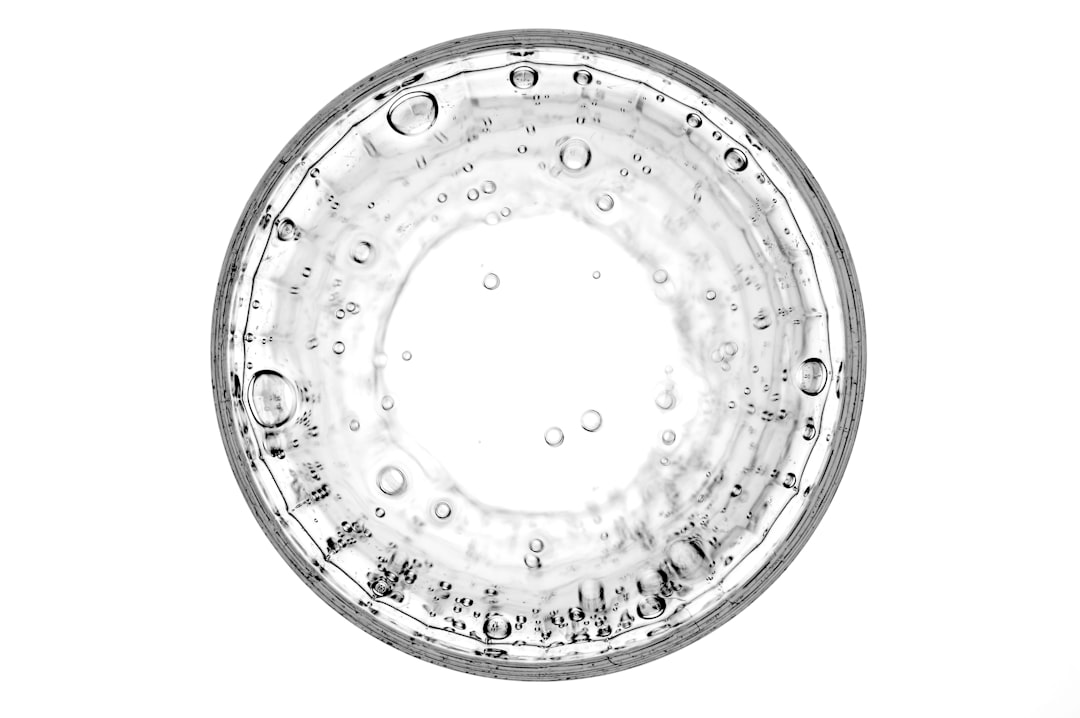
Photo by Karim Ghantous on Unsplash
My grandmother could always tell when rain was coming. Not from checking her phone or reading the sky, but from something she described as a "fresh, almost electric" smell in the air. She'd announce it while hanging laundry, and sure enough, the storm would roll in within hours. For years, I assumed this was folklore—the kind of folk wisdom passed down through generations without real scientific backing. Then I started reading the research, and I realized something genuinely strange is happening with how some people perceive approaching precipitation.
The Smell That Shows Up Before the Storm
That distinctive scent associated with rain has a name: petrichor. First identified and named in 1964 by Australian scientists Isabel Joy Bear and Richard G. Thomas, petrichor is created by a compound called geosmin, which is released by soil bacteria called actinomycetes. When these bacteria die, they release geosmin into the air and soil. But here's where it gets interesting—rain doesn't actually create this smell. Instead, falling raindrops break up soil particles and release geosmin that's already been sitting in the earth. The scent is ancient, literally, with geosmin being produced for millions of years.
What scientists discovered is that some people can smell geosmin at incredibly low concentrations. We're talking parts per trillion. To put that in perspective, that's like detecting a single drop of liquid in an Olympic swimming pool. British researchers found that some individuals can detect geosmin at concentrations as low as 5 parts per trillion—far below what even trained scientists initially thought was possible. Most people smell it at around 50 parts per billion, which is still remarkable, but some humans have a sensitivity that's roughly 10,000 times more acute.
The Evolutionary Mystery That Remains Unsolved
Here's where things get genuinely puzzling. Why would humans evolve such a sensitive nose for rain? What survival advantage does detecting petrichor provide? For years, researchers scratched their heads over this question. The leading theory involved water conservation—the idea being that our ancestors could prepare for rain by finding fresh water sources before storms arrived. But this theory has issues. Rain announces itself in many other ways: wind patterns shift, atmospheric pressure changes, and the sky darkens. A pre-storm smell seems redundant.
Some scientists now suspect the connection isn't evolutionary at all, but rather incidental. They point out that our olfactory sensitivity to geosmin might be a byproduct of other evolutionary pressures. After all, geosmin is produced in soil and water environments where fresh water sources exist. Early humans who could detect geosmin might have been better at locating water—not specifically rainwater, but groundwater and streams where this compound naturally accumulated. Natural selection might have favored that ability, and the rain-detection superpower was just a bonus side effect.
Another intriguing possibility emerged from research on schizophrenia patients. Genetic studies found that the same genes influencing geosmin sensitivity also affect how the brain processes certain neural signals. Some researchers wonder if heightened petrichor detection is connected to broader neurological differences in how certain people process olfactory information. The connections remain unclear, but the questions are fascinating.
Why Most of Us Can Still Smell It, Even If Faintly
Even people without superhuman olfactory powers can typically detect geosmin. Most humans have a functional ability to smell rain approaching—we're just not as sharp as the super-smellers. This widespread ability suggests something deeper is at play. Recent neurological imaging shows that when people smell petrichor, multiple brain regions light up simultaneously: not just the olfactory cortex, but also areas associated with memory, emotion, and prediction.
This might explain why the rain smell feels so emotionally evocative. Researchers from MIT found that our brains process rain-related odors differently than other scents. There's an anticipatory component—our brains aren't just detecting the smell, they're subconsciously predicting what's coming next. It's almost like your brain is running a weather forecast based on a single odor cue.
The ability varies based on genetics, age, and even gender. Interestingly, women tend to score higher on geosmin detection tests than men, though scientists aren't certain why. Some research suggests hormonal variations might play a role, while other studies point toward different patterns of brain development. Age also matters—people in their 30s and 40s often have the sharpest rain-detection abilities, while both younger and older people typically show reduced sensitivity.
The Practical Applications We Never Expected
Beyond satisfying scientific curiosity, understanding geosmin detection has actual applications. Researchers are exploring whether geosmin sensitivity could help predict severe weather patterns or identify contaminated water supplies. Some water treatment facilities have started investigating whether people with heightened geosmin sensitivity could help detect certain types of bacterial contamination that chemical tests sometimes miss.
There's also intriguing work happening around perfume and artificial scent design. Several luxury fragrance companies have started engineering geosmin into their products, capturing that pre-rain freshness in a bottle. It's become one of the fastest-growing fragrance trends, with companies like Petrichor Perfume and various high-end brands racing to synthesize and bottle that exact smell our ancestors evolved to detect.
The next time you smell rain coming, you're experiencing something genuinely remarkable—a sensory ability that's still not fully understood by the scientists studying it. Your grandmother wasn't relying on folklore or lucky guessing. She was tapping into a real, measurable biological phenomenon that our species has been fine-tuning for millennia. And if you're one of those people who can smell the rain hours before it falls? You're experiencing a genetic gift that remains one of science's most baffling mysteries. Though if you want another mystery, consider how your circadian rhythms are being constantly disrupted—a problem our ancestors definitely never had to worry about.
Comments (0)
No comments yet. Be the first to share your thoughts!
Sign in to join the conversation.