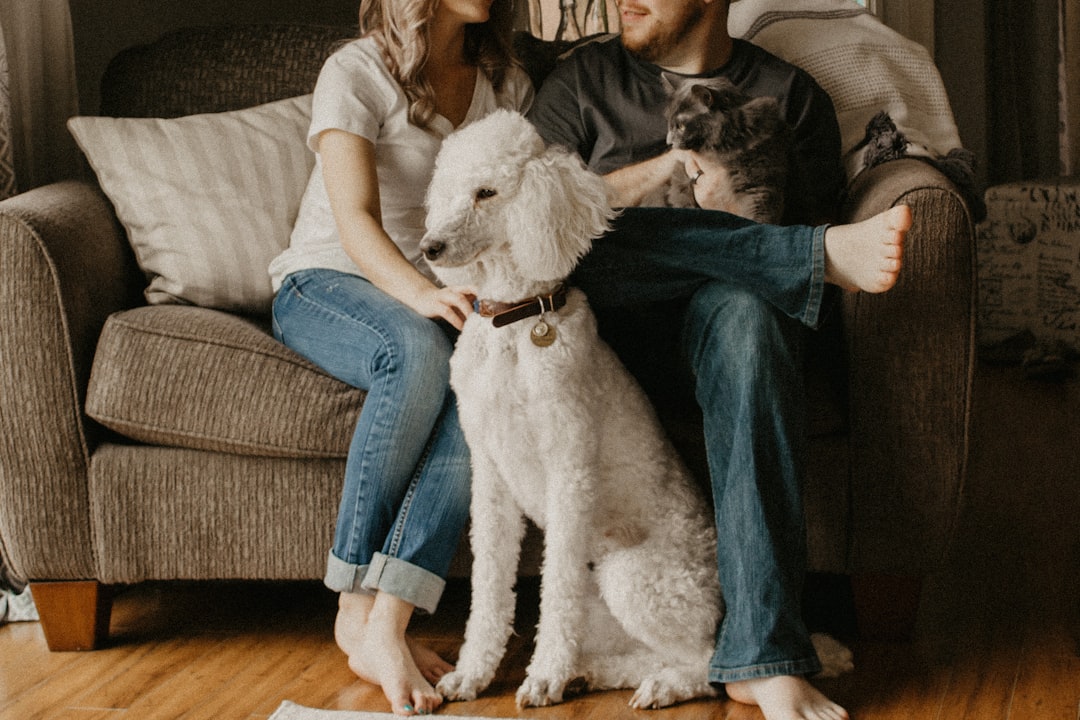
Photo by sarandy westfall on Unsplash
My neighbor's golden retriever, Max, used to be the kind of dog who'd go absolutely bonkers at the sight of a leash. He'd spin in circles, whine, and practically vibrate with excitement. But when I saw Max last month at age 14, he was snoozing on the porch in the afternoon sun. His owner, Susan, seemed worried. "He barely moves anymore," she told me. "Is something wrong with him?"
This is the question I hear from almost every dog owner once their pup hits their senior years. And I get it—when a dog who once had the energy of a tornado suddenly becomes content to sleep through most of the day, it feels wrong somehow. But here's what most veterinarians will tell you: it's actually pretty normal.
The Science Behind Senior Dog Sleepiness
Dogs are actually sleeping a lot more than you probably realize, even when they're young. Research suggests that adult dogs sleep between 12 to 14 hours per day on average. But senior dogs? They can easily clock 16 to 18 hours of sleep daily. That's not laziness—that's biology.
As dogs age, their metabolism slows down, their joints become stiffer, and their energy levels naturally decline. Their brains also change. The same cognitive decline humans experience as they age happens to dogs too. They get tired more easily, both physically and mentally. A short walk that used to be a warm-up now feels like a full day's activity.
There's also the matter of nighttime sleep disruption. Older dogs often experience canine cognitive dysfunction (similar to dementia in humans), which can cause confusion, anxiety, and disrupted sleep at night. So while it looks like your dog is sleeping all day, they might actually be catching up on broken nighttime rest. It's exhausting to be confused and disoriented, even if you're doing it while lying down.
Temperature sensitivity increases with age too. Senior dogs gravitate toward warm spots—sunny patches on the floor, soft blankets, heated beds—and they stay there for hours because movement requires energy they'd rather conserve. It's an efficient survival mechanism, really.
When Sleeping Becomes a Red Flag
Now, before you get too comfortable thinking your dog's excessive sleeping is just part of aging, let's talk about when you should actually be concerned. Increased sleeping alone isn't the problem—it's what comes with it that matters.
Pay attention to these warning signs: if your dog stops eating or shows a significant decrease in appetite, if they're sleeping AND limping or showing signs of pain, if they're not responsive when you call them or seem confused about their surroundings, or if they're having accidents in the house when they were previously housetrained—these are reasons to call your vet. A dog sleeping more is normal. A dog sleeping more AND displaying other symptoms might indicate thyroid problems, arthritis pain, urinary tract infections, or other treatable conditions.
I learned this the hard way with my own dog, Biscuit. When he hit 11 years old, he started sleeping more, which seemed fine. But about two months in, I noticed he'd stopped greeting me at the door when I came home from work. That change in behavior combined with the increased sleeping turned out to be hypothyroidism—totally treatable with medication. Once we got his thyroid levels right, he wasn't bouncing off the walls again, but he became more responsive and engaged.
The key is knowing your individual dog. Some changes are normal; others signal that something needs attention. Keep track of patterns and don't hesitate to mention them at your dog's checkup.
Making Your Senior Dog's Rest Comfortable
If your vet has confirmed your dog's excessive sleeping is just part of normal aging, your job becomes about making those sleeping hours as comfortable as possible.
Invest in a quality orthopedic dog bed. This isn't just about comfort—it's about joint support. Senior dogs with arthritis (and most senior dogs have at least some arthritis) benefit enormously from beds that provide proper support. Memory foam beds that conform to their body are worth every penny. I spent about $150 on an orthopedic bed for Biscuit, and he immediately started using it instead of the hardwood floor where he'd been choosing to sleep.
Create multiple sleeping stations throughout your home. Don't force your senior dog to walk to one corner of the house to sleep. Have a bed in the living room, your bedroom, and any other room where your dog spends time. Minimize the walking required to get comfortable.
Keep them warm. Older dogs don't regulate their body temperature as efficiently. A heated bed pad (the pet-safe kind with automatic shut-off) or even a soft blanket over their regular bed can make a huge difference. Many senior dogs appreciate a sweater or coat when they're outside, even if they never needed one when they were younger.
Maintain gentle activity. While your dog sleeps more, they still need some movement to maintain muscle tone and keep their mind stimulated. Short, slow walks with lots of sniffing breaks are perfect. Swimming or hydrotherapy is excellent for senior dogs with arthritis because water supports their joints while they move.
The Gift of a Slower Life
Here's something I didn't expect when my dogs got older: I actually started enjoying their slower pace. Biscuit's newfound love of lounging gave me permission to slow down too. Those afternoons when he'd sleep on his bed while I worked from home were somehow restorative for both of us.
Your senior dog's increased sleeping isn't them checking out. It's their way of adapting to a body that doesn't work like it used to. It's nothing to fear unless other symptoms develop. Love them through this phase, keep them comfortable, and cherish the fact that you get to have them around long enough for gray whiskers to show.
If you're dealing with other behavior changes in your aging dog and wondering what's normal, check out our guide on understanding your dog's stress responses—anxiety and behavioral shifts can happen at any age, and recognizing them is key to helping your pup feel their best.
Comments (0)
No comments yet. Be the first to share your thoughts!
Sign in to join the conversation.