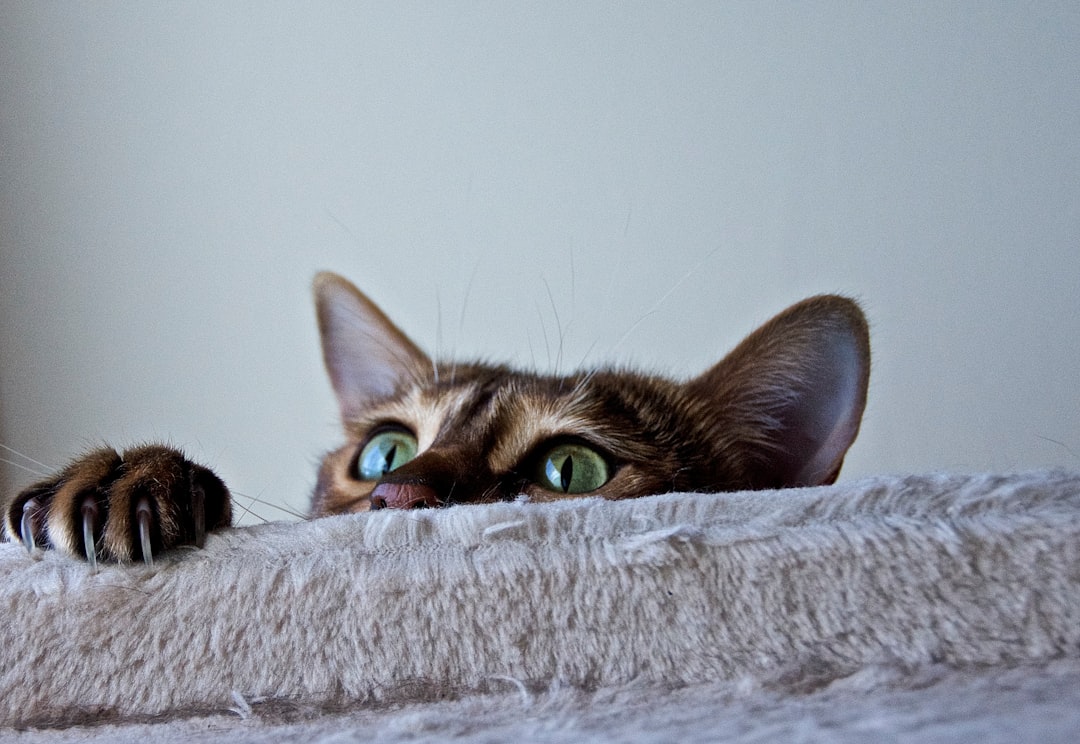
Photo by Chris Smith on Unsplash
My guinea pig, Mr. Whiskers, had a morning routine that baffled me for months. Every single day at 7 AM, he'd let out this ear-piercing squeak that sounded less like affection and more like a tiny alarm system malfunctioning. I'd rush over thinking something was wrong—checking his cage, his water bottle, his food supply. Nothing seemed amiss. Then one Saturday morning, I stayed in bed and just listened. The squeaking started anyway. Then I realized: he wasn't in distress. He was calling me to breakfast.
This moment changed everything about how I understood my guinea pig. What I'd dismissed as random noise turned out to be a sophisticated communication system. Guinea pigs aren't the silent, docile creatures most people assume they are. They're actually quite vocal, and they have a lot to say—if you know how to listen.
The Guinea Pig Sound Dictionary
Guinea pigs produce at least eleven distinct vocalizations, each with its own meaning. Understanding these sounds transforms you from a confused pet owner into someone who can actually comprehend what's happening in your guinea pig's head.
The "wheeking" sound—that urgent, repetitive squeaking I mentioned—is probably the most famous. It's typically a call for food or attention, and it can reach volumes that seem physically impossible for such a small creature. A study by the Journal of Exotic Pet Medicine found that guinea pigs wheek most frequently during feeding times, with some animals producing up to fifteen consecutive squeaks. If your guinea pig greets you with enthusiastic wheeking when you open the fridge, congratulations: they're not being rude. They're just reminding you they exist and have opinions about your snack choices.
Then there's the "chirping" sound—a quieter, almost bird-like noise that guinea pigs make when they're content or curious. I hear Mr. Whiskers making this sound when he's exploring a new toy or munching on particularly delicious timothy hay. It's their version of humming while you work.
Purring is perhaps the most confusing vocalization because it sounds identical to cat purring, but it doesn't always mean the same thing. Guinea pigs do purr when they're relaxed and happy, but they also purr when they're nervous or uncomfortable—sometimes as a self-soothing mechanism. Context matters enormously. A relaxed guinea pig lounging in your lap while purring is content. A guinea pig purring while trembling or hiding is probably stressed.
Less pleasant sounds include "chattering," where guinea pigs rapidly click their teeth together. This is a sign of frustration or aggression—think of it as their version of growling. If you hear this, give your guinea pig some space. They're telling you they're annoyed and need alone time.
Why Guinea Pigs Are Actually Talking to You
Guinea pigs are social animals that live in herds in the wild. Their elaborate vocalization system evolved because they needed to communicate constantly within these groups—to signal danger, share information about food sources, and maintain social bonds. When you bring a guinea pig into your home, they don't suddenly switch off this deeply ingrained behavior. Instead, they start applying these vocalizations to their relationship with you.
Research from the University of São Paulo showed that guinea pigs can even distinguish between different types of human vocalizations and will respond differently depending on whether you're using a friendly versus neutral tone of voice. Your guinea pig isn't just making noise randomly—they're trying to have a conversation with you.
This explains why your guinea pig might wheek more enthusiastically when you're home versus when you're away, or why they'll produce different sounds depending on who's approaching their cage. They're literally adjusting their communication based on who they're talking to.
Learning to Respond (Yes, It Matters)
Here's something most guinea pig owners never discover: your guinea pigs notice when you respond to their vocalizations, and it encourages them to communicate more frequently. This isn't manipulation—it's just how social animals work.
When Mr. Whiskers wheeked at breakfast time and I started responding by talking back to him while I prepared his food, something shifted. He began wheeking more frequently, but not out of annoyance. He was engaging with me more deliberately. He'd wheek, I'd respond, and we'd established a little routine together. It felt less like managing a pet and more like having a conversation partner who happened to be a small, furry rodent.
You don't have to use words when you respond. Many guinea pig owners find that matching their guinea pig's energy—wheeking back or making similar sounds—strengthens the bond. Others prefer verbal responses. The key is consistency and attention. When your guinea pig vocalizes, acknowledge them. They'll recognize that you're listening and will likely communicate more openly.
When Squeaking Signals a Problem
Not all vocalizations are cute or endearing. Sometimes they're warning signs. Excessive or unusual squeaking, especially if it's accompanied by changes in behavior, appetite, or cage habits, can indicate illness or distress.
Respiratory infections, dental problems, and urinary tract infections are surprisingly common in guinea pigs, and they often announce themselves through increased vocalization. If your normally quiet guinea pig suddenly becomes chatty, or if your typically vocal guinea pig goes silent, that's worth investigating with a veterinarian who specializes in small animals.
Similarly, if you notice aggressive chattering accompanied by physical aggression toward cage mates, you might be dealing with a dominance issue or incompatibility between guinea pigs—another situation where professional guidance helps.
The Long Game of Guinea Pig Communication
Understanding your guinea pig's vocalizations takes time. It's not something that happens overnight. But it transforms your relationship from functional coexistence into genuine connection. You start to recognize your guinea pig's personality through their unique sound patterns and communication preferences. Just like cats have distinct communication styles, so do guinea pigs—and they're just as worth learning.
Mr. Whiskers has been my guinea pig for three years now, and I can tell his wheeking apart from my neighbor's guinea pig's wheeks. I know when he's genuinely hungry versus when he's just saying hello. I recognize his excited chirp when he sees me approaching with fresh vegetables. These are small things, maybe even silly things, but they've deepened my appreciation for this small creature who shares my space.
Your guinea pig has been trying to talk to you all along. They're just waiting for you to finally listen.
Comments (0)
No comments yet. Be the first to share your thoughts!
Sign in to join the conversation.