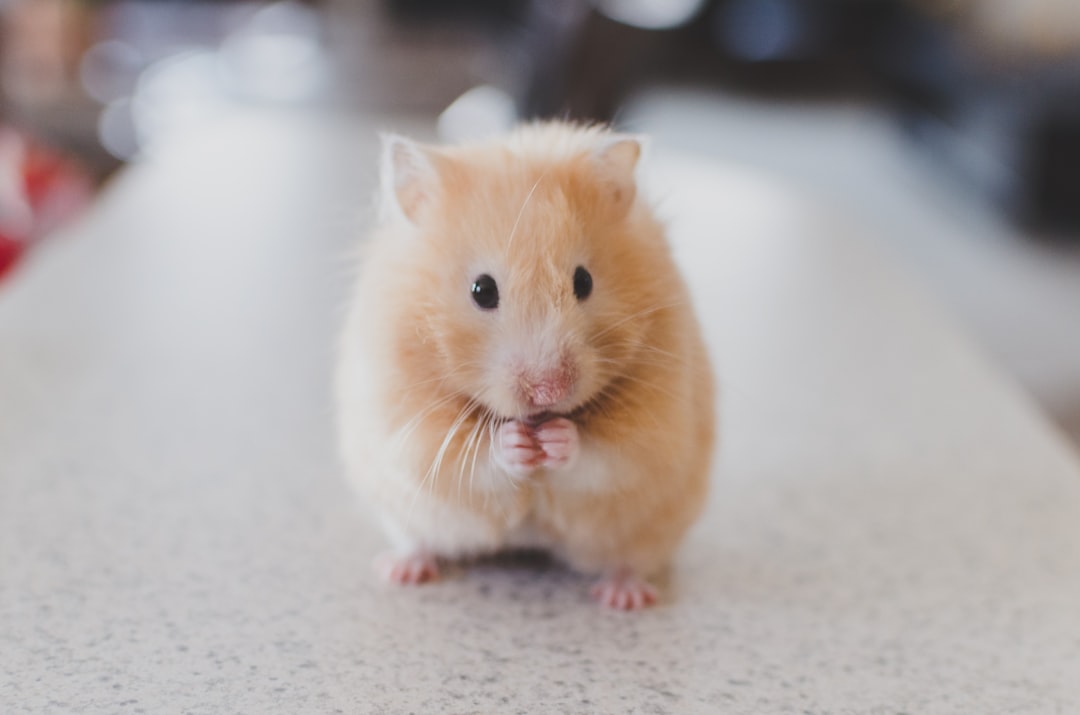
Photo by Ricky Kharawala on Unsplash
If you've ever owned a guinea pig, you know the sound. That sudden, high-pitched squeal that cuts through your living room like a tiny furry alarm system. Your first instinct might be to panic. Is your guinea pig hurt? Scared? Furious that you forgot to refill the water bowl?
The reality is much more interesting—and honestly, kind of adorable.
Guinea pigs are surprisingly vocal creatures, and those screams you're hearing aren't random noise or signs of distress. They're a complex communication system that guinea pig owners have been slowly decoding for decades. Once you understand what your cavy is trying to tell you, you'll start seeing those squeals as charming conversations rather than emergency broadcasts.
The Truth Behind the Squeal
Let's start with the most common scream: the food squeal. This one's unmistakable once you've heard it a few times. Your guinea pig will emit a series of rapid, enthusiastic squeaks—almost like a tiny yell—whenever they see you coming with fresh vegetables, hear a bag of lettuce rustling in the kitchen, or even just sense that dinner time is approaching. Some guinea pig owners swear their pets can hear the refrigerator door opening from three rooms away.
I learned this firsthand when I brought my first guinea pig home six years ago. Within the first week, my neighbor knocked on my door convinced I was running some kind of exotic animal torture chamber. Turns out, Butterscotch was just very, very excited about his afternoon bell peppers.
The food squeal is what researchers call a "positive vocalisation." It's not urgent or distressed—it's your guinea pig expressing genuine excitement. Think of it as their version of running to the door when you come home from work. Some guinea pigs are louder about it than others. I've known some who would orchestrate an entire symphony just for a single carrot slice, while others were relatively quiet about their culinary joy.
The Social Squeaks You Might Be Missing
Beyond the food screams, guinea pigs use quieter vocalizations for social bonding. These are the softer chirps and purrs you'll hear when they're feeling content, grooming themselves, or interacting with cage mates. If you listen closely—and yes, you'll need to really listen—you might catch your guinea pig making adorable little "wheek wheek" sounds during calm moments.
These softer sounds are where guinea pigs actually communicate with each other. When you have multiple guinea pigs in one enclosure, you'll notice they develop their own rhythm of chirps, purrs, and gentle squeaks. Some researchers believe each guinea pig might even have an individual "voice" that other cavies recognize.
The challenge for guinea pig owners is that we often only notice the loud vocalizations. The quieter sounds get drowned out by household noise, television, or the simple fact that we're not paying attention. Spend 15 minutes sitting quietly near your guinea pig's cage, and you'll be amazed at how much they actually "talk" when they think nobody's listening.
When Screaming Means Something's Actually Wrong
Now, there is such a thing as distressed squealing. Knowing the difference between happy screaming and genuine distress is crucial for any guinea pig owner.
Distressed squeals typically sound different—they're more frantic, higher-pitched, and often paired with aggressive behaviors or attempts to escape. If your guinea pig is screaming while also running around frantically, hiding, or showing signs of fear or aggression, something is legitimately wrong. This could indicate pain, fear from loud noises, or social stress if they're housed with an incompatible cage mate.
The key indicator is consistency and context. A guinea pig might scream once when startled by a loud noise—that's normal. But if they're screaming repeatedly without any obvious trigger, or if the sound seems different from their usual food-excitement squeals, it's worth a veterinary check. Guinea pigs can suffer from respiratory infections, dental problems, and other issues that cause genuine distress.
One other screaming situation worth mentioning: sexual frustration. If you're housing an unneutered male with females, you might hear some pretty intense vocalizations. This is nature's way of telling you it's time to either separate the animals or neuter your male—which, frankly, you should do anyway if you care about preventing overpopulation in your cage.
Building Your Guinea Pig Communication Skills
Learning to interpret your guinea pig's various vocalizations takes time and patience, but it's genuinely rewarding. Start by keeping a mental (or actual) log of when your guinea pig squeals. Do they happen around feeding time? During play? When you pick them up? When they see a companion?
Once you identify patterns, you'll start distinguishing between different squeal types. The excited food squeal sounds different from the "I'm bored" squeak, which sounds different from the "I'm happy and content" purr.
Environmental factors matter too. Guinea pigs who live in quiet households tend to be quieter overall, while those in busier environments might be louder. Some breeds—though there aren't actually recognized guinea pig "breeds" in the traditional sense—seem more vocal than others. It's partly personality and partly just genetic variation.
If you want to understand your guinea pig's behavior even better, check out our guide to understanding rodent vocalizations, which covers similar communication patterns across different small pets.
The Bottom Line: Your Guinea Pig Isn't Being Annoying
That constant squealing? It's not your guinea pig being difficult or demanding. It's them being themselves—social, expressive, and genuinely enthusiastic about life. They're telling you about their day, their feelings, their opinions on the quality of the current vegetable selection.
Once you stop seeing guinea pig screams as an annoyance and start seeing them as communication, everything changes. Suddenly, your little furry friend isn't just making noise—they're talking to you. And honestly, once you start listening, it's hard to imagine owning a guinea pig without this constant, squeaky commentary on their existence.
So the next time your guinea pig unleashes an ear-piercing squeal at the sight of a head of lettuce, smile. They're not being dramatic. They're just guinea pigs being guinea pigs—and that's absolutely worth celebrating, volume and all.
Comments (0)
No comments yet. Be the first to share your thoughts!
Sign in to join the conversation.